You do not need X Premium, paid ads, or a huge following to start making money on Twitter. I’ve found that X, formerly Twitter, works best as a trust machine first and a sales channel second. If people see your posts, like your thinking, and know what you offer, money can follow.
That matters in 2026 because most official creator payout programs on X are tied to paid account features, so free users need a smarter path. I focus on free methods that still work well, affiliate offers, services, digital products, sponsored posts, Tips, and live audio offers where available. Before you try any of them, check X’s creator monetization standards, and always follow FTC disclosure rules when money or affiliate links are involved.
The good news is simple: you can start with what you already know, and you can start today.
Start with a profile that makes people trust you fast
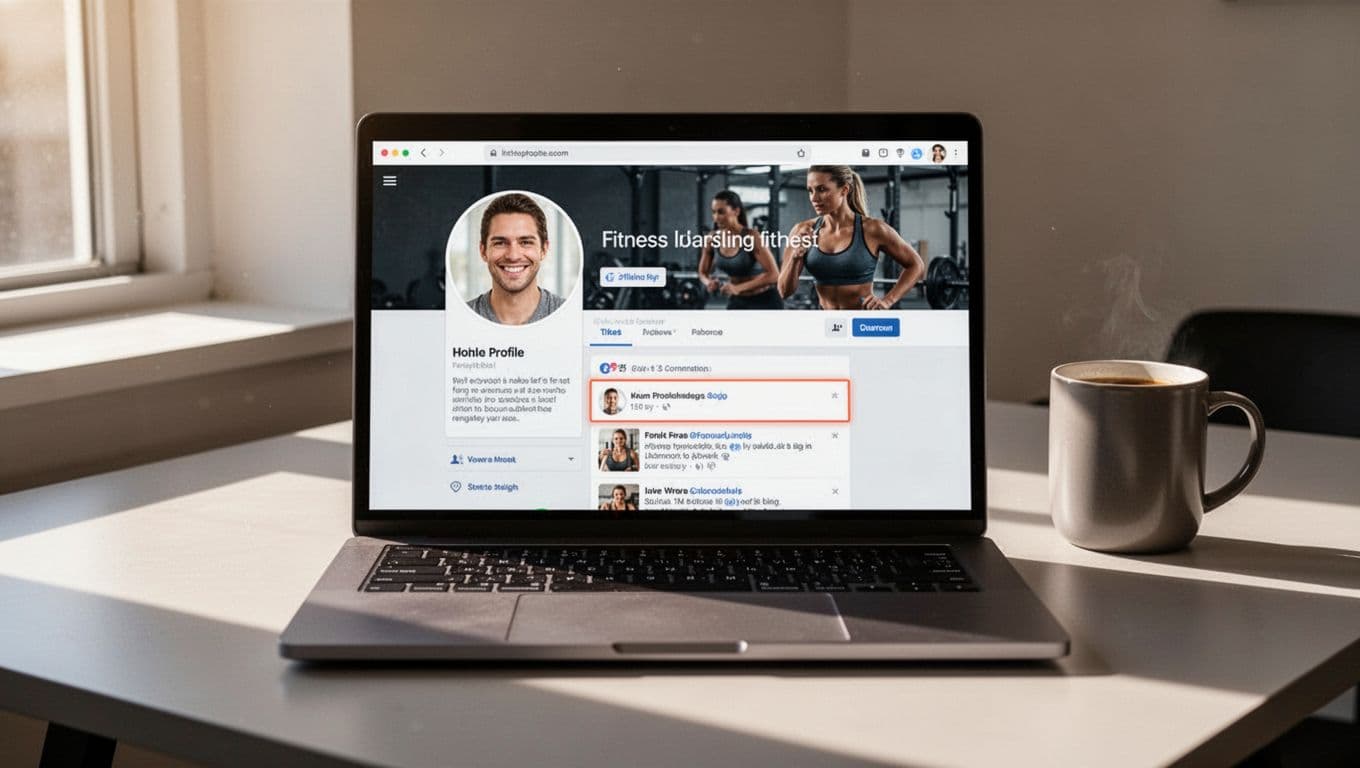
Before I try to earn anything from X, I fix the profile first. A messy profile is like a store with no sign on the door. People may walk in, but most leave fast.
Your profile should answer three things in seconds:
- who you help
- what you post about
- what action to take next
If your bio is vague, your posts feel random, or your pinned post says nothing useful, people won’t click. They also won’t buy. I keep the profile photo clean, the header simple, and the bio easy to scan.
On X, clear beats clever almost every time.
Pick one topic people will follow you for
If I want to learn how to make money on Twitter for free, I start with one topic, not ten. Mixed topics hurt trust because people can’t tell why they should stay. One day about crypto, the next about recipes, then a rant about movies, that’s noise.
I pick a niche where three things overlap: skill, proof, and demand. Personal finance, fitness, side hustles, freelance writing, design, career advice, and tech tutorials still work because they solve problems people already care about.
You don’t need to be the top expert. You do need useful experience. If you’ve landed freelance clients, lost weight, built a budget, or learned a tool the hard way, that’s enough to start.
Set up a bio and pinned post that lead to clicks
I like a bio with a short value statement, one clear offer, and one link. Something simple works: “I help freelancers get clients with simple X content. Free guide below.”
Then I use the pinned post like a mini landing page. I share who I am, what I help with, one free resource, a small proof point, and a call to action. If I don’t have a website yet, I use a free link page or a basic one-page landing page.
That one pinned post can do a lot of work. It turns casual profile visits into clicks, DMs, and sales.
Use the best free ways to make money on Twitter
The easiest mistake is trying every method at once. I’d rather start with one path, make the first dollar, then stack more later. That keeps the offer clear and the content focused.
For most beginners, I like this order: affiliate offers first, services second, digital products third. After that, small sponsored posts can show up once your niche is clear and your audience trusts you.
Promote affiliate offers that fit your audience
Affiliate marketing is often the fastest starting point because you don’t need your own product. I begin with tools or products I already use, then talk about them honestly. That matters. A forced recommendation feels like a bad handshake.
If I post about writing, I might share a writing tool. If I post about fitness, I might share an app, gear, or meal planner. The offer has to match the audience, or clicks won’t turn into sales.
I place links in a pinned post, a simple landing page, or a thread that teaches something useful first. I don’t blast raw links all day. That makes the feed look cheap. For ideas, I’d browse a solid affiliate program roundup and choose one or two programs that make sense for my niche.
Just as important, I disclose. If there’s a material connection, I say so in plain English. The FTC endorsement guide is worth reading because trust disappears fast when people feel tricked.
Sell a simple service before you build a product
Services are often quicker to sell than a course or ebook. There’s less setup, and you can get paid before building anything big. I like this route for beginners because cash comes faster and feedback comes faster too.
Good starter services include ghostwriting, design, video editing, social media help, research, coaching, and consulting. You don’t need a fancy funnel. You need proof that you can help.
So I post content that shows skill. A freelance writer can share before-and-after hooks. A designer can show brand fixes. A coach can post short lessons that solve one problem. Then I add a clear line in the bio or pinned post: DM me, or book a call through a free calendar link.
If your niche is business-friendly, sponsored posts can come later too. Brands usually pay for attention plus trust, not follower count alone. A small but focused audience can beat a big unfocused one.
Turn your knowledge into a low-cost digital product
Once I know what people ask me about, I turn that into a tiny product. Not a huge course. Not a 200-page guide. Something small and useful.
That could be a checklist, template pack, mini guide, swipe file, spreadsheet, or workshop replay. The best first product solves one tight problem. Think “30 hooks for fitness coaches” or “budget template for new freelancers,” not “everything about making money online.”

I build the first version with tools I already use, usually a doc, slides, or a simple design tool. Then I sell it on a basic checkout platform with no upfront cost. X becomes the traffic source. The product becomes the next step for people who want more help.
Grow an audience that clicks, replies, and buys
Money on X comes from attention plus trust. Follower count helps, but it isn’t the whole story. I’d rather have 1,000 right followers than 20,000 random ones.
The good news is that free growth still works if the content is useful and consistent.
Post the kinds of tweets that lead to income
I use a simple mix. Helpful tips build trust. Short stories make ideas stick. Opinion posts attract the right people. Proof posts show results. Calls to action turn attention into clicks.
Strong posts usually do one job well. They solve one problem, teach one lesson, or share one result. That’s it. If I try to cram five lessons into one post, the message gets muddy.
Threads can work, but only when the topic needs room. I don’t write them to look smart. I write them when a short post can’t carry the point. Also, I repurpose winning posts often. If a post drove profile visits once, I’ll rewrite the angle and post it again later. That’s smarter than chasing endless new ideas.

Use replies, DMs, and Spaces to build real relationships
Early on, replies are one of the best free growth tools I know. I reply to bigger creators in my niche and to people who look like ideal customers. Not with fluff, and not with “great post.” I add a real point, a fast example, or a helpful take.
That gets profile visits. Then the profile does its job.
DMs also work when they happen naturally. If someone asks a question, likes several posts, or replies with interest, I can continue the chat. What I don’t do is cold-spam strangers with offers. That burns trust fast.
Live audio can help too. I treat Tips on X as a bonus if it’s available on the account, not the main plan. Free users can still use X as a relationship tool, and some creators also use Spaces to warm up buyers before selling a service, workshop, or product. I keep paid audio options, including Ticketed Spaces-style features where available, in the “extra” bucket because rollout and rules can change.
Avoid the mistakes that waste time and kill trust
Most people don’t fail because X has no opportunity. They fail because their message is blurry. Then they pile on too many offers and confuse the few people who were ready to buy.
Don’t chase every monetization method at once
I’ve seen this over and over. Someone posts affiliate links, pushes coaching, mentions a course, asks for Tips, and chases sponsors all in the same week. Followers don’t know what the real offer is, so they do nothing.
Pick one main method first. Make it work. Then add a second layer.
If I were starting from scratch today, I’d choose affiliate marketing or a simple service. Both are cheap to start, fast to test, and easy to improve.
Be transparent, track results, and improve what works
Trust is the whole engine here. So I disclose paid promotions, avoid fake income screenshots, and never promise wild results. Short-term hype can win clicks, but it kills repeat buyers.
I also track simple numbers. Profile visits, link clicks, replies, DMs, and sales tell me what’s working. X gives some data, and link trackers help fill the gaps. If you’re curious about which built-in earning tools are tied to paid creator features, X explains more in its creator subscriptions help page.
Small signals matter. One post that brings three good DMs is often worth more than a post with 500 empty likes.
You can make money on Twitter for free if you keep the model simple. Pick one path, post useful content, and make one clear offer. For most beginners, affiliate marketing and services are the best place to start because they need little setup and give fast feedback.
Don’t wait for perfect timing or a huge following. Clean up your profile, write one pinned post with a clear offer, and publish something helpful today.
That first clear step beats another week of scrolling.