Your phone can make money, but it won’t turn into an ATM overnight. That’s the part I want to make clear first, because quick cash is possible, yet steady income usually comes from picking one method and sticking with it.
If I were starting today, I’d begin with the phone I already have and keep the plan simple. Delivery apps, selling old stuff, freelance services, UGC videos, cashback apps, and micro-tasks can all work. The trick is knowing which one fits your week, your energy, and your goals.
If you’re wondering how to start making money from your smart phone, the smartest move is to choose one lane first and get proof that it works.

Choose the best phone money method for your time, skills, and goals
I see a lot of beginners make the same mistake. They download ten apps, try all of them for two days, and then decide none of it works. That approach burns time fast.
I like to sort phone income into four simple lanes:
| Lane | Best for | Typical payoff |
|---|---|---|
| Quick cash | Bills this week | Fast, but limited |
| Skill-based income | Better rates later | Slower start, stronger growth |
| Creative income | Videos, design, digital products | Can scale over time |
| Low-effort extra money | Small spare-time boosts | Best as a side add-on |
That matters because 2026 options are wider than they were a few years ago. Delivery apps like DoorDash, Uber Eats, and Instacart still attract people because they can pay around $15 to $25 an hour in many markets, especially during busy times. Freelance apps like Upwork and Fiverr make more sense if I can write, edit, design, or manage social posts. UGC platforms and digital product sites like Gumroad can grow better over time, while apps like Fetch Rewards and Swagbucks fit the “small extra money” lane.
Before I join any gig app, I compare how it pays, what it charges, and how flexible it feels. A side-by-side look at top delivery app earnings in 2026 can save a lot of guessing.
The big takeaway is simple: I don’t need every option. I need one good fit.
Start with quick cash if you need money this week
If I need money fast, I go for speed, not perfection. Delivery apps, local errand apps, paid surveys, and selling unused items are the fastest phone-first choices for most people.
DoorDash, Uber Eats, and Instacart can move faster than freelance work because I can often apply, get approved, and start taking orders once the account is ready. Selling old clothes, small electronics, books, and home items can be even faster if I already have things around the house. Survey and game apps may pay quickly too, but the money is usually small.
I stay honest with myself here. Quick cash methods are great for gas money, groceries, or a small bill. They usually don’t create long-term freedom on their own. They’re more like a bucket, not a well.
Pick skill-based or creative work if you want higher income later
If I want better income three months from now, I start building a skill people will pay for again and again. Phone-friendly examples include freelance writing, caption writing, simple Canva graphics, short video editing in CapCut, admin help, and UGC videos for brands.
This is where rates can rise. A beginner might earn $5 to $50 on a small Fiverr task or around $20 an hour on Upwork, while stronger samples can push rates much higher over time. I also like UGC because it doesn’t require a huge following. Brands care more about clear, natural product videos than follower counts.
When I compare freelance platforms, I check fees, job types, and how clients hire. Upwork’s 2026 Fiverr comparison is useful for that. If I want to explore creator work, platforms like Social Cat show how brands connect with UGC creators.
Skills stack. A better sample leads to better clients, and better clients lead to better pay.
Set up your smart phone to earn money without looking unprepared
Before I apply anywhere, I clean up the basics. This step is boring, but it saves headaches later.
I use one clear email for work, one payment method I trust, and a simple profile photo with good light. Then I write a short bio, turn on strong passwords, and keep a notes app ready for job tracking. I also make a folder for screenshots, sample videos, listings, and receipts.
A phone setup doesn’t need to look fancy. It needs to look reliable. People want to know they’ll get what they paid for, and platforms want to know I’m real.
Build a simple profile that helps people trust you
I keep my bio short and plain. No hype, no buzzwords, no giant promises.
A good phone-income bio sounds like this: “I create short product videos for brands.” Or, “I write captions for small businesses.” Or, “I edit simple vertical videos for TikTok and Reels.” That’s enough.
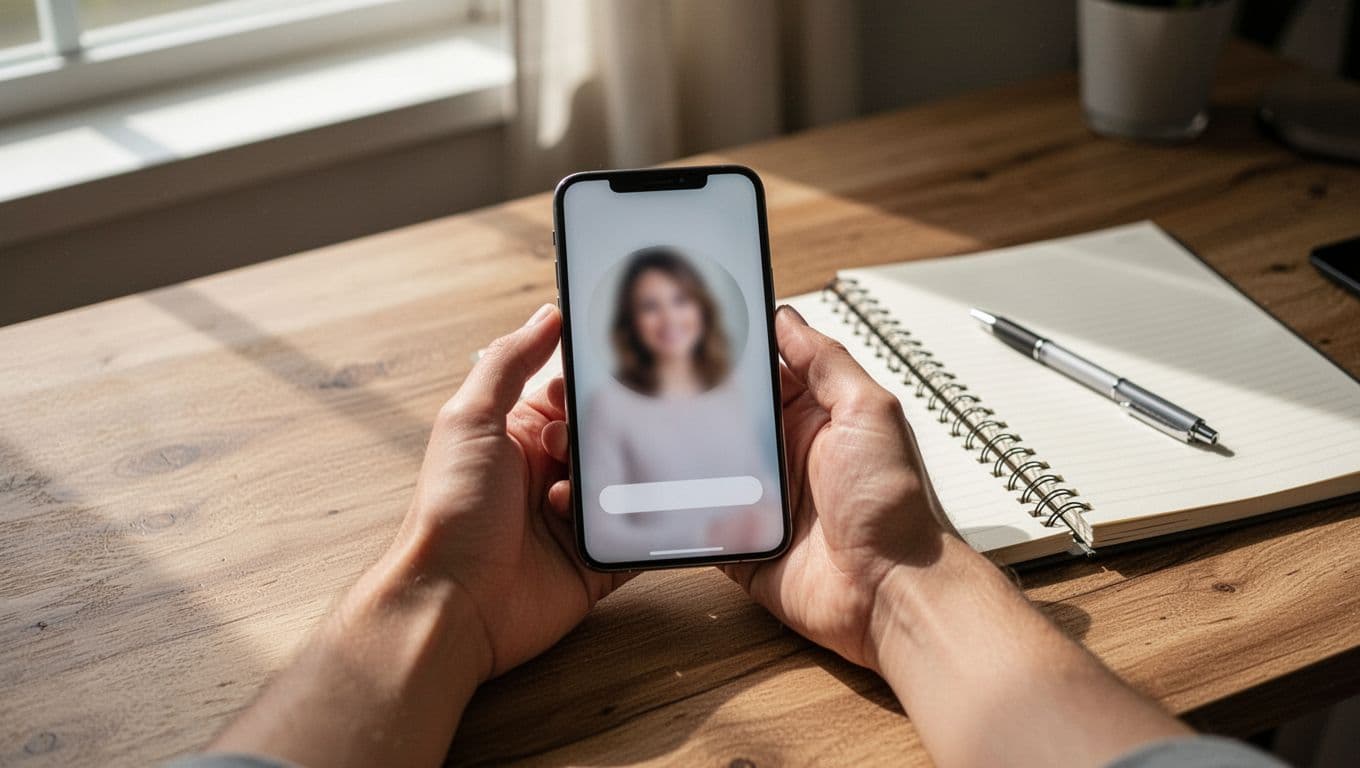
Use a clear headshot or a neat photo with good lighting. Then fill out the profile completely. A half-finished profile feels like an empty store shelf.
I also check reviews before signing up for any earning app. If payout rules feel vague or the app wants upfront money, I stop right there. The FTC’s side hustle scam warning is worth reading before I hand over my time or data.
Use basic tools on your phone to work faster and look more professional
Most people already have enough tools to begin. I don’t rush out to buy upgrades.
Canva helps with simple graphics, cover images, and quick social posts. CapCut works well for short-form video edits. Google Docs or Notes keeps scripts, captions, and pitch templates in one place. PayPal or Cash App can help with payments, while a calendar app keeps follow-ups from slipping away.
I only add tools when they solve a real problem. A faster workflow beats a pile of apps I barely use.
Follow a simple step by step plan to land your first dollar
When I want momentum, I use a one-day plan. It keeps me from overthinking.
- I pick one method, not three.
- I download the app or create the account.
- I finish the profile in one sitting.
- I make one sample, one listing, or one gig.
- I take daily action for seven days.
That’s it. Progress matters more than polish at the start.
If I choose selling, I can list five items on Facebook Marketplace, Poshmark, eBay, or Decluttr in one afternoon. If I choose freelancing, I can post one Fiverr gig or send three short Upwork pitches. If I choose UGC, I can record one sample product video with something already in my kitchen or bathroom.
My first goal isn’t a perfect system. It’s proof that one phone-based method can earn real money.
That mindset helps because early wins build confidence fast.
If you want fast results, start by selling things you already own
This is one of my favorite starting points because the items are already there. No client hunt, no long approval wait, no fancy skill needed.
I gather ten things I no longer use, then choose the five easiest to ship or hand off locally. Clothes, shoes, headphones, small kitchen gear, books, and old tech often move well. A quick look at best resale apps and websites for 2026 can help match the item to the right platform.
Take photos in daylight. Use a plain background. Show flaws clearly. Then write a short, honest description and price it to sell, not to sit.
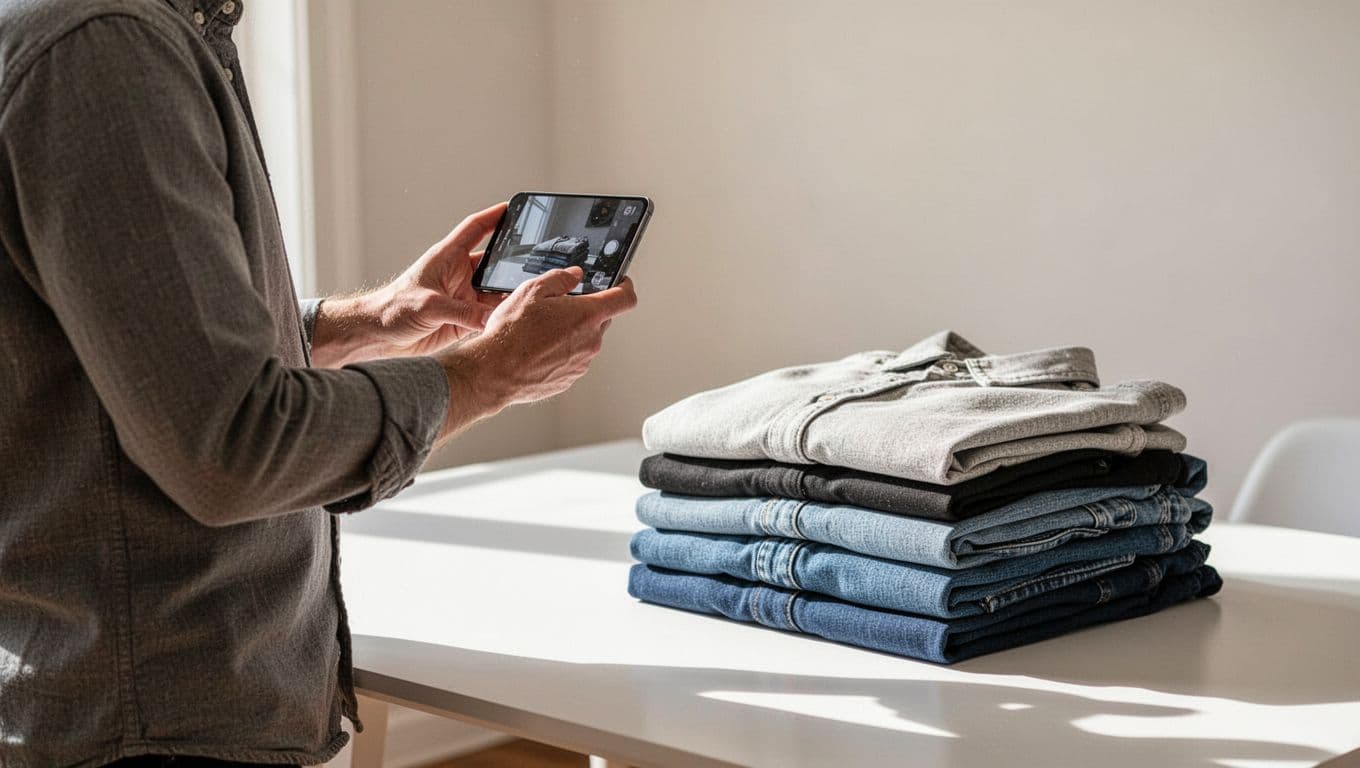
Selling from my phone feels a lot like clearing clutter and getting paid for it. That’s a great first win.
If you want repeat income, start with one service you can offer from your phone
Repeat income usually starts with one clear offer. I don’t try to become a full agency on day one.
A simple service could be writing captions, editing short videos, making basic Canva posts, recording product review clips, or handling light admin work. I create one sample first, even if nobody asked for it. Then I post one gig and send a few short pitches every day.
A pitch can be simple: who I help, what I do, and one reason I’m a fit. That’s enough to start conversations.
If I want a creative path, I also look at UGC platform options in 2026. The goal isn’t to join every platform. It’s to get one good sample in front of the right people.
Avoid the biggest mistakes that waste time or lead to scams
Phone income is real, but bad choices can kill momentum. I try to protect both my time and my data from the start.
The biggest beginner mistake is chasing every shiny option. The second is quitting too early. The third is trusting offers that sound easier than real work.
Know the warning signs before you give any app your time or data
I get cautious when an app asks for upfront fees, promises easy passive income, or pushes me to move off-platform right away. The same goes for fake checks, surprise “training” costs, and vague payout details.
Real platforms explain how payment works. They show payout minimums, terms, ID checks, and reviews in public. If ratings are terrible or recent reviews mention missing payments, I move on.
Pressure is a red flag too. Good apps don’t need to rush me into bad decisions.
Treat even small phone income like real money from day one
This part matters more than most beginners think. I track what comes in, what fees come out, and which apps are worth my time.
I keep screenshots of payouts, save receipts, and note how long each task takes. After a week or two, patterns show up. Some apps pay okay but waste time. Others feel slow at first, then start working better once I build reviews or better listings.
If earnings grow, I also set aside money for taxes. Even small income can become a real side stream, and I want to treat it that way early.
The phone in my hand can help me earn, but only if I run it like it matters.
Your phone doesn’t need to do everything today. It needs to help you make one dollar, then another, then a pattern.
If I were starting right now, I’d pick one method before the day ends. I’d list one item, post one gig, or record one sample video. That’s how real momentum starts.
The best plan for how to start making money from your smart phone is the one you’ll stick with long enough to prove it works.