

New affiliates don’t need to fight giant sites to get traction. I get better results when I focus on the best affiliate marketing niches with low competition, because a narrow niche can still have strong buyer intent, steady demand, and plenty of room to stand out.
In this guide, I’ll keep it simple. I’ll show how I judge low-competition niches, which ones look especially promising in 2026, and how I’d pick one without wasting months on a topic that won’t pay off.

What makes a niche low competition, but still worth my time
When I say a niche is low competition, I mean I have a real shot at getting attention without fighting giant sites on every topic. In plain English, it’s a topic with weaker direct rivals, clearer gaps in content, and a specific audience that wants help now. At the same time, it still needs product demand and a real problem to solve, or it won’t be worth the effort.
That balance matters a lot. If I go too broad, I get buried. If I go too tiny, I may run out of topics, products, or buyers. The best affiliate marketing niches with low competition usually sit in the middle, focused enough to stand out, but big enough to grow.
I look for small sub-niches inside big markets
I almost never start with a huge market on its own. “Gardening” is too broad. “Indoor gardening” is much better because the audience has tighter needs, sharper questions, and a more specific set of products.
The same idea works in other markets. “Tech” is massive, but “beginner creator gear” is easier to build around. Instead of talking to everyone, I can help new YouTubers, podcasters, or TikTok creators pick simple gear that fits their budget and skill level.
This is where low competition gets practical. A sub-niche usually has:
- Fewer direct competitors: less chance I’m up against giant publishers on every keyword
- Clearer content angles: I know what to write because the problems are more specific
- Better trust: readers feel that I understand their exact situation
- Stronger product fit: it’s easier to recommend tools that match the audience
Think of it like opening a small shop on a busy street. I don’t try to sell everything. I become the place for one type of customer with one type of need.
That’s also why trust builds faster. Someone searching for indoor grow lights or beginner camera mics doesn’t want a vague overview. They want help from a source that feels focused. Google’s own guide to understanding search intent lines up with this idea, because useful, targeted content tends to match what people are actually trying to do.
I also like sub-niches because they leave room to expand later. For example, indoor gardening can branch into grow lights, plant shelves, self-watering systems, and beginner-friendly plant kits. So I start narrow, gain traction, then grow from there.
The sweet spot is simple: narrow enough to matter, broad enough to monetize.
Current niche trends also support this approach. Areas like senior care tech, pet tech, sustainable home tech, and focused AI tools are growing in 2026, especially when I pick a smaller angle instead of covering the whole market. A quick scan of these 2026 affiliate niche examples shows the same pattern, smaller problem-driven pockets often create the best opening for beginners.
I want buyer intent, not just page views
Traffic looks exciting, but traffic alone doesn’t pay me. I care more about buyer intent, which means the person is close to making a decision. Those visitors are far more useful than a crowd of casual readers.
For example, a broad topic like “how to start a garden” might pull in lots of visits. But a search like “best indoor grow light for herbs” is much closer to a sale. The same goes for “USB mic vs lav mic for beginners” or “best budget ring light for YouTube.” Those searches come from people who need a product now, not someday.
Here are the topic types I value most:
- Product-focused searches: “best portable power station for apartment backup”
- Comparison searches: “Jasper vs Copy.ai for small business”
- Beginner problem-solving searches: “why is my grow light not helping seedlings”

Each one can lead naturally to affiliate offers. That’s why I don’t chase random views from broad info posts unless they support a product path. A beginner problem article can still convert well because the fix often involves a tool, replacement, upgrade, or starter product.
I keep this rule in mind: the closer the search is to a decision, the more valuable it becomes. So instead of trying to rank for giant topics with weak sales intent, I would rather publish content that helps people compare, choose, and buy.
A niche becomes worth my time when it checks three boxes:
- It solves a real problem
- It has products people already buy
- It attracts searches from people close to taking action
That simple filter saves me from wasting months on topics that look popular but don’t convert.
Best low-competition affiliate niches to start with in 2026
When I look for the best affiliate marketing niches with low competition, I don’t chase giant categories. I look for smaller pockets where people need help, products already sell, and big publishers haven’t locked down every search result.
That’s why the niches below stand out to me for 2026. Each one has clear demand, practical content angles, and solid ways to monetize without needing a huge site from day one.
Indoor gardening for small spaces and beginners
Indoor gardening keeps growing because more people want fresh herbs, simple plant care, and apartment-friendly setups. At the same time, beginners need a lot of help, which creates a steady stream of easy content ideas.

What I like most is the product range. I can build content around starter kits, small hydroponic systems, seed trays, self-watering pots, grow lights, humidity meters, and compact shelving. That gives me a mix of low-cost beginner products and higher-ticket gear as readers gain confidence.
This niche also works because the audience asks very specific questions. A new grower doesn’t want a giant gardening guide. They want help with things like basil on a kitchen shelf, lettuce in a small hydroponic unit, or the best grow light for a dark apartment. Those are much easier topics to target than broad gardening terms.
A few content angles I would start with are:
- Starter setup guides: Small herb gardens, indoor lettuce kits, or beginner hydroponic systems
- Problem-solving posts: Why seedlings are leggy, why leaves turn yellow, or how long to run grow lights
- Product comparisons: Cheap vs premium grow lights, soil kits vs hydroponic kits, plastic vs ceramic planters
The demand is steady because plants need ongoing care, not a one-time purchase. A reader may start with seeds, then buy nutrients, lighting, shelves, timers, and replacement supplies later. That repeat interest makes this a very beginner-friendly niche with room to grow. If I wanted examples of product programs in this space, I could study gardening affiliate program options and spot which categories already convert.
This niche feels like a small apartment version of home improvement, people keep upgrading it one piece at a time.
Niche fitness for specific lifestyles
Fitness is crowded when I go broad. It gets much easier when I focus on a very specific lifestyle, routine, or sport. That’s where beginners can actually compete.
For example, I would rather build around home gym gear for busy parents, swimming training tools, or tennis training aids than try to rank for general workout advice. Those smaller segments have clearer pain points and more targeted products.
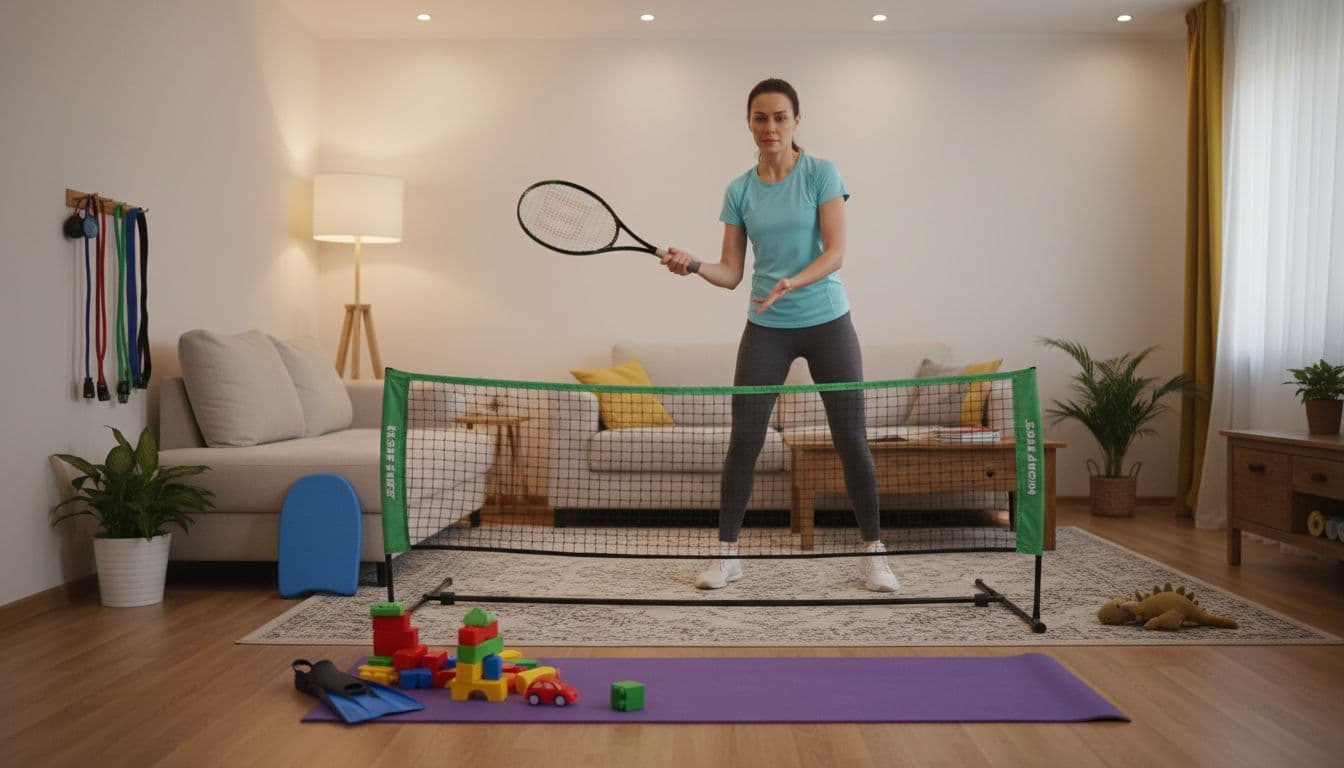
Busy parents, for instance, often want short workouts, compact gear, and tools they can store fast. That naturally points to resistance bands, adjustable dumbbells, foldable benches, recovery tools, and app-based programs. The broad fitness market talks to everyone. A parent-focused site speaks to one real person with a packed schedule.
Sports-specific angles can work even better. Swimming and tennis each have their own training gear, beginner mistakes, drills, and safety concerns. That gives me room for content like:
- Best swim training gear for adult beginners
- Tennis ball machines for home practice
- Compact fitness gear for parents with no spare room
- Recovery tools for swimmers or weekend tennis players
The narrow angle matters because it sharpens buyer intent. Someone searching for a yoga mat might just be browsing. Someone searching for the best resistance bands for stroller-friendly workouts or the best tennis training aid for solo practice is much closer to buying.
I also like this niche because the content can branch into digital products and subscriptions. That’s useful in 2026, because recurring offers often beat one-off sales. A focused fitness niche may not look flashy, but for a new affiliate, it’s often a cleaner path than trying to compete in the giant health market.
Budget travel gear and money-saving trip planning
Budget travel stays popular because people still want trips, even when they watch every dollar. That creates a strong opening for content that mixes smart planning with useful gear.
This is one of my favorite beginner niches because it doesn’t need a luxury angle. I can help readers save money, pack better, and avoid waste. That’s practical, and practical content converts.
A strong site here can cover carry-on bags, packing cubes, neck pillows, portable chargers, luggage scales, travel cards, booking tools, and trip-planning apps. The key is to keep the advice realistic. Most readers don’t need a dream vacation blueprint. They need help planning a cheaper weekend trip, an affordable family flight, or a one-bag trip that avoids baggage fees.
That’s why this niche works so well for new affiliates. I can create content around real buying moments, such as:
- Picking gear that keeps travel cheap
- Comparing low-cost trip-planning tools
- Recommending products that solve common pain points
- Showing how to avoid overspending before the trip even starts
The content ideas come naturally. I could write about the best travel gear under a set budget, how to pack for a week with one carry-on, or which travel cards make sense for light travelers. Each topic speaks to a person trying to save money now, not someday. That kind of search usually carries stronger intent.
I also like that this niche blends products with services. A reader might buy a backpack, then sign up for a planning tool or travel-related card later. That mix gives me more ways to earn than a gear-only niche. If I wanted proof that budget-focused offers keep showing up in low-competition niche research, I’d compare notes with recent 2026 niche examples.
For beginners, the biggest win is simple: budget travel content is easier to trust when it sounds honest. I don’t need to sell luxury. I just need to show readers how to spend less and travel smarter.
DIY tools and workshop organization for everyday homeowners
Home projects never really go away. People fix shelves, hang TVs, patch drywall, build storage, and organize garages all year. That creates reliable demand for tools, safety gear, and setup advice.
The trick is not to go too broad. A giant DIY site is hard to compete with. A tighter angle, like compact workshop setups, tool storage for small garages, or even one tool category, is much more realistic.
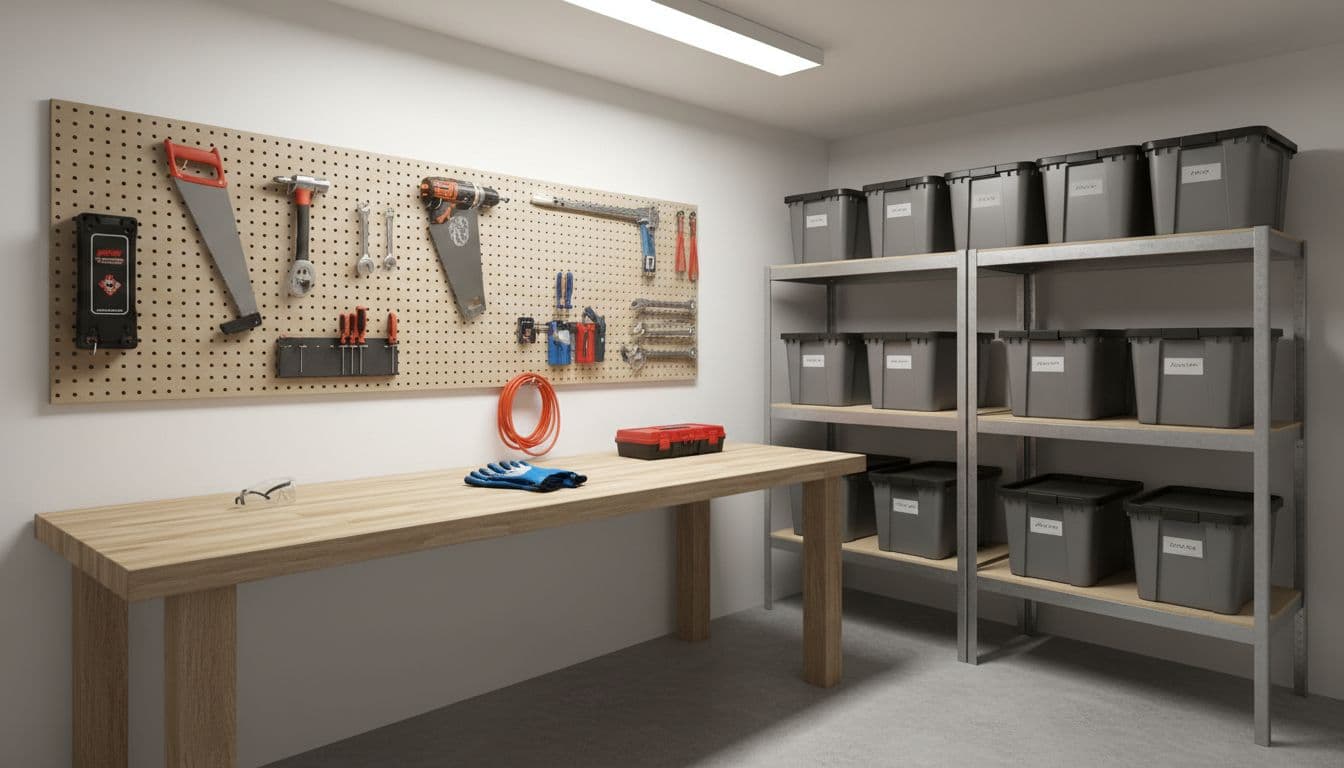
This niche has strong buyer intent because readers usually need a fix, not just inspiration. If someone searches for the best cordless drill for first-time homeowners or the best pegboard system for a small garage, they’re already halfway to checkout.
What makes it especially beginner-friendly is how many simple content paths exist. I can publish:
- Beginner tool guides for common home jobs
- Garage and shed organization ideas
- Safety gear recommendations for new DIYers
- Tool comparisons by task, budget, or room size
Workshop organization is a smart sub-niche because it’s product-heavy. Storage bins, shelving, pegboards, hooks, cabinets, workbenches, labels, battery organizers, and charging stations all fit naturally. A homeowner may start with one shelf and end up buying a whole system. That creates a nice ladder of recommendations.
I also like that this niche supports how-to content without forcing me to be an expert carpenter. I can stay focused on everyday projects and setup basics. That’s a much easier hill to climb. The broad home improvement market is busy, but the smaller, practical corners still have room, especially when I write for the first-time homeowner who just wants order, safety, and the right tool for the job.
Specialty meal kits and beginner creator equipment
These are two different sub-niches, but I group them together because both attract buyers who want a simple start. That makes them a great fit for beginners entering low-competition affiliate spaces.
With specialty meal kits, the broad meal delivery market is crowded. The better move is to narrow down by need. Diet-specific options like keto, vegan, gluten-free, high-protein, or family-friendly meal kits speak to people with a clear reason to buy. Convenience also drives sales here. Busy buyers don’t want endless recipes. They want fewer decisions and less prep.
That gives me easy content angles, such as meal kits for new dieters, affordable options by eating style, or side-by-side comparisons by serving size and prep time. Since subscriptions are common, this niche can also bring recurring revenue, which is a big plus in 2026.
On the creator side, I see the same pattern. General tech is crowded, but beginner creator equipment is much easier to enter. New creators don’t want studio-grade gear. They want a clean first setup that works.
That usually means products like:
- Starter microphones for podcasting or voiceovers
- Simple lighting for YouTube, TikTok, or Zoom
- Budget webcams for streaming or coaching
- Desk setup basics like boom arms, laptop stands, and acoustic add-ons
The content almost writes itself because new creators ask the same practical questions. What’s the best USB mic under a set budget? Do I need a ring light or a soft light? Can I make a decent video in a small bedroom? Those are buyer-ready searches, and they don’t require me to compete with giant tech review sites covering every gadget on earth.
I’ve found that both sub-niches work because they reduce overwhelm. One helps people eat without stress. The other helps them create without overspending. That’s powerful. If I wanted more examples of how beginners are approaching these smaller markets, I’d scan beginner-friendly niche breakdowns for 2026 and compare them to what readers actually search for.
In short, these aren’t random ideas. They’re practical, product-rich, and easier to enter than the giant categories sitting above them. That’s exactly why they belong on my shortlist.
How I choose one niche instead of chasing every idea
When I started looking at the best affiliate marketing niches with low competition, I had the same problem most beginners have, too many ideas and no clear way to pick one. Everything looked promising for five minutes. Then I realized that chasing every idea is like planting ten tiny gardens and forgetting to water them.
So I keep it simple. I pick one niche I can stick with for at least a few months, test it fast, and ignore the rest until the numbers give me a reason to switch. That keeps my time, money, and attention in one place, which matters even more when I’m new, broke, and starting with no audience.
I match the niche to my interest, budget, and content style
I don’t need to be an expert to choose a niche. I just need enough interest to keep showing up. If a topic already bores me, I know I won’t want to write the tenth post, record the fifth video, or send weekly emails about it.
That’s why I use a simple three-part filter:
- Interest: Can I talk about this without forcing it?
- Budget: Can I create useful content without buying expensive gear or products?
- Content style: Does this fit how I naturally like to publish?
That last part matters more than people think. Some niches work great for writing, like product comparisons or beginner guides. Others fit video better, especially when people want demos or setup help. A few are strong for email, because subscribers need tips, deals, or weekly picks. And some niches are built for social content, where fast visuals and quick recommendations do the heavy lifting.

For example, if I hate being on camera, I don’t choose a niche that depends on constant face-to-camera reviews. If my budget is tiny, I avoid niches where I need to buy lots of products just to look credible. Instead, I choose a lane that fits how I already work. That makes consistency much easier. A good framework for weighing passion, demand, and profit appears in this niche selection guide, but my rule stays basic: the best niche is one I can keep publishing in without burning out.
I don’t need the perfect niche, I need one I can keep feeding every week.
I test the niche with simple content and easy affiliate offers
Once I narrow my list, I don’t go all in right away. I test the niche with a few easy pieces of content first. This saves me from building a whole site around an idea that only looked good on paper.
My first test is small and practical. I usually sketch out three starter content types:
- A beginner guide: something like “how to get started” or “what to buy first”
- A product roundup: a short list of beginner-friendly options
- A problem-solving post: a simple question people ask before buying
If I can come up with those quickly, that’s a great sign. It means the niche has real questions, buyer intent, and room for useful content. If I struggle to find even a few clear article ideas, I move on. I don’t force it.

Then I check the offers. I want affiliate programs tied to products people already buy, not random offers with flashy commissions. A normal product with steady demand beats a weird offer with a huge payout almost every time. If the niche has common products, solid beginner searches, and easy first content, I know it’s worth a deeper look. I like fast validation advice like the ideas in this 30-minute niche validation walkthrough, because it pushes me to test instead of overthink.
My decision process is simple enough to finish in one sitting:
- Pick one audience with one clear problem.
- Brainstorm five easy article ideas.
- Find a few affiliate offers people already trust.
- Publish or outline the first pieces.
- Watch for clicks, interest, and momentum.
If one niche clears those steps, I stop shopping around and commit. That’s how I avoid idea overload and give myself a real chance to grow.
Common mistakes that make low-competition niches fail
A low-competition niche can still flop fast. I’ve seen that happen when the niche looks easy on paper, but the foundation is weak. In most cases, the problem isn’t the niche itself. It’s the way people choose it.
The pattern is pretty clear. Beginners either go too wide and disappear, or they go so random that nobody is ready to buy. If I want one of the best affiliate marketing niches with low competition to actually work, I need a niche that is focused, useful, and tied to real spending.
Going too broad, too early
This is one of the fastest ways to kill momentum. If I start with a huge topic like fitness, tech, or home improvement, I’m not really picking a niche. I’m walking into a packed stadium and hoping someone notices me.

Broad topics make ranking harder because the search results are usually full of bigger sites. They also make trust harder to build. When I try to help everyone, my content starts sounding generic. Readers don’t feel understood, so they bounce.
That weak focus also hurts conversions. A person looking for “best camera” could mean anything. A person searching for “best beginner webcam for online tutoring” is much easier to help, and much closer to buying. That’s the difference between traffic that looks nice and traffic that pays.
I keep this simple rule in mind:
- Broad niche: More topics, more noise, weaker trust
- Narrow niche: Fewer topics, clearer problems, stronger buyer intent
If I start narrow, I can become known for one thing first. That’s a much better path. After I build traction, I can branch out into related sub-topics. This guide on broad vs narrow niches explains the tradeoff well, but the short version is simple, narrow wins early.
I don’t need to be big on day one. I need to be clear.
A focused niche also makes content planning easier. Instead of guessing what to publish, I can map content around one audience, one problem, and one set of products. That means less confusion and better consistency.
So if I’m tempted to start with a giant market, I pull it in tighter. I don’t choose “pets.” I choose pet GPS collars for anxious dog owners. I don’t choose “AI.” I choose AI writing tools for real estate agents. That shift is small, but it changes everything.
Picking a niche with no real buying activity
Low competition by itself doesn’t mean much. A quiet niche can look attractive, but if nobody buys anything there, I don’t have a business. I have a hobby blog with affiliate links taped on.

This mistake shows up when people pick topics based on personal interest alone. Maybe the audience loves reading about the subject, but they don’t spend money to solve problems in it. Or worse, there are almost no decent affiliate programs, no product variety, and no repeat demand.
I want to see three things before I commit:
- Real products or services people already buy
- Affiliate programs with solid fit, not random offers
- Searches with buying intent, like comparisons, reviews, and problem-solving queries
For example, a niche built around “interesting facts about birds” may get curiosity clicks. But a niche around bird-feeder cameras, smart feeders, and squirrel-proof setups has clear buying activity. One attracts browsers. The other attracts buyers.
That’s why I don’t chase low competition alone. I also check if people are trying to fix, improve, compare, or choose something. This niche selection breakdown gets this right, because it focuses on demand and buying behavior, not just easy rankings.
A few warning signs usually tell me to back off:
- Too few products to recommend naturally
- No clear affiliate programs from trusted brands
- Mostly curiosity searches, with little sign of buying intent
- One-off interest with no room for follow-up content or repeat sales
In other words, low competition is only part of the picture. I still need a market where money already moves. If readers never open their wallets, even great content won’t save the niche.
The good news is that this is easy to avoid. I just need to think like a shopper, not only like a publisher. When I do that, I stop picking empty niches and start building in markets that can actually grow.
Conclusion
The best affiliate marketing niches with low competition usually aren’t broad markets, they’re focused sub-niches with real demand, solid products, and enough space for a new voice like mine to matter. That’s the sweet spot I look for, clear problems, buyer intent, and a topic I can keep showing up for week after week.
So I don’t need to chase every trending idea. I need to pick one niche, test it fast with useful content, watch how people respond, and stay consistent long enough to learn what works.
That’s the real edge. When I stay focused, solve real problems, and keep publishing, I give myself a much better shot at turning a small niche into a real affiliate business.