If I’m just hearing about the goli affiliate program, the appeal is easy to see. I can share Goli products with my audience through a special link or code, and I may earn a commission when someone buys. That sounds simple, and in many ways it is.
Still, simple doesn’t always mean clear. As of March 2026, public details point to more than one program path, different commission rates, and a few gaps around payouts. So before I join, I want to know how the process works, what kind of audience helps, what the pay may look like, and where the fine print matters. That’s exactly what I’m breaking down here.
How the Goli affiliate program works from sign-up to first sale
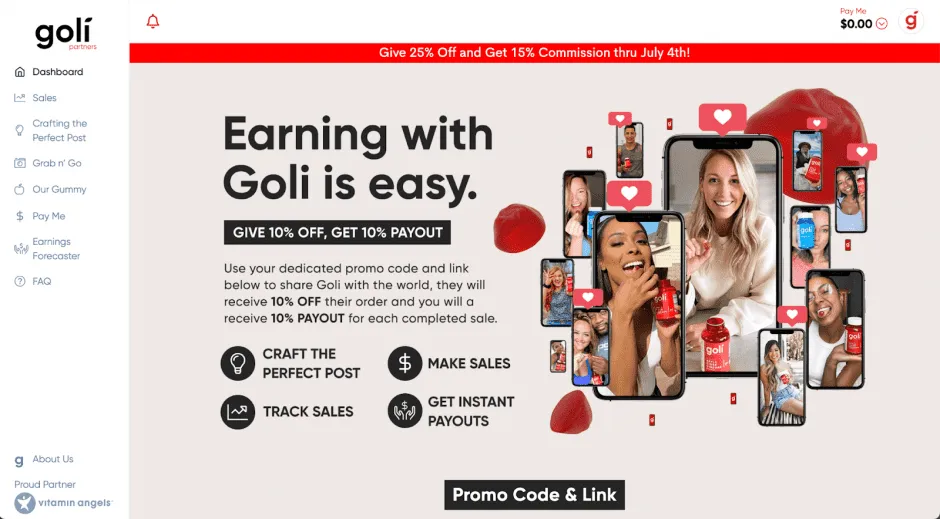
At a basic level, the flow is pretty friendly for beginners. I apply, wait for approval, get access to a dashboard, grab my unique link or code, and start sharing products. Then, if someone buys through my tracking setup, I earn according to that program’s terms.
Public March 2026 info suggests that Goli has a standard affiliate path and a separate partner-style path. The partner side is outlined on the official Goli Partners page, while third-party affiliate listings show the more standard setup. Approval can take a few days, so it’s not always instant.
Once I’m in, the real job starts. I need content that makes people trust my recommendation. That could be a product review, a short social video, a comparison post, or a daily routine example. Affiliate links are like store receipts with my name on them. If the receipt doesn’t get used, I don’t get credit.
What I need before I apply
Before I apply, I want a real platform in place. That usually means an active blog, social profile, YouTube channel, or niche site with a clear health, wellness, lifestyle, or supplement angle.
Audience fit matters a lot. If I mostly post about home repair or sports betting, this brand probably won’t match. On the other hand, if I share wellness habits, vegan products, supplements, or product reviews, my application may make more sense.
Traffic and engagement also help. I don’t need celebrity-level numbers, but very new accounts can struggle. A half-built Instagram page with three posts usually won’t inspire much confidence. I’d rather apply once I can show steady content, clear branding, and at least some audience response.
How tracking, links, and the 30-day cookie affect my earnings
The standard program has been publicly listed with a 30-day cookie. In plain English, that means if someone clicks my link today and buys within 30 days, I can still get credit for that sale.
Here’s a simple example. If I publish a blog post on Monday and a reader clicks my link, then comes back two weeks later to buy, I may still earn commission. That gives my content some breathing room, which is helpful because people often don’t buy supplements on the first click.
I also need to use my unique link or code the same way every time. If I casually mention the product without the right tracking setup, I risk losing credit. Some third-party summaries, like this program details page from Lasso, highlight how important tracking rules are when I compare affiliate offers.
What I can earn, and what the commission options really mean
This is where the goli affiliate program gets more interesting, and a little more confusing.
Available March 2026 information shows the standard affiliate program at 3% per sale. Meanwhile, Goli Partners has been listed at 15% per sale, plus a 10% customer discount. Some sources also describe tiered rates from 10% to 25% tied to sales volume, and some top affiliates may be able to negotiate better terms.
That’s a pretty wide range, so I wouldn’t assume every creator gets the same deal. Different entry points often come with different rules, and public listings don’t always match perfectly.
Here’s the quick side-by-side view I’d keep in mind:
| Program path | Publicly listed pay | Extra perks | Main trade-off |
|---|---|---|---|
| Standard affiliate | 3% per sale | Basic affiliate tracking, 30-day cookie listed | Easier path, lower commission |
| Goli Partners | 15% per sale | 10% audience discount, referral earnings, seller rewards | Likely more selective, terms may vary |
| Higher-volume or custom deals | 10% to 25% reported by some sources | Better upside for strong sellers | May require proven sales volume |
The takeaway is simple: I shouldn’t judge the brand by one number alone. I need to confirm which program I’m actually joining.
The difference between the standard affiliate program and Goli Partners
To me, the standard version looks more like a classic affiliate setup. I share a link, earn a smaller cut, and use the brand mostly as one product option among many.
Goli Partners looks more creator-focused. It has the higher listed commission, a discount code for followers, and some mention of referral earnings. That setup works better for influencers, wellness creators, and people who actively promote products in content.
The trade-off is obvious. A standard program may be easier to enter, but the upside is lower. A partner-style program may pay better, but it likely expects more from me in terms of audience fit, content quality, and sales potential. If I want a broader picture, this FlexOffers program page is another useful comparison point.
Extra rewards, referral earnings, and the details I should confirm first
Some March 2026 sources report milestone rewards for stronger sellers, including cash bonuses, premium items, trips, and even high-end tech. That can sound exciting, but I treat it like the shiny paint job on a car. It looks great, yet the engine matters more.
The engine here is payout clarity. Publicly available info did not clearly publish a standard payout method or minimum payout threshold across all program paths. Some partner sources say payouts are fast, but that’s not the same as a full public payout policy.
Before I commit, I’d confirm commission rate, payout method, payout timing, and minimum threshold in writing.
There’s also reported referral income on the partner side. Some partners can earn 20% of the commission from affiliates they refer. That’s a nice bonus if I already coach creators or run a content community. For extra outside perspective, I’d also skim a third-party review listing before applying.
Why people join, and where the Goli affiliate program may fall short
I can see why people join. Goli is a well-known wellness brand, and that helps when I’m promoting products online. Brand recognition lowers friction. People are more likely to click when they’ve heard the name before.
The sharing tools also seem straightforward. Links, discount codes, and a dashboard are easier to work with than a messy affiliate system. If I’m on Instagram, TikTok, YouTube, or a wellness blog, that matters because speed matters. I want to post content, not wrestle with setup problems.

The biggest benefits for bloggers, influencers, and niche site owners
For bloggers, Goli fits naturally into review posts, ingredient roundups, gift guides, and supplement comparisons. A strong blog post can keep sending clicks long after I hit publish.
For influencers, the upside is speed. Short-form video, stories, and discount codes can move fast when the audience already trusts me. A product mention inside a routine video often feels more natural than a hard sell.
For niche site owners, the biggest plus is search intent. If my site already covers wellness topics, I can target people who are actively comparing products. A page like this commission summary from LinkClicky can also help me benchmark whether the offer is strong enough against other supplement programs.
The red flags and limits I should think about before joining
Here’s the honest part. The standard 3% rate is not huge. If I’m putting a lot of work into content, that number may feel light unless my volume is strong.
There’s also mixed public information across program versions. One source says one thing, another says something slightly different, and the official partner side doesn’t spell out every detail in the same place. That doesn’t mean the program is bad. It means I need to verify the exact path I’m entering.
Success also depends on trust. Wellness products don’t sell well when the audience feels pushed. If my followers aren’t used to product recommendations from me, the conversion rate may be weak.
How I would decide if the Goli affiliate program is worth it for me
For me, this comes down to fit, not hype. If my audience already cares about supplements, wellness habits, healthy routines, or lifestyle products, the goli affiliate program could make sense. If my traffic is random or my content has no product trust, I’d probably look elsewhere.
This program seems best for people with wellness-first content. That includes bloggers writing reviews, creators posting daily habits, and niche publishers targeting supplement-related searches. A general entertainment page probably won’t get the same result.
Who this program fits best, and who may want another option
I’d put myself in the “good fit” group if I have an engaged wellness audience, solid content, and a habit of recommending products in a natural way. That’s where discount codes, routine videos, and review posts can work together.
I’d step back if I had a brand-new account, weak engagement, or content that has nothing to do with health or lifestyle. In that case, even a strong brand name won’t do much. The offer may still be real, but the audience match won’t be.
Simple ways I can improve my chances of earning more
If I join, I’d keep my plan simple:
- Create honest reviews that explain who the product fits and who it doesn’t.
- Show real-life use in routines, recipes, or wellness habits.
- Track what converts so I know which posts bring clicks and sales.
- Answer audience questions because trust often grows in the comments and DMs.
- Use my link or code often so sales track properly and followers have a reason to act.
I’d also stay consistent. One post rarely changes much. Ten useful posts can.
In the end, fit matters more than excitement. The goli affiliate program can be a strong option for the right wellness-focused creator, especially if I qualify for the partner side instead of the lower standard rate. Still, I’d compare the commission path carefully and confirm payout details before I sign up. If my audience already trusts my health and lifestyle recommendations, this could be a solid add-on income stream. If not, I’d build that trust first, then apply with a better shot at real results.