Want income that keeps working after you close your laptop? That idea is real, and it’s a lot more reachable than most beginners think. Still, I don’t treat it like magic.
Automated income takes setup time, testing, and patience before it feels easy.
I also separate automated income from fully hands-off income. Those aren’t the same thing. In most cases, I build the system once, improve it over time, and let software handle the repeat tasks, like payments, delivery, billing, or access. In 2026, the best models mix simple systems, low overhead, and tools that keep working while I sleep.
Below, I’m sharing practical ideas, not hype.

What makes an online business truly automated, and worth starting
To me, an online business counts as automated when it can keep selling without my constant presence. That doesn’t mean I never touch it again. It means the machine keeps moving even when I step away for dinner, a weekend, or a full night of sleep.
I look for three signs. First, I can sell the same thing more than once. Second, software handles most of the repeat work. Third, the business doesn’t need me online every hour to make money.
Automated doesn’t mean effortless. It means the system keeps working after the setup is done.
That simple shift helps me avoid scams. If an offer depends on nonstop posting, direct selling, or one-on-one calls, it’s probably a job with a website. I like the honest framing in this autopilot business breakdown, because it makes the same point: the work comes first, then the automation pays off.
The difference between passive income, semi-passive income, and a job with a website
Passive income is the dream, but semi-passive is usually the truth. A template shop, a membership, or a YouTube library can earn without me showing up live, yet I still update, test, and improve it.
A job with a website is different. If income stops the second I stop working, it’s not passive. Freelancing, coaching, and custom client work can be great, but they don’t scale the same way.
The simple checklist I use before I start any automated income idea
Before I build anything, I run through a fast filter:
- Low startup cost: I want a cheap first version.
- Repeat sales: One product should sell again and again.
- Easy delivery: Files, access, or billing should run by software.
- Clear demand: I need proof that real people want it.
- Room to improve: I want simple ways to automate more later.
That checklist saves me from shiny ideas that look fun but never turn into income.
The best automated online business ideas beginners can start now
When I think about automated online business ideas that make money while you sleep, I keep coming back to models with simple delivery and low daily upkeep. In 2026, digital products, recurring access, print-on-demand, micro SaaS, and evergreen content still stand out because AI and automation now help with editing, support, organization, and follow-up.
Sell digital products once, then let each sale repeat on its own
This is one of my favorite beginner options. I can create a template, planner, printable, prompt pack, mini-guide, or toolkit one time, then sell it over and over.
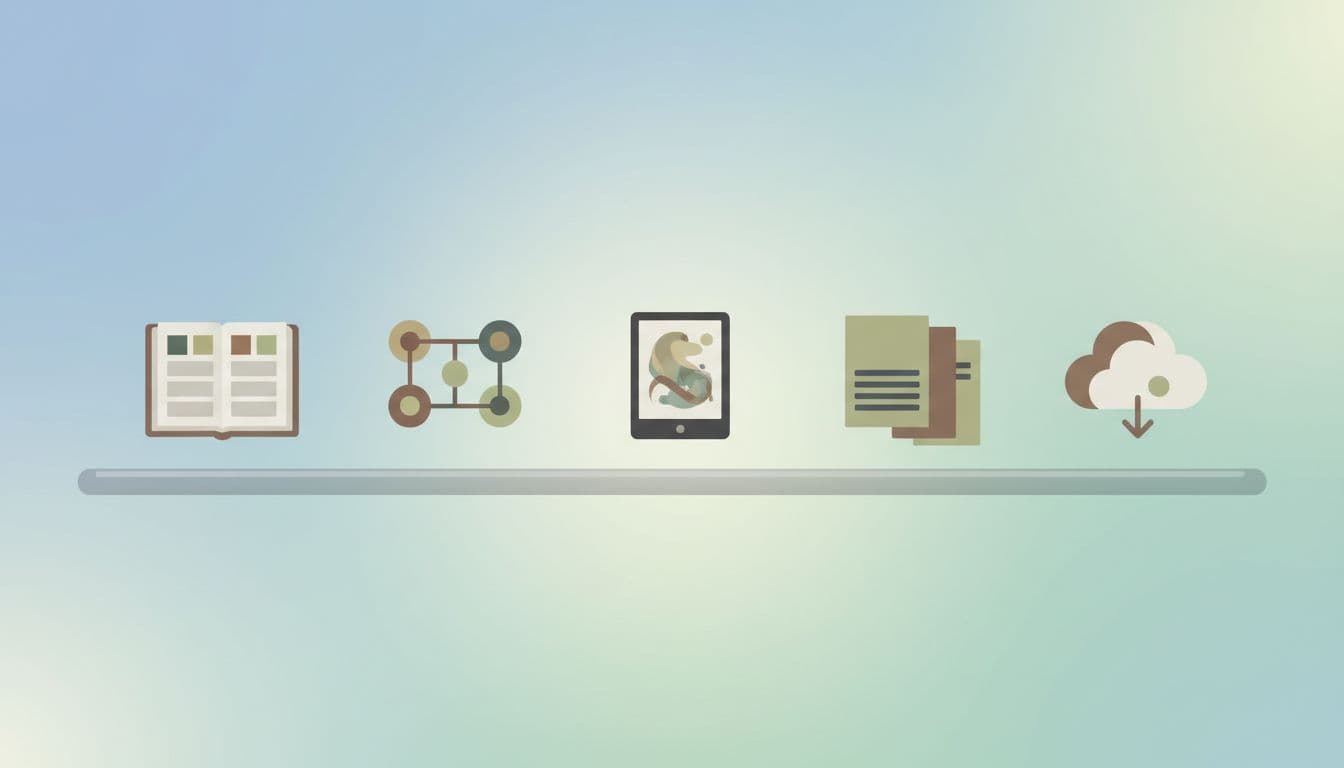
Digital delivery makes this model easy to automate. A customer pays, the file gets delivered, and the order finishes without me lifting a finger. Marketplaces can help me get early traffic, while my own site gives me more control later.
The best products solve a small, annoying problem. Budget sheets, meal planners, client forms, lesson plans, and AI prompt bundles all fit that pattern.
Run a print-on-demand store without touching inventory or shipping
Print-on-demand works because I create the design, write the listing, and connect a supplier to my store. After that, the system handles printing, packing, and shipping once an order comes in.
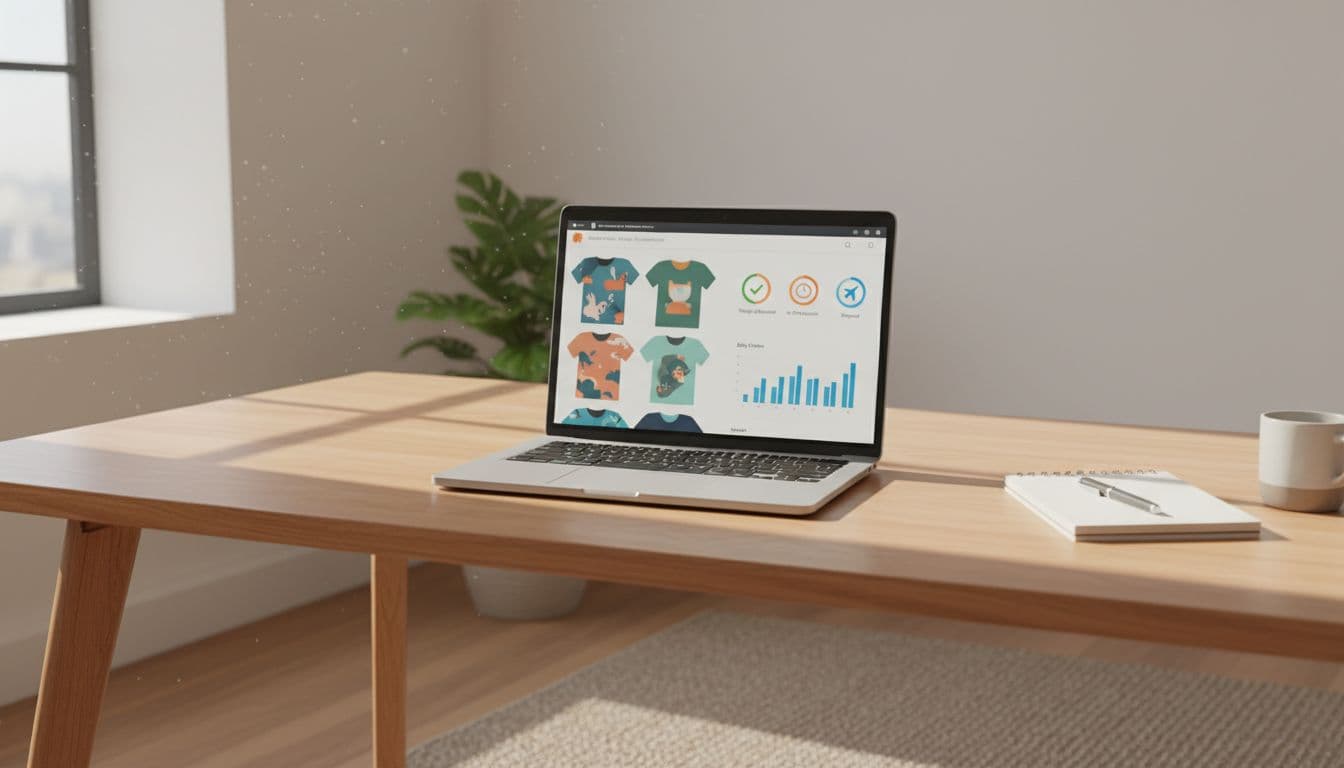
That keeps overhead low. I don’t buy inventory upfront, and I don’t need to stack boxes in my garage. The hard part is product selection. Generic shirts get ignored, but niche designs for teachers, runners, local pride, or hobby groups can work well.
Build a paid membership that bills members every month
Memberships create recurring revenue, which is why I like them so much. Instead of hoping for a fresh sale every day, I build a reason for people to stay.

This can be a small niche community, a premium newsletter, a resource library, or short monthly lessons. Billing, login access, and content release can all happen automatically. Still, retention matters as much as signups. If members don’t keep getting value, they leave.
Create a small software tool that solves one problem really well
Micro SaaS sounds technical, but the idea is simple. I build one small tool that fixes one repeat problem. It could send invoice reminders, help with bookings, calculate prices, or create reports.
This model takes more setup, yet it can become very reliable because people pay monthly for convenience. I don’t need a huge app. I need a useful one. If I want to see the wider field of 2026-ready models around this space, this 2026 online business roundup is a helpful companion read.
Post content that keeps earning from ads, affiliates, and old views
Content is slower, but it can compound in a way few models can. A good blog post, YouTube video, or searchable content library can keep earning from ads, affiliate links, or product sales long after I publish it.
The key is topic choice. Trendy content spikes and fades. Search-based content sticks around longer because people keep looking for answers. That makes old posts and videos act like tiny salespeople working around the clock.
How I choose the right automated business idea for my budget, skills, and time
The best idea for me isn’t always the hottest idea online. It’s the one I can actually build and keep going with when the newness wears off. That part matters more than people admit.
This quick comparison helps me stay realistic:
| Business model | Startup cost | Best fit for me | What runs on autopilot |
|---|---|---|---|
| Digital products | Low | Writing, design, organization | Delivery and payment |
| Print-on-demand | Low | Design and niche research | Fulfillment and shipping |
| Membership | Low to medium | Teaching and community building | Billing and access |
| Micro SaaS | Medium | Problem-solving and tech help | Use, billing, onboarding |
| Content library | Low | Patience and publishing | Old traffic and monetization |
The takeaway is simple: I don’t need the most advanced model first. I need the one I can finish.
Start with low-cost ideas if I need proof before I spend more
When my budget is tight, I start with digital products, affiliate content, or templates. They are cheap to test, quick to launch, and easy to improve after real feedback comes in.
That makes them safer for beginners. I can validate demand without sinking money into software, ads, or inventory.
Choose a business model that fits how I like to work
If I love making things, digital products or print-on-demand make sense. If I enjoy helping groups of people, memberships fit better. If I like fixing problems, micro SaaS may be the strongest path.
Profit matters, but energy matters too. A good model should feel buildable, not miserable.
The automation systems that turn a good idea into sleep-time income
This is where the magic stops looking like magic. Automated income usually comes from a few simple systems working together: traffic, sales pages, checkout, payment, delivery, and follow-up.
Set up the sales flow so orders, payments, and delivery happen automatically
I think of the flow like a vending machine. A person finds my offer, lands on the product page, checks out, pays, and gets the product or access right away.
If one step breaks, income slows down. So I keep the path short. One offer, one clear page, one easy checkout, one instant delivery. That’s how I remove friction without needing to be there live.
Use email and basic AI tools to follow up without extra daily work
Email does a lot of heavy lifting. Welcome emails, abandoned cart reminders, upsells, and re-engagement messages can all run on schedule. Basic AI tools also help me answer common questions, draft support replies, sort feedback, and repurpose content. The 2026 trend is clear: AI works best when it saves time on repeat tasks, not when it tries to replace the whole business. This AI income blueprint shows how people are using that approach right now.
Mistakes that stop automated income before it starts
Most failures don’t happen because the model is bad. They happen because the setup is too broad, too slow, or too perfect.
Picking a crowded idea without a clear niche or buyer
Broad offers are hard to sell. A “planner for everyone” gets lost. A planner for nursing students during clinical rotations has a buyer, a problem, and a clear message.
A focused niche makes everything easier, from content to product design to ads.
Building too much before I know what people will pay for
I never need the giant version first. One product, one offer, or one landing page is enough to test demand.
Perfection wastes time. Feedback earns money.
Automated income is exciting because it can grow even while I sleep, but it only works when I keep it simple and real. If I want results, I pick one idea, validate that people want it, and build the first version this week. Consistency beats fantasy every time.