Making money from home without paying upfront is possible, but it isn’t magic. It takes time, steady effort, and at least a phone or laptop with internet.
When I think about how to make money from home no startup cost, I put the options into two buckets. Some are fast and small, like surveys or microtasks. Others start slower, but they can grow into real monthly income, like freelancing, virtual assistant work, digital products, or affiliate content.
The big win is knowing which path fits your time, skills, and patience. That’s where I’d start.
Start with the easiest options if you need money fast
If I needed a little money this week, I wouldn’t begin with a huge business idea. I’d start with work that has a low barrier and a quick setup.
That usually means small tasks, short gigs, and beginner-friendly remote jobs. The pay won’t blow you away, but it can help cover groceries, gas, or a bill while you build something better.
Online surveys, research panels, and small testing gigs can bring in extra cash
Survey sites are easy to join, free to use, and simple to understand. That’s the upside. The downside is the pay is small, and screen-outs waste time.
Sites like Swagbucks, Survey Junkie, and InboxDollars still show up often in 2026 because they’re easy for beginners. I treat them as spare-cash tools, not income engines. If I had 20 spare minutes, I’d use them while waiting in line or watching TV, not during my best work hours.

For a grounded look at what pays and what doesn’t, I like guides to legit survey sites that pay. They help set expectations before you sink hours into low-value work.
I think of surveys like finding coins in the couch. Helpful, yes. Life-changing, no.
If you want better payouts, look for product tests, app tests, and focus groups. Those can pay more than standard surveys because brands want deeper feedback. They aren’t always available, but they’re worth grabbing when they match your profile.
Microtasks and simple remote jobs can help you earn while you learn
Microtasks sit in the same beginner zone, but they often teach useful habits. I’m talking about data entry, audio transcription, moderation, labeling files, simple research, and entry-level online support.
These jobs matter because they can give you your first samples, your first client feedback, and your first sense of what remote work feels like. In April 2026, flexible contract work still fits how many US companies hire, even with hybrid work leading the market. So, small remote gigs still have a place.
I like this path for beginners because it builds confidence. You learn to meet deadlines, follow instructions, and communicate clearly. Those are the same skills that help later in higher-paying freelance work.
Check company career pages, large job boards, and remote marketplaces. Keep your guard up, though. If a “job” asks for money first, it’s not a job.
Use skills you already have to earn more from home
Once I move past quick cash, I look at skills. Many people already have something useful to sell, even if they don’t think of it as professional yet.
Writing an email well, keeping a calendar straight, fixing a spreadsheet, making simple graphics, or answering customer questions all have value. The trick is turning those everyday abilities into a service.
Freelancing is one of the best no-cost ways to turn writing, design, or admin skills into income
Freelancing is still one of my favorite no-cost paths because you can start with what you already know. Common services include writing, editing, graphic design, social media help, bookkeeping, customer support, and basic tech help.
You can open free profiles on Upwork and Fiverr, but I wouldn’t stop there. I’d also use LinkedIn, post in local business groups, and send a few direct emails to small companies that need help.
If you’re new, don’t wait for a perfect portfolio. Make two or three clean samples. Write a mock blog post. Create a sample social media calendar. Build a basic spreadsheet. Simple proof beats empty claims.
If you want a snapshot of where beginners can start, this guide to the best freelance websites in 2026 is a good place to compare options. Then pick one platform and learn how it works before jumping to five others.
Virtual assistant work is a strong fit if you’re organized and good at helping people
Virtual assistant work is great for people who like order. A VA might manage email, schedule meetings, research topics, organize files, update documents, or handle light customer support.
I like VA work because it can start small and grow into steady monthly income. One client may need five hours a week. Later, that can become two or three clients on monthly retainers.
Small businesses still need help staying organized, and many owners don’t want a full-time hire. That’s where a dependable remote assistant can stand out. If you’re calm, clear, and easy to work with, you already have a big edge.
Build income streams that can grow over time
Fast cash helps, but I wouldn’t stop there. Bigger upside usually comes from work that compounds.
That doesn’t mean passive money with no effort. It means work you do once, improve over time, and use to earn again later. That’s where digital products, affiliate content, and UGC start to shine.
Digital products and simple online courses can turn what you know into repeat sales
A digital product can be small and still sell well. Think printable planners, budget sheets, checklists, templates, swipe files, mini-guides, or a short video lesson.
The smartest move is starting with one narrow problem. A meal planner for busy parents is better than a giant “life organization” bundle. A wedding budget sheet is clearer than a broad finance pack. Small sells because it feels easy to use.
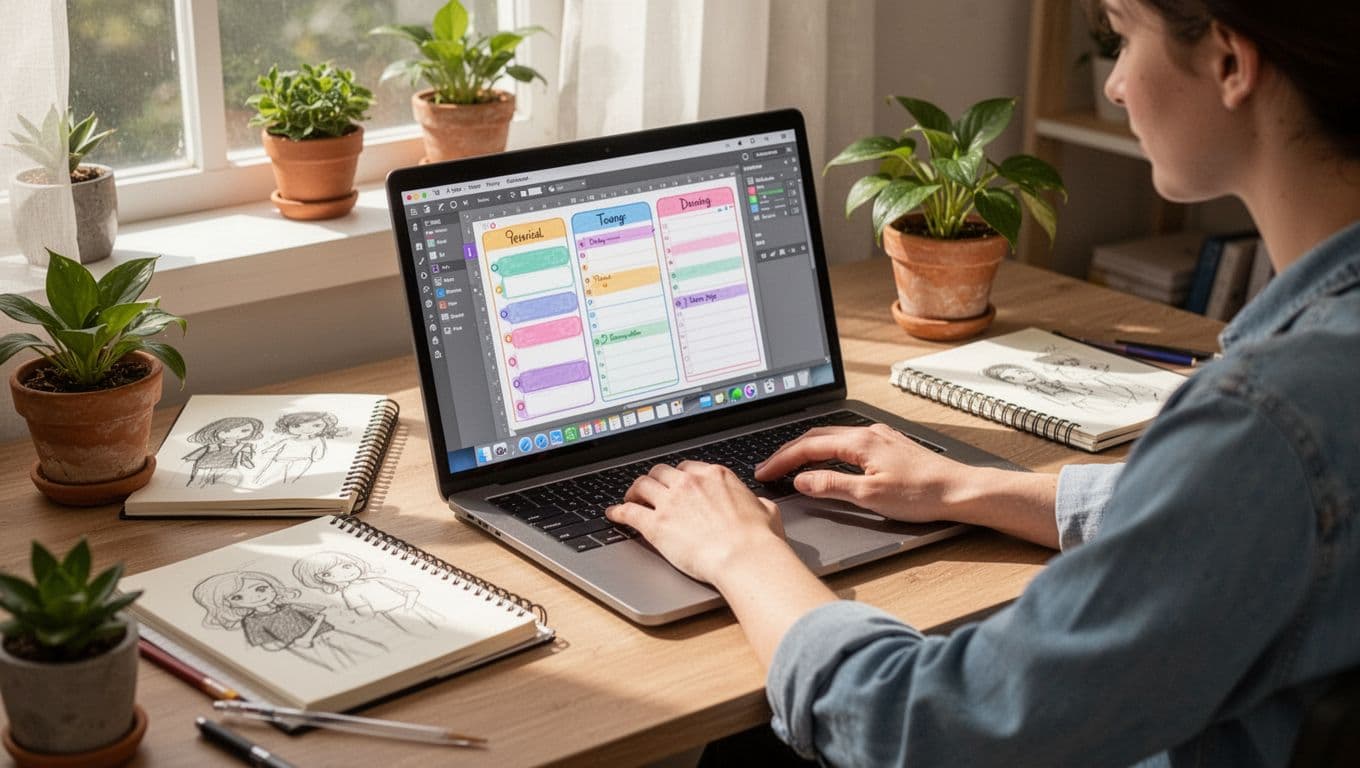
I’d use free tools first. Canva’s free tier can handle simple designs. Gumroad lets beginners sell without paying upfront. YouTube can work as a free traffic source, and some course platforms offer free starter plans. If you’re curious about setup, this Gumroad beginner guide shows how simple the first launch can be.
The first product usually won’t be a home run. That’s normal. The point is to learn what people click, save, and buy.
Affiliate content and UGC can work well if you like making helpful posts or short videos
Affiliate marketing sounds more complex than it is. You recommend something useful, share a tracked link, and earn a commission if someone buys.
I like affiliate content best when it helps first and sells second. Show how a product works. Compare two options. Share what you liked, what you didn’t, and who it’s for. Free channels like TikTok, Instagram, YouTube, and even a simple blog can work.
UGC, short for user-generated content, is another smart option. Brands pay creators to make product videos they can use in ads or on social media. You don’t need a huge audience for this. You need clear video, decent lighting, and content that feels natural.
If you use affiliate links, be upfront about it. Amazon has its own Associates disclosure help, and it’s worth reading before you post. A clear disclosure builds trust, and trust is what makes content earn over time.
Avoid scams, choose one path, and give it enough time to work
This is the part too many people skip. Excitement is good, but bad offers can waste days or drain your bank account.
I always slow down when money feels “easy.” Real work-from-home income exists, but fake jobs dress up like shortcuts.
Red flags can save you from fake jobs and pay-to-join offers
Watch for signs that something is off:
- They ask for an upfront fee before you can start.
- The job post is vague about duties or pay.
- They pressure you to act fast.
- They want sensitive personal details too early.
- They promise big money for almost no work.
A real client wants help getting work done. A scam wants access, fees, or urgency. That difference matters.
If someone wants payment before they give you work, I’d walk away.
Pick one method, set a simple weekly plan, and improve as you go
The best plan is boring, simple, and repeatable. Pick one method based on where you are right now.
If you need quick cash, start with surveys, testing gigs, or microtasks. If you already have usable skills, choose freelancing or VA work. If you can wait for slower growth, build a small digital product or start posting helpful affiliate or UGC content.
My first-week plan would look like this:
- Make one profile or one product page.
- Apply to five jobs or publish one useful piece of content.
- Track what gets replies, clicks, or views.
Then repeat next week. Consistency beats hopping between ten ideas.
Getting paid from home with no startup cost is real, but the best method depends on your time, skills, and patience. I’d start with the path that feels easiest to do this week, not the one that sounds most impressive.
Small cash options can help now. Freelancing and VA work can turn into steady client income. Digital products, affiliate content, and UGC can grow slower, but they have more room to scale.
Pick one lane today, give it honest effort, and let momentum do its job.