Want to make money online without packing boxes, chasing clients, or renting storage space? That’s exactly why digital products pull so many people in.
A digital product is simply something you create once and sell again and again online. Think planners, templates, mini guides, spreadsheets, or short courses. Buyers download them instantly, and you don’t touch inventory at all.
That’s the appeal of digital products. They can become low-maintenance income over time. Still, passive income isn’t instant. First, you do the setup work. Then you improve what sells, automate delivery, and let the product do more of the heavy lifting.
If you’re new, keep it simple. Start with one small product, solve one clear problem, and use one easy platform. That’s the smartest path into digital products passive income ideas for beginners, and it’s a lot less stressful than trying to build a whole online empire in week one.

Start with digital products that are simple to make and easy to sell
Beginners often get stuck because they pick the hardest option first. A full course sounds exciting. A membership site sounds smart. Yet both can eat up weeks before you earn a dollar.
Simple products work better at the start because they teach you faster. You learn what people click, what they buy, and what they ignore. That feedback matters more than fancy branding.
Printables, checklists, and planners are great first products
Printables are one of the easiest ways to begin. They cost very little to make, don’t need advanced tech skills, and you can test them quickly on Etsy, Gumroad, or Payhip.
Popular examples include budget planners, meal planners, cleaning checklists, wedding planners, habit trackers, packing lists, and homework schedules. These products sell because they help people feel less scattered. In other words, they turn chaos into a plan.
Canva is a great starting tool because it feels less like design software and more like drag-and-drop building blocks. You can make a useful first product in a weekend, then improve it once buyers react. Recent 2026 passive income idea roundups still show strong interest in digital downloads, even as bigger products like courses keep growing.
The best part is speed. You can create one printable, list it, and see if real buyers respond. That beats spending a month guessing.
Templates and mini guides can turn basic skills into sales
Not every beginner wants to sell printables. That’s fine, because simple templates and short guides also work well.
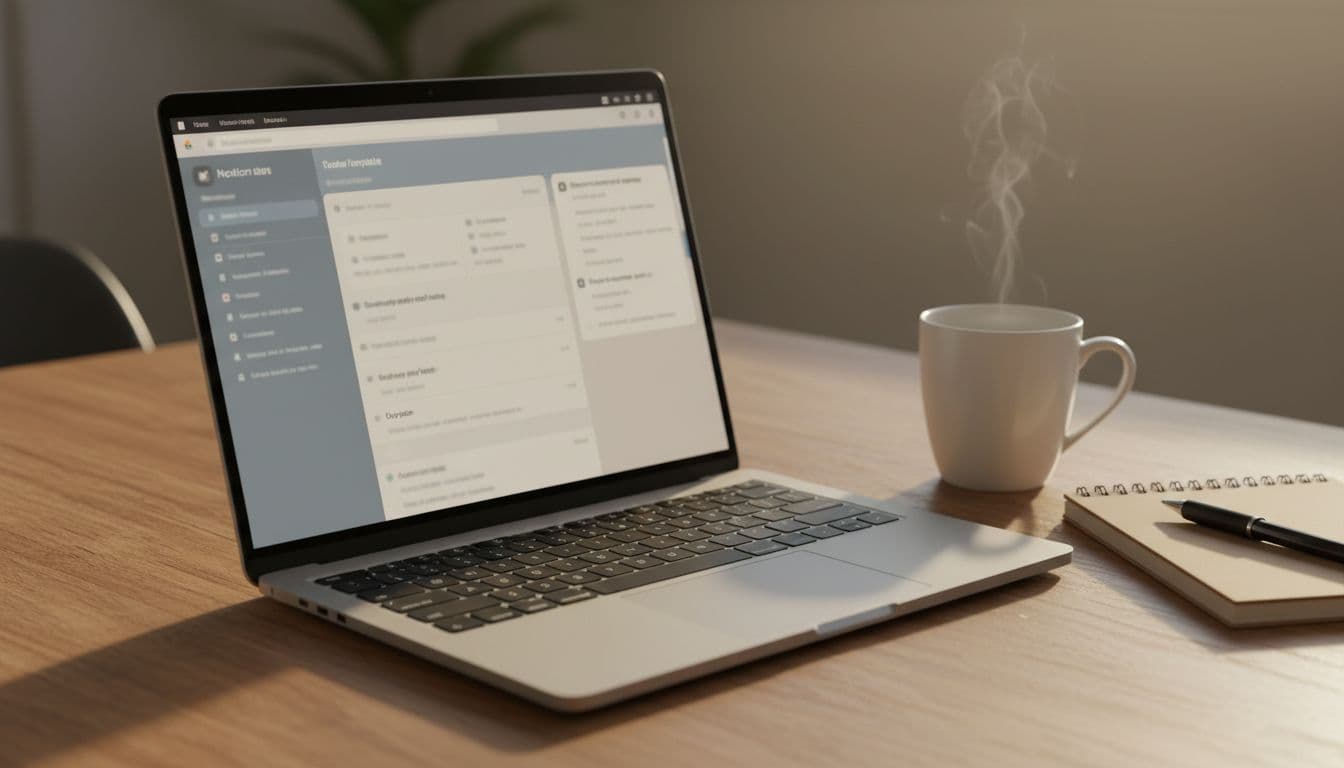
A Notion template can help someone plan content or manage tasks. A spreadsheet can track debt, savings, or side hustle income. A resume template can help job seekers move faster. Even a short guide, like a 12-page meal prep ebook or a quick freelance pricing guide, can be useful enough to sell.
Most beginner products in this category land in the $5 to $30 range. That’s a good thing. Lower prices reduce buyer risk, and they help you get those first sales and reviews.
Current 2026 trend coverage keeps mentioning e-books, AI prompt packs, and templates as fast-growing categories. You can see that in this 2026 digital product trend article. Still, beginners do best when they choose the smallest version they can finish well. A mini guide usually beats an unfinished masterpiece.
Pick a product idea people already want, not just one you like
A lot of beginners build from personal taste alone. That’s risky. You might love color-coded planners, but if buyers want a simple debt tracker, your favorite idea won’t carry the day.
Start with demand, then add your spin.
Look for small problems people want solved fast
The best-selling digital products usually do one of three things. They save time, reduce stress, or help someone stay organized.
That’s why narrow products often beat broad ones. A study planner for nursing students is stronger than a generic student planner. A moving checklist for first-time renters is clearer than a general life organizer. A content calendar for solo real estate agents is easier to buy than a planner “for everyone.”
Try to picture the buyer’s bad Tuesday. What feels messy? What takes too long? What keeps getting forgotten? That’s where good product ideas hide.
You can also learn a lot from real buyer language. Browse recent r/passive_income discussions and look at how beginners talk about money, time, and frustration. Those phrases often turn into better product titles and descriptions.
Use marketplaces and search bars to spot winning ideas
You don’t need deep market research. You need simple clues.
Search Etsy and watch the suggestions that pop up. Check Gumroad listings in your niche. Look through Amazon KDP categories for short guides and workbooks. Then scan Pinterest, TikTok, and Reddit comments to see what people save, share, and complain about.

Pay attention to patterns. If you keep seeing wedding planners, ADHD-friendly checklists, savings trackers, and content calendars, that’s a signal. Reviews help too. Buyers often tell you what they liked, what felt confusing, and what was missing.
Don’t copy what already sells. Study it, then make your version clearer, easier, or more specific.
That’s how beginners move from guessing to making products people already want.
Set up your first product so it can sell with less daily work
This is where the passive part starts to make sense. Not at the idea stage, and not while you’re still fiddling with fonts. It happens when the product is live, delivery is automatic, and buyers can purchase without needing you to step in.
Choose one beginner-friendly platform and keep your setup simple
Start with one platform first. That saves time, reduces confusion, and keeps your energy in the right place.
This quick comparison makes the decision easier:
| Platform | Good first product | Why it works for beginners |
|---|---|---|
| Etsy | Printables, planners, checklists | Built-in search traffic |
| Gumroad | Templates, guides, prompt packs | Very simple checkout and delivery |
| Payhip | E-books, templates, downloads | Easy store setup and low friction |
| Teachable or Thinkific | Mini courses | Better when you already have proof of demand |
If you work a full-time job, a low-maintenance setup matters even more. This 2026 guide for busy professionals makes the same point clearly: simple systems beat complicated ones.
Your product page doesn’t need to be flashy. It needs three things, a clear title, strong preview images, and a short description that explains the benefit fast. Tell buyers what problem it solves and who it’s for. That’s enough to start.
Create once, then automate delivery, emails, and basic promotion
Automation is what turns a side project into something lighter to manage. Once your file is uploaded, the platform can handle checkout, payment, and delivery for you.
After that, set up a basic welcome email or download note. You can also add one related product as a follow-up offer. For example, someone who buys a budget planner might also want a debt tracker or monthly bill sheet.
Promotion doesn’t need a big budget either. Pinterest pins can keep sending traffic over time. Short TikTok videos can show how the product helps in real life. A simple blog post can pull in search traffic. An email freebie can grow a list before you have many products.
Passive income starts with active setup, then grows through systems and steady updates.
In 2026, trend reports keep spotlighting courses, e-books, AI prompt packs, and templates. Still, the smartest beginner move is to launch one useful product first, not build a giant catalog.
Avoid the mistakes that keep most beginners from making sales
Most beginners don’t fail because digital products are a bad idea. They fail because they make the process too big, too vague, or too slow.
Don’t start with a huge course or a dozen products at once
A giant course feels important, but it can trap you. You spend weeks outlining lessons, recording videos, and second-guessing everything before you know if anyone wants it.
Small products teach faster. A printable, template, or mini guide can get real-world feedback quickly. Once buyers respond, you can improve that product or create a related one. That’s how a simple shop turns into a real catalog.
Current 2026 trend data shows online courses can be very profitable. Even so, they’re rarely the best first step for someone starting from zero.
Focus on usefulness, clear design, and steady testing
Many first products don’t sell because the title is weak, the cover image looks messy, or the product tries to help everyone at once.
Clarity wins. A clean design wins. A product that solves one problem wins.
Test your title. Improve your thumbnail. Try a better description. Raise or lower the price a little. Bundle two related downloads together. These small changes can do more than creating five new products.
Perfection is a trap. Progress makes sales.
Conclusion
The best digital products passive income ideas for beginners are usually the simplest ones. They solve one problem, look clear, and deliver fast.
You don’t need expert status, expensive tools, or a huge audience to start. You need one useful idea, one platform, and the nerve to publish before everything feels perfect.
So keep it small this week. Pick one real problem, make one helpful digital product, and list it. That’s how passive income starts, not with a grand plan, but with one finished product that someone can buy today.