
One sold-out show can turn a small ticket buy into a nice payday. That’s why the reselling concert tickets side hustle gets so much attention.
Still, I don’t see it as easy money. It’s closer to running a tiny trading desk from home, where timing, rules, and fees matter as much as demand. One smart buy can work out well, but one bad event can trap my cash fast.
If I were starting in 2026, I’d want a clear view of how the money works, what laws matter, and how to test the idea without getting burned. That’s where I start.

How the reselling concert tickets side hustle actually makes money
At its core, ticket resale is simple. I buy tickets at face value, or close to it, and sell later if demand rises. The profit gap comes from scarcity. When fans miss the first drop and still want in, resale prices can climb.
The catch is that not every show moves that way. Artist demand matters. Seat location matters. Timing matters. Fees matter even more than most beginners expect.
From current 2026 research, part-time sellers often land around $100 to $500 per month in profit after fees. More active sellers can make $500 to $3,000 monthly, while experienced operators sometimes go far higher. At the same time, losses are real. If hype fades, the market can fall below face value.

I think of it like buying airline seats before a holiday rush. Some flights fill up and prices pop. Others sit there. Concert tickets behave the same way, except emotion pushes this market even harder.
Where people find tickets before prices jump
I would start with official channels, because that lowers scam risk and gives me the best shot at strong margins. That means public on-sales, artist fan club access, venue newsletters, promoter presales, and cardholder offers from Amex or Mastercard.
Presales are often where the edge lives. If I can get into a fan club window or venue email drop, I may buy before the wider crowd piles in. That’s a huge advantage.
I also like official sources because transfer rules are clearer. When I buy from the primary market, I usually know what I own and when I can move it.
What eats into profit before a sale is final
This is where many beginners get surprised. Gross profit looks exciting, but net profit tells the truth.
StubHub seller fees often hover around 15%, though they can change by event. SeatGeek and Vivid Seats also use percentage-based fee structures, and rates can shift. On top of that, I have to factor in payment holds, sales tax, transfer timing, and the chance that prices drop while my listing sits.
For a quick comparison of marketplace options, I like checking resources such as best websites to resell tickets in 2026. I still verify the platform’s own rules before I list.
I only count profit after every fee, tax, and payout delay is on the table.
The legal rules and platform policies I would check before selling a single ticket
This is the part I would never skip. Ticket resale is legal in many states, but the rules are not the same across the US.
At the federal level, the BOTS Act bans using bots to dodge ticket limits and scoop up inventory unfairly. The FTC has a useful BOTS Act refresher, and its earlier first enforcement cases under the law show this isn’t an empty rule.
In 2026, lawmakers are paying close attention again. The recent Senate hearing on ticket sales practices and bot resales shows how much pressure is building around fees, bots, and resale conduct.
State law matters too. A broad state-by-state resale law summary can help me spot issues before I buy. In California, AB 1349 has drawn major attention because it would require sellers to already have the ticket before listing it. As of early 2026, it passed the Assembly and moved to the Senate.
Why listing tickets you do not own can get you in trouble
Speculative selling sounds harmless until something goes wrong. It means listing a ticket before I actually own it or control the right to transfer it.
That creates a chain of problems. If delivery fails, the buyer wants a refund. The marketplace may fine me or shut my account. In stricter states, the legal risk also rises. California’s proposed rules are a good example, and this overview of California ticket resale rules for 2026 shows how ownership and disclosure are getting more attention.
My rule is simple. If I can’t transfer the ticket, I don’t list it.
How to avoid bans, chargebacks, and scam complaints
I keep this side hustle boring on purpose. No bots. No fake listings. No fuzzy seat details. No waiting days to transfer a mobile ticket after I get paid.
I would save proof of purchase, disclose the exact seat when required, and use trusted marketplaces. I would also read each site’s seller rules before posting anything. One policy violation can wipe out months of work.
That matters because resale platforms protect buyers first. If my listing is sloppy, the platform usually won’t give me the benefit of the doubt.
How you can spot events that have real resale potential
The best flips come from demand, not hype. I don’t chase every big artist name. I watch for signs that fans are scrambling and supply is tight.
In 2026, some of the biggest names drawing attention include Oasis, Bad Bunny, Florence + The Machine, the Eagles residency, Journey, and Noah Kahan. Those can have real upside, especially in major markets and on weekend dates. Still, no event is a guaranteed win.
What I like most are events with a strong fan base, limited dates, and clear momentum. A single New York or Los Angeles stop often behaves differently than a long tour with extra room to add shows.
The signs a concert might rise in value
I pay attention to waitlists, presales that disappear fast, strong social chatter, and small venues. If an artist adds dates because the first show sells out in a flash, demand is real.
Seat type also changes the math. Floor seats can explode in price, but they cost more upfront. Lower-bowl seats often attract a wider group of buyers. Aisle seats and clean sightlines can sell faster than random upper-level inventory.
I also watch the resale market itself. If listings disappear and the cheapest price keeps moving up, that’s a healthy sign.
Red flags that can leave you stuck with a loss
Weak weekday demand is one of my biggest warnings. Tuesday night shows in soft markets often sit. So do events with too many resale listings right after the on-sale.
Added second shows can cool prices fast. Falling buzz can do the same. High face values are another trap, because there may be no room left for profit after fees.
A famous artist doesn’t always mean a good flip. Sometimes the star is big, but the market is already saturated.
A simple beginner plan to test this side hustle without getting burned
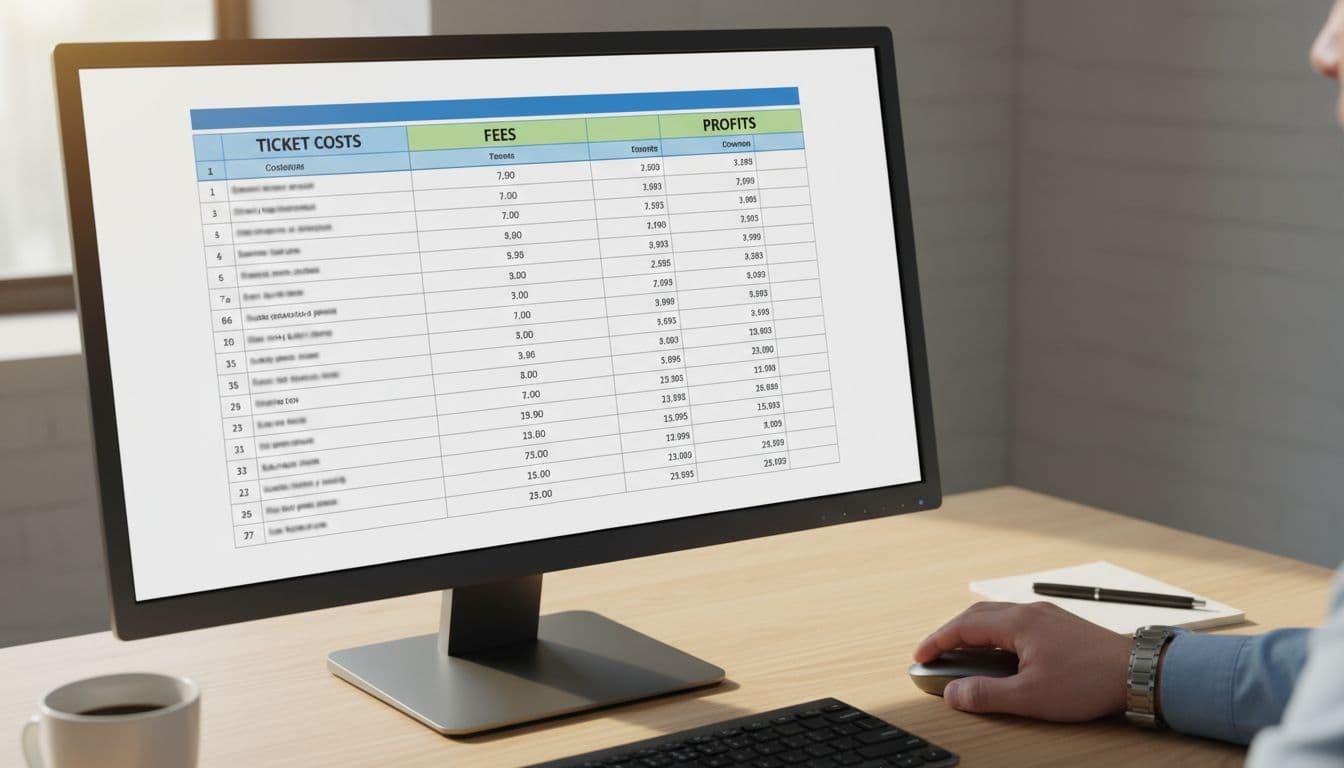
If I were testing this today, I would start small. Think $200 to $500, not a huge bankroll. I would buy for one or two events only, then track every move in a simple spreadsheet.
That small test reveals a lot. I can see how fast tickets sell, how fees hit my margin, and how much stress I feel when prices move. This side hustle rewards people who stay organized and calm.
Before using any marketplace, I would review the current Vivid Seats seller terms and do the same on StubHub and SeatGeek. Rules change, and old advice gets stale fast.
How to set a budget, track fees, and price for a real profit
I use one simple formula: purchase price plus fees plus taxes equals true cost.
Here’s how I would frame a basic listing:
| Item | Amount |
|---|---|
| Ticket cost | $120 |
| Purchase fees and tax | $24 |
| True cost | $144 |
| Sale price needed after a 15% seller fee | About $170 |
The takeaway is simple. If I list at $150 because it “feels profitable,” I may still lose money.
I like round-number pricing because buyers scan fast. Then I adjust as the event gets closer, but I don’t panic. I set an exit rule ahead of time. For example, if the market softens seven days before the show, I cut my price and move on.
When this side hustle is worth trying, and when it is not
I think this works best for people who already follow live events, notice tour news early, and don’t mind tracking prices. If I enjoy the market itself, the work feels lighter.
On the other hand, I would not rely on this for steady weekly income. Cash flow is uneven, losses happen, and some inventory can sit longer than expected. If I hate risk or hate monitoring changing prices, I’d pick a different side hustle.
One great show can create real profit. That part is true. But reselling concert tickets side hustle income comes from discipline, not magic.
If I were starting now, I’d first check my local resale rules, sign up for a few official presales, and test one small event with money I can afford to tie up. That’s the safest way to learn the market.
Then I’d ask myself one honest question: do I want a side hustle that feels like a small business, or one that pays the same every week? That answer tells me whether ticket resale fits.