Memes aren’t throwaway jokes anymore. They’re part of online culture, and when I treat them like media, they can become a real business.
That’s the big shift behind making money off memes. Not every post earns. Most don’t. But the right meme, on the right platform, with the right plan, can turn attention into income. I’ve seen that happen through content pages, brand deals, print-on-demand merch, UGC work, licensing, and, for people who like risk, even crypto and NFT plays.
The catch is simple: laughs alone don’t pay. First, I need a meme people want to share. Then I need a path that turns that share into something useful.
Start with meme formats that people already love to share
When I start a meme project, I don’t begin with money. I begin with spread. If a format doesn’t travel, it won’t earn.
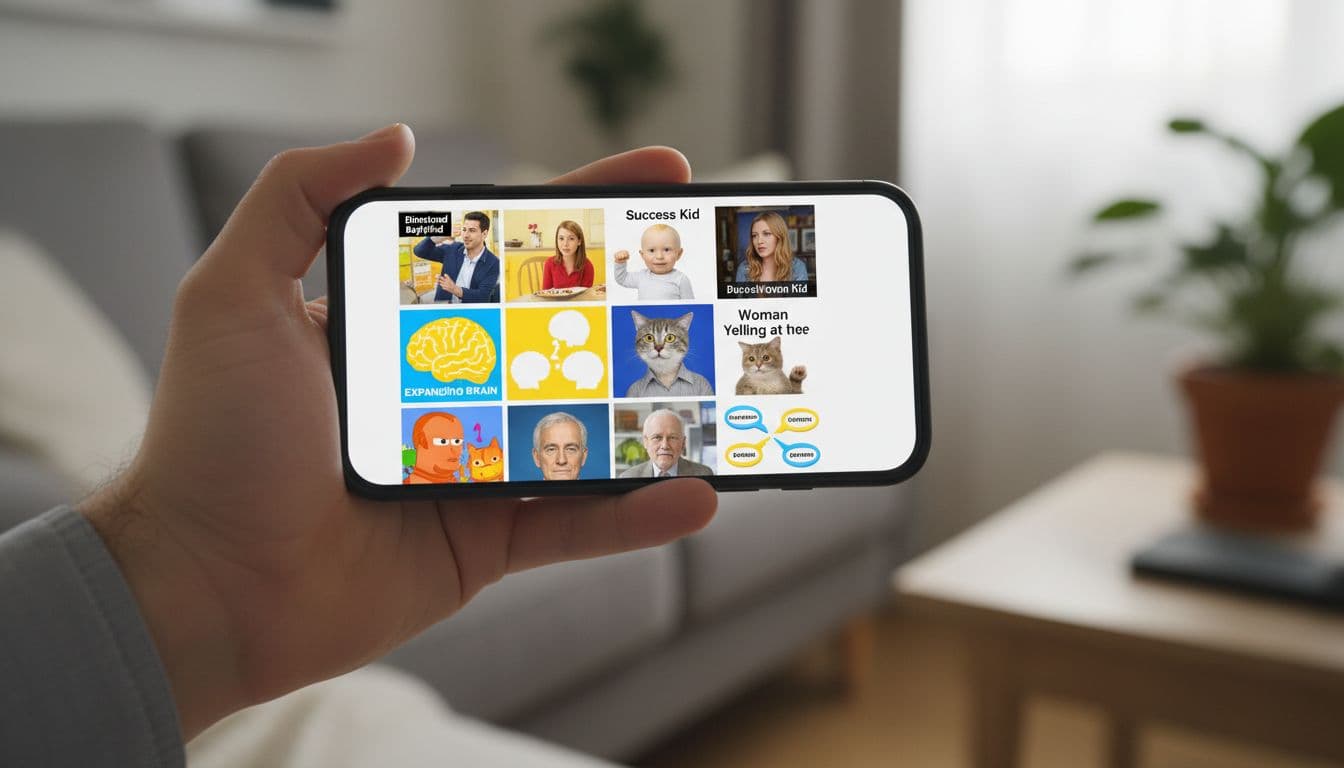
In April 2026, short meme videos are getting far more reach than static image posts, and many trends fade within 24 hours. So I move fast, post when my audience is active, and build around formats that are easy to remake again and again.
Pick a niche so your meme page attracts the right audience
Broad meme pages can grow, but niche pages often monetize faster. That’s because people know why they follow, and brands know why they should pay.
I like niches with built-in identity. Work humor, student life, gaming, pets, sports, dating, finance, parenting, and local city jokes all work well. A page about “office pain” gives me a cleaner audience than “funny stuff.” That matters when I pitch sponsors or sell merch later.
A niche also shapes the humor style. Finance memes can be dry and sharp. Pet memes can be wholesome. Dating memes often win with pain plus truth. Once I find that tone, I keep it steady so followers feel at home.
If I need examples of how creators structure meme-page income, I like scanning this meme page monetization guide for model ideas.
Learn the difference between a funny post and a money-making meme
A funny post gets a laugh. A money-making meme gets a result.
I watch share rate first, because shares pull in new people. Then I check saves, comments, reposts, follows, link clicks, and profile visits. If a meme makes people tag friends or visit my bio, it’s doing business work, not only entertainment work.
Original takes matter here. Repost pages can grow fast, but they have weak roots. If my page depends on other people’s jokes, it’s easy to copy and hard to defend. When I add my own angle, timing, caption style, or recurring format, I build an asset instead of a scrapbook.
Attention is not income until I give it a path.
Use the easiest ways to turn meme traffic into income
Once I have traffic, I keep my first income streams simple. I don’t need a big budget. I need a clear offer and an audience that trusts me.
Grow a meme page and earn from brand deals, shoutouts, and affiliate links
This is the easiest place to begin. A meme page on Instagram, TikTok, YouTube Shorts, Facebook, or X can earn from sponsored posts, paid shoutouts, affiliate links, and platform revenue programs when available.
A huge audience helps, but it isn’t required. I’ve seen small pages with tight engagement do better than bigger pages with lazy followers. If 8,000 people care, comment, and click, that’s worth more than 80,000 people who scroll past.
Brand deals usually start small. A local app, clothing shop, newsletter, or creator pays for a meme-style promo. The best ones match the page. A gaming meme page can sell headsets. A student meme page can push study tools. A work-humor page can promote job boards or resume help.
Affiliate links work the same way. I place them in a bio, link hub, pinned comment, or caption where the platform allows it. Then I track what converts and cut what doesn’t.
For platform-specific ideas, this TikTok monetization guide is useful, especially if you’re building short-form content first. A recent 2026 meme page growth video also lines up with what I’m seeing now: fast trends, more video, and stronger results from real voice over generic posts.
Sell meme merch without holding inventory
Merch is fun because it turns an inside joke into something physical. A good meme shirt feels like wearing a secret handshake.
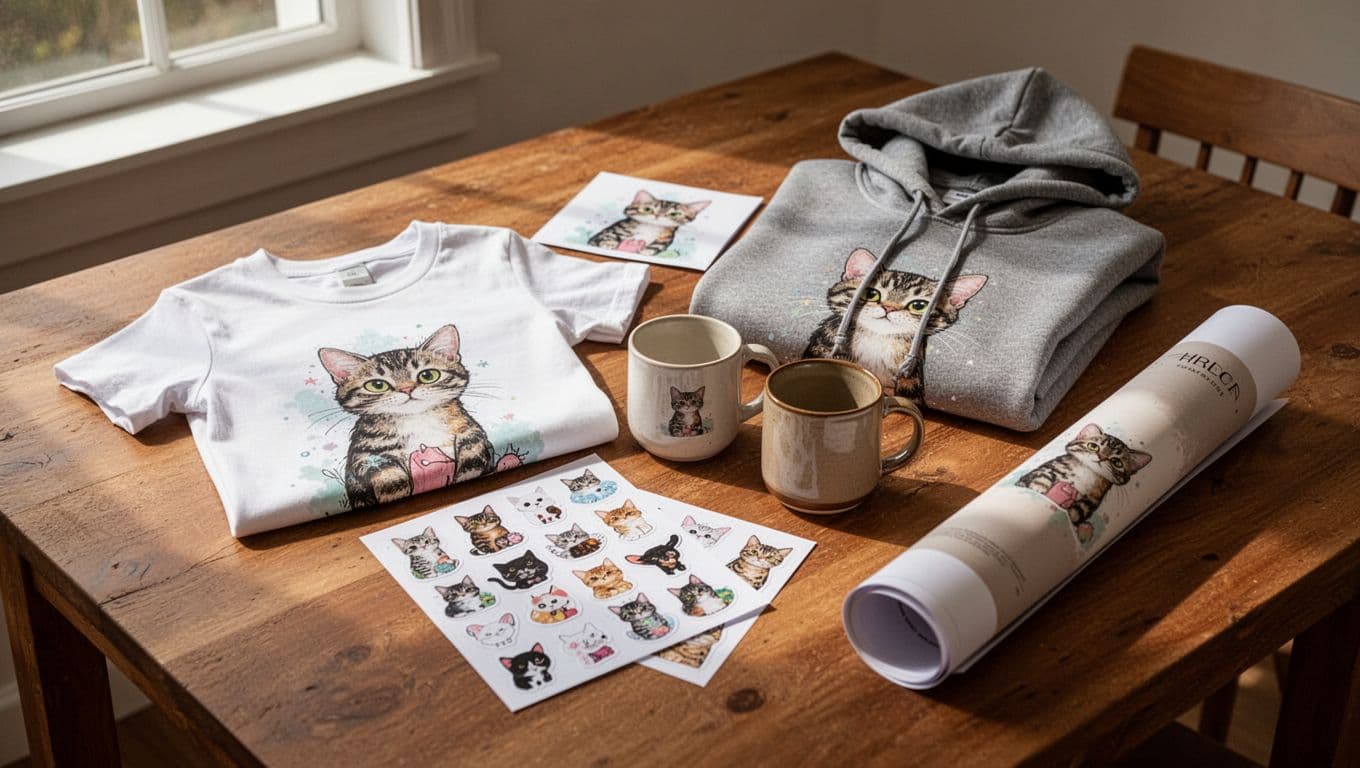
Print-on-demand lets me sell shirts, hoodies, mugs, stickers, and posters without buying stock up front. When someone orders, the platform prints and ships it. That keeps risk low, which matters when I’m testing new ideas.
The trick is not the product. It’s the joke. Broad slogans are forgettable. A line that my audience already repeats in comments has a much better shot. If people quote it back to me, I pay attention.
I also stay careful with rights. I don’t slap protected characters, company logos, or stolen meme images on products and hope for the best. That’s how stores get pulled down. If I want to explore options, I compare suppliers with Shopify’s print-on-demand companies guide and look at examples of custom meme merch on Printful.
Turn your meme skills into paid work for brands and small businesses
This path gets ignored, but I think it’s one of the best. If I can make memes that feel native to the internet, I can sell that skill.
Brands want meme-style marketing because polished ads often look stiff. A smart meme feels like it belongs in the feed. That makes it easier to share and less likely to get skipped. Small businesses feel this even more. They need attention, but they don’t have agency budgets.
So I build a tiny portfolio. I make sample meme ads for imaginary brands or rewrite weak posts into sharper ones. Then I reach out directly. I don’t pitch “social media help.” I pitch one thing, such as meme posts, short-form UGC scripts, comment-section content, or ad creatives that match platform humor.
This work can beat page monetization early on because it pays before my own audience gets big. In other words, my meme sense becomes the product.
Protect yourself before you try to cash in on a viral joke
Memes move fast. Legal trouble and platform risk move fast too. If I want lasting income, I have to keep both in view.
Know when a meme is fair use, licensed, or off-limits
A lot of memes are built on images owned by someone else. Posting them for fun is one thing. Selling them is another.
Copyright can cover the original photo, video, or artwork. Trademarks can cover logos and brand marks. Rights of publicity can protect a person’s name or likeness. That means the same meme that got laughs on a feed can create problems on a hoodie, ad, or product page.
I keep it simple. Original content is safest. Licensed stock is safer than random internet grabs. Clear permission beats guesswork every time. If I want the legal basics, I check the U.S. Copyright Office Fair Use Index and this plain-English meme copyright explainer.
Fair use exists, but it isn’t a magic shield. If money is involved, I don’t like building on hope alone.
Don’t build your whole income on one platform or one trend
Platform risk is real. Reach drops. Accounts get flagged. Trends die. A repost page that looks hot today can feel empty next month.
So I spread out. I post on more than one platform. I collect emails when I can. I build a simple site or landing page. I save winning ideas in a swipe file so I can remake the format with new angles later.
Most importantly, I build a voice, not only a feed. Repost pages are easy to clone. A page with a clear point of view is harder to replace. That brand voice is what survives when algorithms change.
Look at higher-risk meme money plays with your eyes open
Some readers want the spicy stuff, and I get it. Meme coins and digital collectibles still pull attention in 2026. But I don’t treat them as beginner income streams.
Meme coins can explode fast, but they can also crash just as fast
Meme coins run on community hype, speed, and story. On Solana, launchpads like Pump.fun and Bonk-related projects still get attention in April 2026, and new tokens can appear overnight. That’s part casino, part internet culture, part crowd psychology.
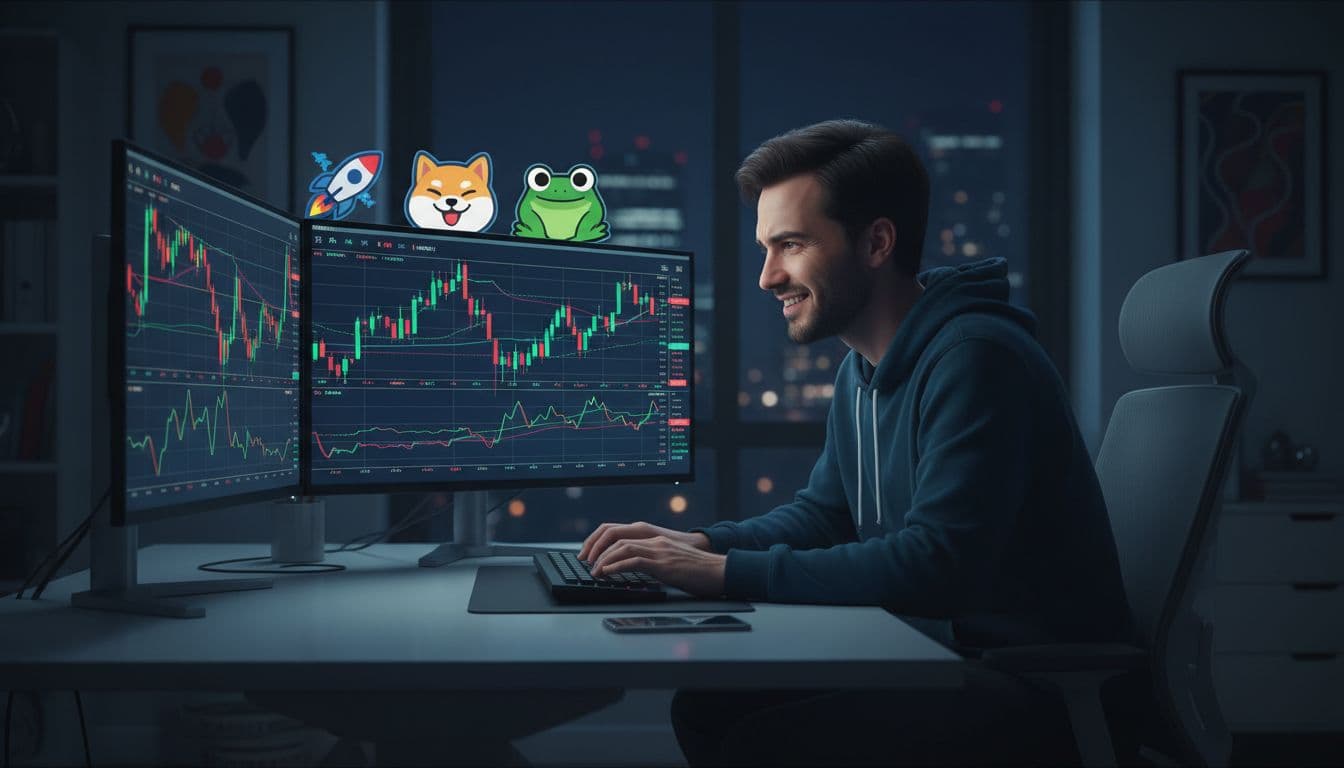
That’s also why they can wreck people fast. Rug pulls, fake hype, thin liquidity, and panic selling are common. If I ever touch this space, I treat it like high-risk speculation, not stable income. I never confuse viral buzz with value.
For basic research, I review roundups like this April 2026 meme coin watchlist and broader 2026 meme coin research, then assume I could still lose everything.
NFTs and digital collectibles still work best when a real fan base comes first
NFTs are no longer easy money. That gold-rush phase is gone.
I still think digital collectibles can work when they connect to original art, real community perks, events, or fandom culture. If a meme creator already has loyal followers, limited collectibles can make sense. If not, they usually land with a thud.
That’s why I put audience first. Trust first. Original work first. A collectible should be the receipt for a fan relationship, not a shortcut around building one.
Memes can make money, but only when I stop treating them like random luck. The best move is to build an audience around a clear niche, post original ideas in repeatable formats, and test one simple income stream before chasing ten.
If I had to pick the safest starting point, I’d choose page growth plus brand deals, affiliate links, or service work. Then I’d protect my work, spread my risk, and stay careful with rights.
That’s the real edge in making money off memes. I don’t need one viral jackpot. I need a system that turns jokes into media, and media into income.