Want a real way to earn online without coding, a huge budget, or years of experience? Right now, make money from home using AI tools is a practical goal for beginners, but only if you treat it like work, not magic.
That’s the big shift in 2026. Free and low-cost tools can speed up writing, design, video, and simple business tasks. Still, the people getting paid aren’t just pushing buttons. They’re choosing clear offers, fixing weak AI output, and solving small problems for real buyers.
This guide keeps it simple. You’ll see the best beginner-friendly paths, the tools that help most, how to land your first sales, and the mistakes that waste time.
Start with the easiest AI income paths for beginners
You do not need to try every AI side hustle at once. Pick one path that fits your strengths, then give it a real shot for 30 days. That beats hopping between ten shiny ideas.
Offer AI-assisted writing and content services to small businesses
This is one of the fastest ways to start because local businesses always need words. Think blog posts, social captions, product descriptions, email copy, and simple articles. Tools like ChatGPT, Jasper, and Grammarly AI can speed up the first draft, but your job is to make it sound human and useful.
A bakery doesn’t want “AI content.” It wants five social posts that bring in orders. A plumbing company doesn’t want fluff. It wants a clear service page. That’s where you win.
Beginner pricing can stay simple. Charge $25 to $75 for short social packages, $40 to $100 for product description batches, and $75 to $200 for basic blog posts. Fast turnaround helps new freelancers get early reviews. For a broad look at what beginners are trying now, this beginner’s step-by-step guide gives useful context.
Sell AI art, print-on-demand designs, and digital downloads
If you lean creative, AI art can become a simple home business. You can make wall art, shirt designs, planners, stickers, clip art, and social templates with Midjourney, DALL·E, and Canva AI. Then you can sell them on Etsy or Shopify, or connect products to Printful for print-on-demand.
The biggest beginner mistake here is waiting for one perfect product. More often, stores grow because they publish lots of solid listings around one niche. For example, a shop with 60 clean nursery prints usually beats a shop with three random designs.
This path takes patience. Sales may start slow. Still, digital products can stack over time, which makes this a smart option for people who like building assets.
Build simple chatbots and automations for local businesses
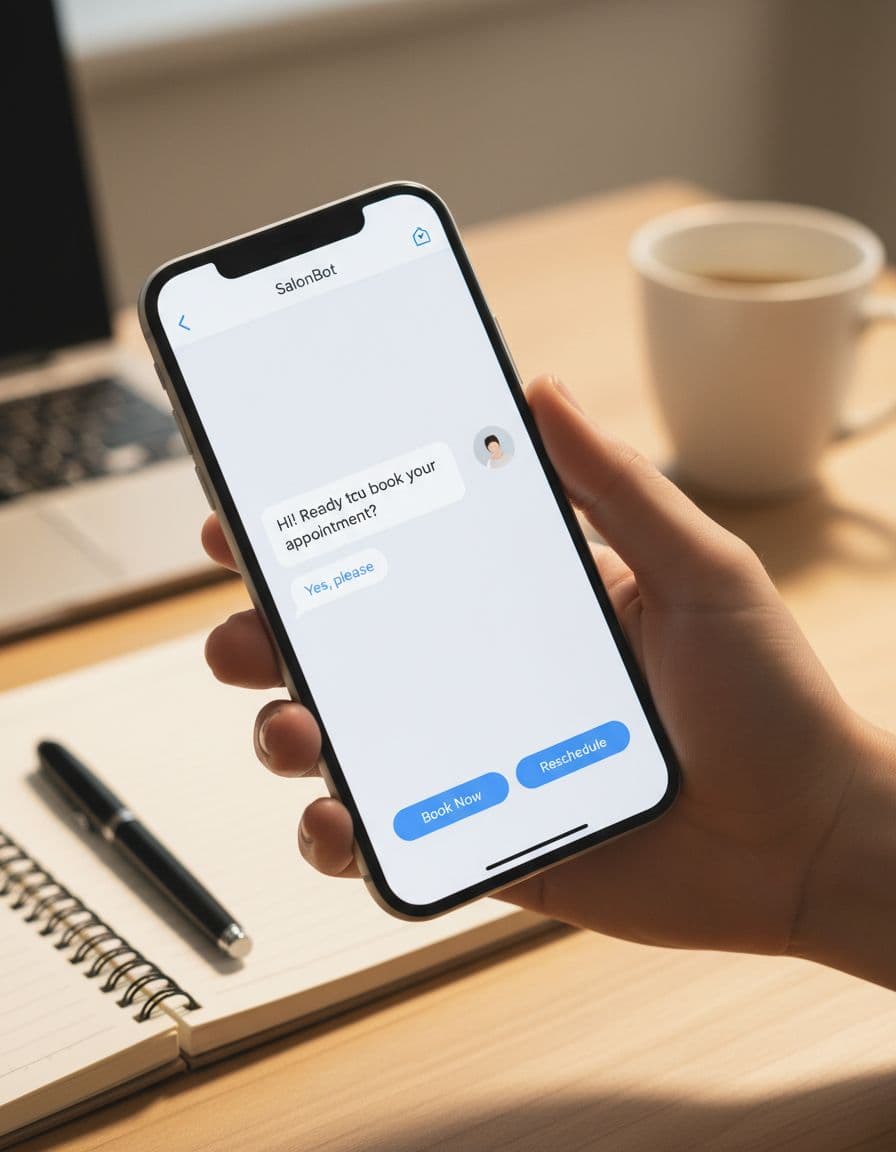
You do not need to be a developer to do basic setup work. Many salons, dentists, coaches, and home service companies need simple tools, not fancy software. A FAQ bot, lead form, appointment helper, or follow-up sequence can save them hours every week.
That’s why no-code tools matter. Voiceflow, Landbot, and Zapier AI let beginners connect forms, messages, and simple workflows without writing code. Your offer could be as small as “I’ll set up a basic website chatbot for common customer questions.”
Clients pay for less missed business. If a bot helps a salon answer booking questions after hours, that has value right away.
Create faceless videos and social content with AI
This path is popular for a reason. AI can help with scripts, voiceovers, captions, and editing. Tools like ElevenLabs, InVideo AI, Pictory, and CapCut cut down the production time.
Still, the tool is not the star. Good topics, strong hooks, and steady posting matter more. A simple review channel, local tips account, or explainer page can grow if the content solves a clear need. In March 2026, beginner-friendly stacks still center on low-cost tools like ChatGPT, Canva, Gemini, and CapCut because they’re easy to learn and fast to test.
AI saves time, but people pay for results, not prompts.
Pick one method, one audience, and one tool stack first
Too many beginners stall because everything looks possible. The fastest path is smaller. Choose one offer, one type of customer, and a short tool list.
Choose a money method that fits your skills and time
If you like writing, start with AI content services. If you enjoy visuals, try printables or design packs. If you’re organized and patient, chatbot setup may fit better.
Use four filters when you choose. First, check startup cost. Writing services usually cost the least. Next, think about learning curve. Social posts and product descriptions are easier than automations. Then look at time to first sale. Freelance services can pay faster than digital products. Last, decide whether you want one-time income or recurring income.
A chatbot for a dentist may bring setup fees plus monthly support. An Etsy printable may sell many times, but it may take longer to gain traction. For another grounded look at what’s working now, this practical 2026 overview keeps expectations realistic.
Use a small beginner-friendly AI toolkit
Keep your stack lean. One writing tool, one design or video tool, and one workflow tool is enough to start. For many beginners, that means ChatGPT, Canva AI, and Zapier AI. Others may swap Canva for Midjourney or CapCut, depending on the offer.
Too many tools create fake progress. You spend hours testing features, but you never post an offer. Free plans or cheap starter plans are often enough for first sales, which matches current beginner advice around ChatGPT, Canva, Gemini, and Notion AI in 2026.
Turn AI output into something people will pay for
Playing with prompts feels productive. Selling results is better. That shift happens when you package the work clearly, show samples, and price it in a way that helps buyers say yes.
Create a simple offer with a clear result
Clear outcomes sell better than vague promises. “AI content help” is weak. “Five social posts for a local bakery” is easy to understand. So is “basic FAQ chatbot for a salon” or “10 printable wall art files for Etsy.”
Keep the offer small at first. Small offers feel safer to buyers, and they’re easier for you to deliver well. Once people trust you, upsells come naturally.
Make 2 to 3 strong samples before you look for buyers
You do not need clients to build samples. Mock work counts if it looks polished and solves a real problem. Write sample captions for a coffee shop. Build a fake FAQ bot for a dog groomer. Design a printable set for a niche like dorm wall art.
Store those samples in a Google Drive folder, a Canva page, or a one-page site. The goal is simple. Make it easy for someone to see what you can do in under two minutes. This complete beginner’s guide also highlights why examples matter so much early on.
Set beginner prices that win early sales, then raise them
At the start, price for proof. On Fiverr or Upwork, that may mean $25 to $50 starter packages. On Etsy, it may mean lower-priced bundles to build reviews. With direct outreach, you can offer a first-project discount in exchange for a testimonial.
Do not stay cheap forever. Once you get results, raise rates step by step. A package that begins at $49 can move to $99, then $149, once your samples and reviews back it up.
Get your first customers from marketplaces, social media, and direct outreach
You do not need a huge audience. You need places where buyers already look for help, plus a simple habit of showing up each week.
Start where buyers already search for help
Fiverr, Upwork, Etsy, Gumroad, and YouTube already have traffic. That matters because beginners usually struggle more with attention than skill. Existing platforms solve part of that problem.
Titles, samples, and reviews matter a lot there. A clear listing like “Product descriptions for Shopify stores” works better than a vague gig. On Etsy, niche titles and clean preview images help people trust the product fast. On YouTube or TikTok, clear hooks beat fancy editing.
Use simple outreach that focuses on one problem
Direct outreach still works if it feels helpful. Keep the message short. Mention one issue, one fix, and one clear next step. For example, you might tell a local salon that its site has no quick way to answer booking questions after hours, then offer a basic chatbot setup.
Personal touches matter. Mention their business name, one real observation, and one practical result. That feels human, not spammy. If you want extra ideas on beginner routes, this 2026 beginner guide rounds up common paths.
Avoid the beginner mistakes that waste time and money
AI can speed up your work, but it can also make beginners sloppy. A few simple rules will save you months of drift.
Don’t rely on raw AI output without editing and fact-checking
Raw AI output often sounds flat. Worse, it can get details wrong. That’s a problem if you write for clients, build bots, or sell digital products.
Always check facts, tone, and clarity. Read the final version out loud. Cut filler. Fix awkward lines. Add details that match the brand or buyer. Trust grows when your work feels human.
Don’t chase every trend, build one repeatable system
One week it’s faceless videos. The next week it’s AI art. Then it’s some new tool you saw on social media. That cycle burns time.
Instead, repeat one offer until it gets smoother. Improve delivery, collect reviews, and make the next project faster than the last one. A simple system beats random hustle every time.
Starting small is not playing small. It’s smart. Pick one method, learn a few tools, make a few solid samples, post your offer, and do outreach every week. If you keep showing up, your first sale gets much closer than it feels today.