Getting clicks fast feels exciting, especially when I don’t want to wait months for SEO or social media to wake up. That’s why guaranteed solo ad traffic gets so much attention. A seller promises a set number of clicks from their email list, and my offer gets in front of people right away.
Still, the word “guaranteed” can fool beginners. In most cases, the guarantee covers click volume, not leads, not sales, and not profit. If I want solo ads to work, I have to buy with clear eyes, track every step, and avoid junk traffic that only looks good on paper.
That difference is where smart buying starts.
What guaranteed solo ad traffic really means before I spend a dollar
Guaranteed solo ad traffic means I pay a vendor to send my link, usually an opt-in page, to their email subscribers. In return, they promise a fixed number of clicks, such as 100, 200, or 500. That promise sounds strong, but it only tells me how many visitors should arrive, not what those visitors will do next.
In March 2026, the market is still wide open on price. Cheap traffic can show up around $0.30 to $0.40 per click, but solid traffic often lands in the $0.40 to $0.80 range. Premium sellers can charge more, and sometimes that extra cost is fair because their lists are cleaner and better matched.
The core promise is simple: clicks are guaranteed, results are not.
The guarantee is usually clicks, not buyers
This matters because real clicks can still fail. A weak landing page, a boring lead magnet, or poor follow-up can sink the campaign fast.
I separate traffic delivery from business results. If a seller sends the full order and my page converts badly, that isn’t always the seller’s fault. On the other hand, if the clicks come from the wrong audience, the traffic itself is the problem.
Why solo ads still work in 2026 for list building
Solo ads still work because they solve a real problem, speed. I can test an offer this week instead of building an audience for six months.
They also help when ad accounts get restricted or costs rise on big platforms. That said, solo ads aren’t magic. They work best when I use them to build an email list, test hooks, and learn what the market responds to. If I want a broader look at current buyer tactics, this short guide on solo ad success in 2026 lines up with what smart buyers are doing now.
How I spot a good solo ad seller and avoid fake or low-quality traffic
Most solo ad losses happen before the click even lands. If I choose the wrong seller, nothing after that can save the campaign. That’s why I spend more time checking the vendor than writing the swipe.
Signs a seller is worth testing
I look for recent buyer feedback first. Old reviews don’t help much because lists change, inbox habits change, and sellers can burn out a good list faster than most buyers think. I want recent ratings, clear communication, and proof that the seller knows my niche.
If I’m browsing a marketplace like Udimi, I check buyer ratings, repeat orders, and comments that mention opt-in rates or sales, not only delivered clicks. Outside marketplaces, I still want screenshots, tracking proof, and a refund or replacement policy if delivery falls short.
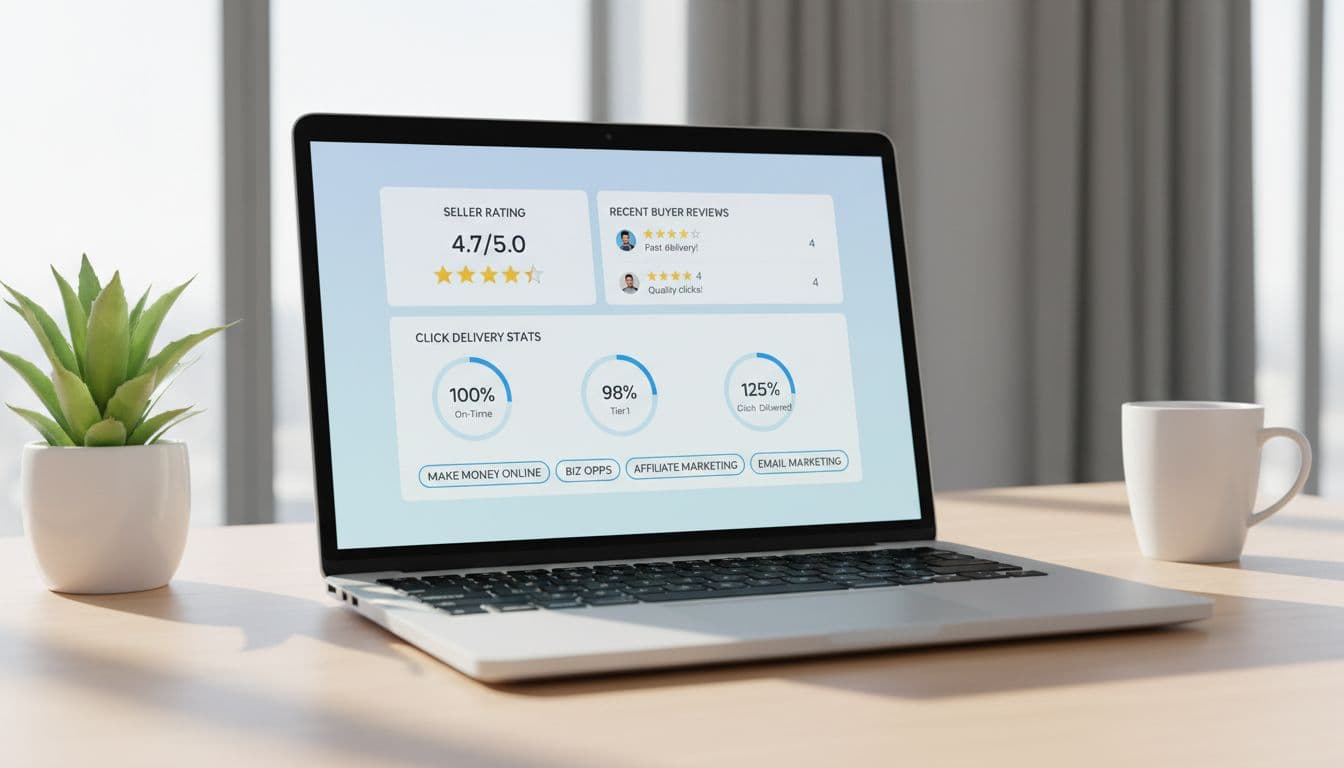
Better sellers often cost more, and I don’t treat that as bad news. In solo ads, ultra-cheap clicks can be like bargain gas for a race car. The engine still runs, but not well. You may also hear names like Traffic For Me, niche list owners, and other private vendors. I keep the same standards for all of them.
Red flags that usually lead to wasted money
I back away when a seller gives vague answers about traffic source, filtering, or list fit. The same goes for sellers who promise huge sales from tiny orders. That pitch sounds fun, but it usually ends badly.
Low prices can be another warning sign. When clicks drop below normal market rates, quality often drops first. Burned lists, bot traffic, recycled clicks, and buyers who are pushed into large packages on day one are all danger signs. If I want a second opinion on what buyers often see in marketplaces, this recent Udimi review is a useful reference point. I also glance at vendor sites such as SharkLeads to compare how openly they explain traffic quality, filtering, and order details.
How I set up a solo ad campaign so the traffic has a real chance to convert
Buying traffic is only half the job. The other half is giving that traffic a simple next step.
Send solo ad traffic to an opt-in page, not straight to a sales page
I almost never send cold solo ad clicks straight to a sales page. Those subscribers don’t know me yet. Asking for a purchase on the first touch is like proposing on a first date. It can happen, but I wouldn’t build a business around it.
Instead, I send them to a clean opt-in page with one promise and one action. I offer a lead magnet that matches the niche, such as a free guide, short training, checklist, or case study. Then I collect the email and let my follow-up do the heavy lifting.
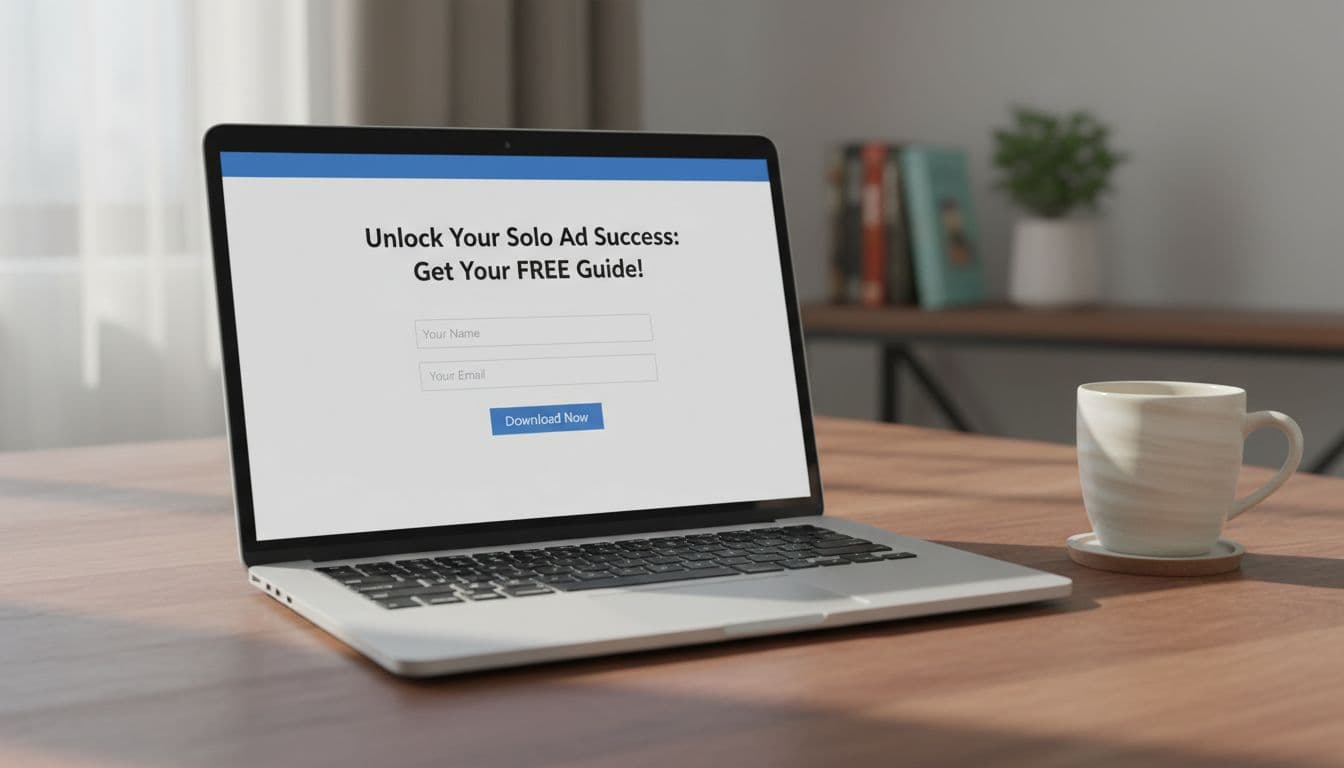
A simple setup often beats a fancy one. My page needs a clear headline, a benefit-driven hook, and very little clutter. After the opt-in, I use a short email sequence, usually three to five emails, to build trust and make the offer. If I need a refresher on campaign flow, this overview of solo ad campaign basics covers the same kind of setup I like.
The numbers I should track from the first test
I start small, usually 200 to 300 clicks. That gives me enough data without setting money on fire.
Here is a simple example using 300 clicks:
| Metric | Example |
|---|---|
| Clicks bought | 300 |
| Cost per click | $0.50 |
| Total spend | $150 |
| Opt-in rate | 35% |
| Leads generated | 105 |
| Cost per lead | $1.43 |
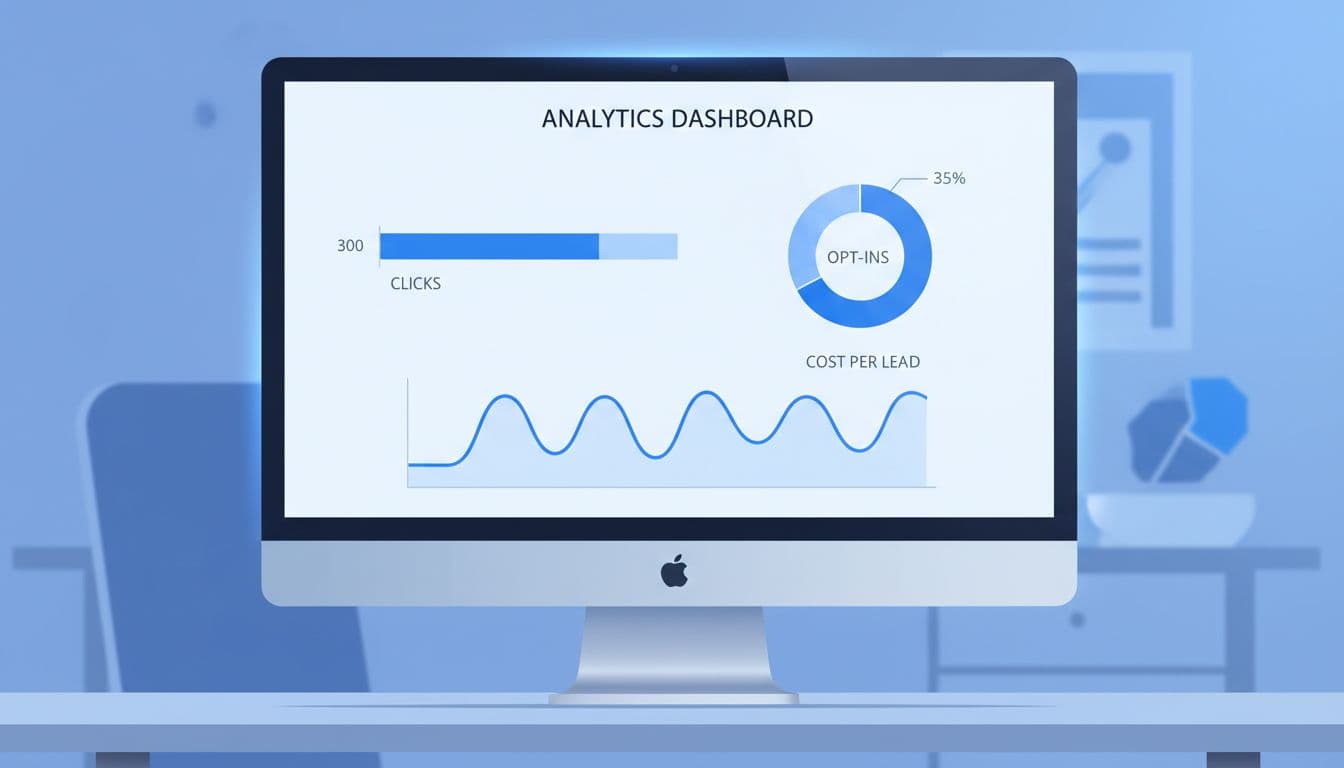
That table tells me more than hype ever will. At 300 clicks and a 35 percent opt-in rate, I get 105 leads. If I spent $150, my cost per lead is about $1.43.
From there, I watch five numbers closely: clicks delivered, opt-in rate, cost per lead, open rate, and sales or booked calls. If the seller delivers the clicks, the opt-in rate is healthy, and new subscribers open emails, I may have a winner even before sales show up. If delivery is sloppy, leads are weak, and email engagement is flat, I stop fast.
What results to expect, when to scale, and when to walk away
Solo ads can build a list quickly, but results vary a lot. Niche fit matters. The offer matters. My follow-up matters too. That’s why I don’t judge a campaign by front-end sales alone.
Good early results look different from instant profit
A first test can still be a win without immediate profit. If I buy clicks at a fair rate, generate affordable leads, and those leads engage with my emails, I have something worth improving. Some solo ad buyers only break even after follow-up, upsells, or a higher-ticket offer later.
I scale when the traffic is consistent, not when one lucky order makes me emotional. If results wobble all over the place, I tweak the page or move on.
Build relationships with a few trusted sellers, not dozens
I don’t chase every cheap seller I see. That habit usually creates messy data and weak results. A better move is to find two or three sellers who send decent traffic, then run repeat tests with the same funnel.
Consistency helps me learn faster. I can compare orders, improve my page, and spot trends without guessing. When a seller’s quality drops, I pause. When performance stays steady, I increase slowly. That’s how I keep solo ads useful instead of random.
Guaranteed solo ad traffic can save time, but it can’t save a weak funnel. The best lesson I’ve learned is simple: clicks are easy to buy, but good leads come from the right seller, the right page, and the right follow-up.
So I start small, track everything, and let the numbers make the call. If you’re about to test your first order, buy a modest package, measure each step, and improve one campaign at a time.