Most beginners want to promote affiliate offers without paying for landing pages, email tools, and automation on day one. I get that. Spending money before a funnel even works feels like buying furniture for a house you haven’t built yet.
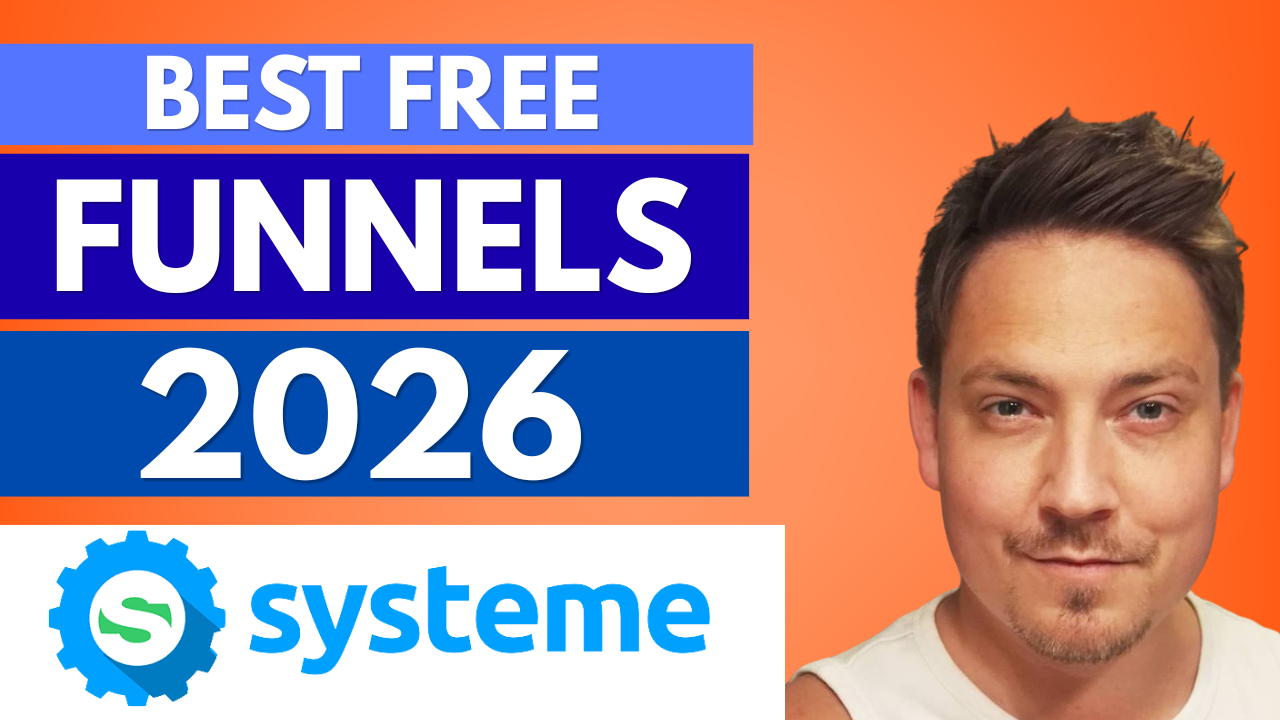
That’s why I like starting with a free funnel builder for affiliate marketing that can handle the basics in one place. A funnel collects leads, builds trust, and moves people toward a click or sale over time. In 2026, Systeme.io stands out because its free plan includes up to 3 funnels, email marketing for up to 2,000 contacts, and simple automation. For a beginner, that’s a big deal. It means I can test a real setup without juggling five separate free tools or pulling out a credit card too soon.
What a free funnel builder actually does for an affiliate marketer
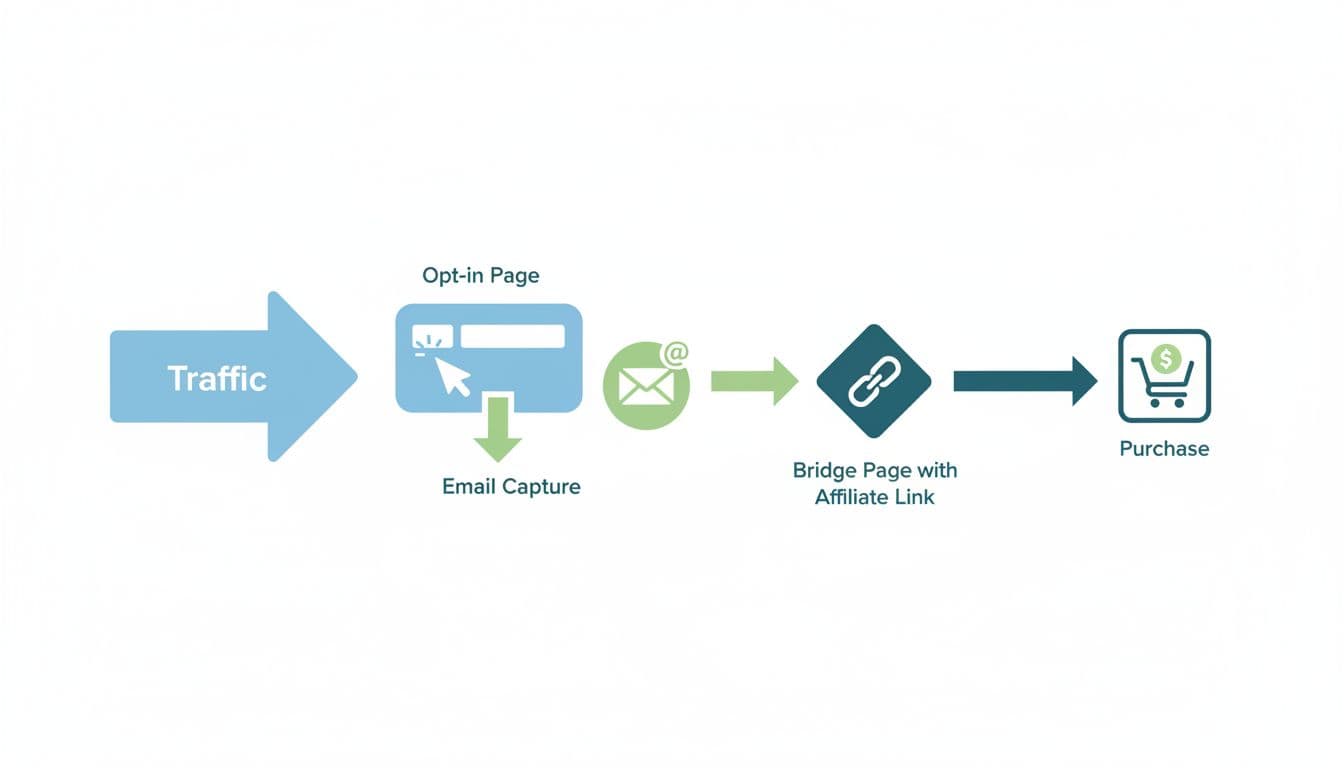
A funnel gives my traffic a path. Without one, I’m often sending cold visitors straight to an affiliate sales page and hoping they buy fast. That rarely works well.
Instead, a funnel lets me slow the process down just enough. I can give a visitor a reason to stay, a reason to trust me, and a reason to come back. That small shift changes everything. I stop chasing lucky clicks and start building an audience I can reach again.
It turns random clicks into email leads I can follow up with
When I capture an email first, I’m not forced to make the sale on the first visit. That matters because most people don’t buy right away. They compare options, get distracted, or simply need more proof.
A simple opt-in page fixes that. I offer a lead magnet, maybe a checklist, short guide, or template, in exchange for an email address. Then I send a welcome email and a few helpful follow-ups. Now I have a second, third, and fourth chance to help them.
That’s the core value of a funnel. It gives me more leads and more control over the follow-up. If I want a current look at how an all-in-one free setup works in practice, I like this 2026 Systeme.io free plan review.
It gives me a bridge page to warm people up before the offer
A bridge page sits between the opt-in and the affiliate offer. Think of it like a friendly introduction instead of a hard handoff. I can use a short video, a personal story, or a quick breakdown of why the product helped me.
That page matters because people trust context. A cold click feels like being pushed through a store door. A bridge page feels like having someone point to the exact shelf and explain why it’s worth a look.
I keep mine simple. I explain the problem, share what changed for me, and tell the reader what to expect on the next page. That small bit of pre-sell often lifts clicks because it answers the silent question in every visitor’s head, “Why should I care?”
The best free funnel builder for affiliate marketing right now
If I wanted one free tool that gives me the most room to grow, I’d pick Systeme.io first. It’s the cleanest answer for beginners because it covers the full chain, pages, email, automation, and basic affiliate tools, inside one dashboard.
Here’s the quick side-by-side view I’d use before choosing.
| Tool | Best for | What I get free |
|---|---|---|
| Systeme.io | Full beginner funnel setup | 3 funnels, up to 15 steps, unlimited emails to 2,000 contacts, 1 workflow |
| Involve.me | Interactive lead capture | Quizzes, forms, calculators, multi-step flows, strong logic and personalization |
The takeaway is simple. Systeme.io is the better starting point if I want one home base. Involve.me is better when I want interactive lead capture inside a broader setup.
Why I’d choose Systeme.io first if I want an all-in-one free setup
Right now, Systeme.io gives me a lot without asking for a card upfront. I can build up to 3 sales funnels, use a drag-and-drop builder, start with templates, and email up to 2,000 contacts with unlimited sends. I also get automation, which is huge for a free account, plus basic affiliate program tools inside the platform.
That combination saves time. I don’t need one tool for pages, another for email, and a third for automation. I can log in once and build the whole thing. For a beginner, that lowers the chance of getting stuck on tech instead of learning what actually converts.
There are limits, of course. The free plan includes one workflow, branding on pages, and no custom domain. Still, it’s hard to beat the value. If I want a closer look at those limits before committing, this Systeme.io pricing breakdown is a useful reference.
When a tool like Involve.me makes more sense than a full funnel platform
Involve.me is a strong runner-up when I want quizzes, forms, surveys, or calculators that guide people down different paths. That’s powerful for lead capture because the funnel feels more personal. Instead of showing everyone the same page, I can sort people by needs and match them with the right next step.
So when would I pick it? I’d use it if my niche fits interactive funnels, like skincare, fitness, finance, or software matching. A quiz can do a better job than a plain opt-in page when the audience needs help choosing.
Still, I don’t see it as a full replacement for an all-in-one email and funnel system. It shines as a front-end lead tool. Then I’d connect it to my email follow-up elsewhere. For more context, I like involve.me’s funnel builder overview.
How I’d build a simple free affiliate funnel that can start working fast
My favorite beginner funnel is small on purpose. It has one audience, one offer, one lead magnet, and one follow-up path. That’s it. Simple funnels are easier to launch, easier to test, and easier to fix.
Start with a lead magnet that matches the affiliate offer
I always start with the offer, not the page design. If I’m promoting an email copy course, my lead magnet might be a subject line swipe file. If I’m promoting a budgeting app, I might offer a weekly budget template.
The best lead magnets solve a small problem fast. They don’t need to be long. They just need to feel useful. Canva makes this easy because I can create a clean PDF or checklist in minutes.
If the free item and the paid offer solve different problems, the funnel feels off right away.
That message match is what makes the next step feel natural instead of pushy.
Build three pages, opt-in, thank-you, and a short pre-sell page
The opt-in page has one job, get the email. I keep the headline clear, the copy short, and the form easy to spot. Too much detail hurts more than it helps.
The thank-you page can do two things. First, it tells people where to get the freebie. Second, it can send them to a bridge page or include a short intro to the offer. On that pre-sell page, I explain why I recommend the product, who it fits, and what result it can help with.
I also stay honest. I disclose that the link is an affiliate link, and I follow the rules of the program I joined. That protects trust, which is the real engine behind affiliate sales.
Add a short email sequence so the funnel keeps working after the first click
This is where free funnel tools start to feel exciting. Once the pages are live, I add a short email sequence and let it work in the background.
My basic flow is simple. First, I send the welcome email with the free resource. Next, I send one value email that helps with a common problem. Then I send a problem-solution email that explains what’s getting in the way. After that, I send an offer email with a clear reason to click. If needed, I finish with a reminder and a short personal note.
I’m not trying to corner anyone into buying. I’m helping first, then recommending the tool or product that fits. If I want to compare other builders before locking in my setup, this 2026 funnel builder comparison is a handy extra read.
Mistakes that make free affiliate funnels flop, and how I’d avoid them
Free tools aren’t the reason most funnels fail. Confusing strategy is. I’ve seen beginners blame the platform when the real issue was weak positioning or too many moving parts.
Sending traffic straight to a sales page with no trust built first
Cold traffic needs context. If people don’t know me, they usually won’t click an affiliate link just because I dropped it in front of them. They want proof, a story, a result, or at least a clear reason to care.
That’s why I use an opt-in page and a bridge page. Even a short warm-up can make the offer feel more relevant and less random.
Trying to promote too many offers at once
This mistake sneaks up fast. A beginner joins five affiliate programs, builds three half-finished pages, and ends up with muddy results. I’d rather focus on one niche, one audience, and one core offer first.
That focus makes testing much easier. I can see which page gets sign-ups, which emails get clicks, and where people drop off. Then I can improve one part at a time instead of guessing.
Conclusion
Starting with a free funnel builder for affiliate marketing doesn’t mean starting small in a bad way. It means starting smart. I don’t need expensive software to begin, I need one clear offer, one useful lead magnet, and one simple funnel that keeps following up after the first click. If I were building from scratch today, I’d start with Systeme.io, launch one basic funnel, and improve it as real data comes in. That’s how overwhelm fades and real progress starts.