Building an affiliate marketing website doesn’t have to be hard, slow, or expensive. I like to keep it simple from day one, because simple sites are easier to launch, easier to manage, and easier to improve.
At its core, an affiliate site helps people choose products or tools. When someone clicks my link and buys, I earn a commission. That model still works well in 2026, especially when the site stays focused and genuinely useful. Affiliate marketing is still a huge part of online shopping, with current US trends showing it drives about $1 out of every $7 in eCommerce sales.
If I’m starting from scratch, I don’t try to build a giant media brand. I build a clean site around one topic, publish helpful pages, and grow it a little at a time.
I start with a niche that is easy to explain and easy to monetize
The biggest mistake I see is going too broad. “Fitness” is broad. “Home workout gear for busy moms” is clear. A focused niche gives me better content ideas, stronger trust, and more chances to recommend products that fit.
I want one type of person, one type of problem, and one type of solution. That’s the sweet spot. In 2026, beginner-friendly directions still include software with recurring commissions, health and wellness tools, sustainable goods, and beauty products. Current niche roundups like these profitable niche ideas for beginners can help spark ideas, but I never chase trends just because they’re hot. Fit matters more than hype.

A niche should feel like a small shop, not a messy department store. When someone lands on the site, they should know right away what I cover and why it matters.
If I can’t explain the site in one sentence, the niche is still too wide.
I look for a niche with buyer intent, not just traffic
Traffic alone doesn’t pay the bills. I care more about buyer intent. That means the reader is close to making a decision.
For example, “how to sleep better” may get lots of visits. But “best magnesium supplement for sleep” is much closer to a sale. The same goes for searches like “Product A vs Product B,” “best budget standing desk,” or “is X worth it.”
The easiest content to monetize usually falls into four buckets: reviews, comparisons, best-of lists, and problem-solving guides. These topics attract readers who want help choosing, not just browsing.
I pick affiliate programs before I build the site
I always check monetization before I build anything. That’s like opening a store before knowing what I’ll sell.
I look at Amazon Associates for wide product access, then networks like Awin or Partnerize for brand options. If I’m in software, I pay extra attention to recurring offers. In current 2026 data, beginner-friendly programs with recurring payouts include Thinkific, Kajabi, and GetResponse. Those can be attractive because one signup may keep paying month after month.
Before joining, I check four things: payout rate, cookie window, product trust, and how well the offer fits my audience. I also like reviewing lists of beginner-friendly affiliate programs to compare what’s realistic for a new site.
I build the website on a simple setup I can manage myself
For most beginners, I still think WordPress is the best place to start. It’s flexible, easy to grow with, and strong for search visibility. I can start small, then add pages, plugins, and features later without rebuilding the whole site.
Ghost can work for a lean writing-first setup. A no-code builder can also work for a tiny project. Still, if I want room to grow, WordPress gives me the best balance of control and ease.
The setup doesn’t need to be fancy. I buy a clear domain name, get solid hosting, install WordPress, choose a lightweight theme, and keep the design clean. That’s enough. If I’m comparing options, guides to hosting for affiliate websites help me narrow down providers that are fast and dependable.
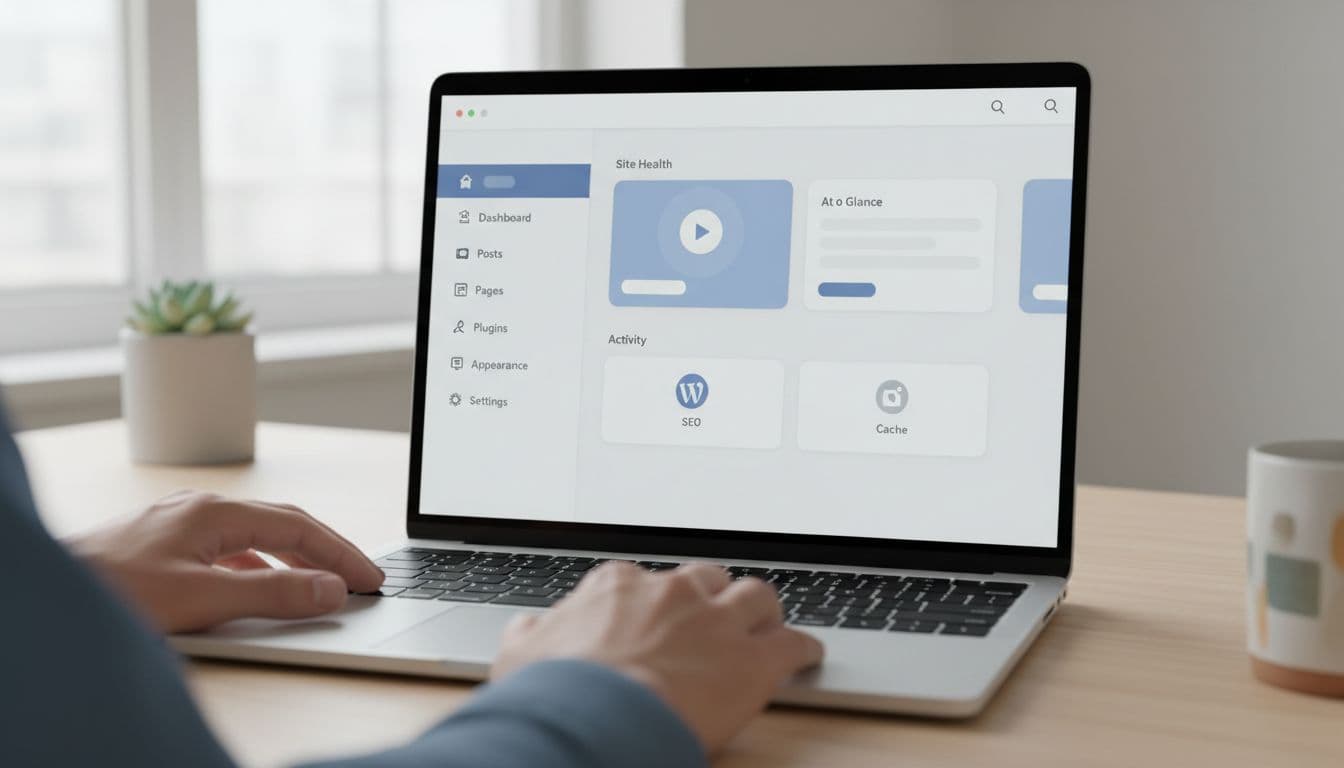
A simple site beats a pretty mess. Fast loading, mobile-friendly pages, and clear menus matter far more than flashy design.
I keep the tech stack lean so the site is fast and easy to update
I don’t install ten plugins when three will do. Too many tools slow the site down and create extra work.
My basic stack looks like this:
- Domain and hosting: reliable and quick, with easy WordPress setup
- Lightweight theme: clean layout, strong mobile design, no clutter
- SEO plugin: for titles, meta details, sitemaps, and page basics
- Affiliate link manager: to organize links and update them fast
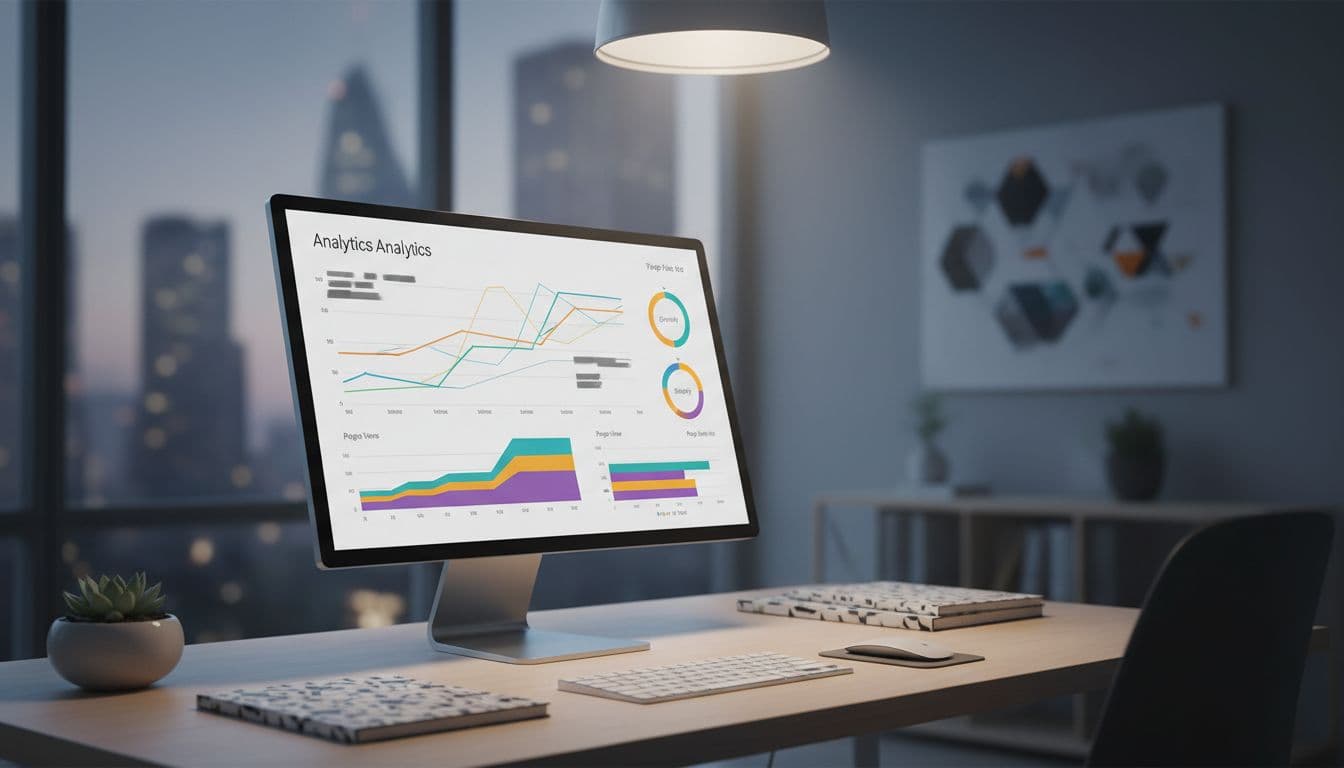
- Analytics: to see what pages get clicks and where readers drop off
That lean setup keeps the site easy to run. It also helps with speed, which matters for both readers and search results.
I set up trust pages and disclosures before I publish anything
Trust pages aren’t filler. They tell readers, and search engines, that a real person stands behind the site.
Before I publish content, I create an affiliate disclosure, About page, Contact page, and Privacy Policy. I also make sure my tracking is clean and privacy-aware, because third-party cookie changes have pushed more site owners toward first-party data and simple reporting.
Clear trust signals help a lot. When readers know who I am, what the site does, and how I make money, they feel safer clicking and buying.
I publish content that helps people make a buying decision
Content is the engine of the whole site. If the content is vague, thin, or salesy, the site stalls. If it’s useful, specific, and honest, it can grow for years.
I don’t start with 50 random posts. I build a tight content plan around one topic cluster. For example, if the site is about home office gear, I might start with standing desk reviews, chair comparisons, and guides for small-space setups. That’s enough to form a clear theme.
People don’t want a billboard. They want a guide. That’s why I write with the goal of helping someone make a smart choice, even if that means saying a product isn’t right for everyone. Helpful formats like these affiliate content types that work well still hold up because they match what readers need before buying.

I start with three content types that are easiest to rank and monetize
These three formats give me the best early return:
| Content type | What it does best | Best use case |
|---|---|---|
| Product reviews | Builds trust with deep detail | One product with clear pros and cons |
| Comparison posts | Helps readers choose between options | Readers deciding between two tools |
| Best product lists | Captures broad buyer intent | Readers exploring top picks in a category |
After the table, my rule is simple: be honest. I include real pros and cons, who the product fits, who should skip it, and what I would choose instead. Small tables, original images, and direct recommendations make the page easier to scan.
A weak affiliate post sounds like an ad. A strong one sounds like a helpful friend who already tested the options.
I write for people first, then make the page easy for search engines and AI tools to understand
I put the answer near the top. Then I use clear headings, simple language, and short sections. That helps readers stay on the page, and it also helps search engines understand what the page covers.
I add internal links between related posts so the site feels connected. I also use structured details, which can be as simple as consistent product specs, FAQ sections, and review summaries. Some site owners call this schema, but I think of it as organized context.
Natural wording matters too. I write like people talk. I answer real questions people ask before buying. When a page is clear, useful, and easy to scan, it has a better shot at being surfaced by search engines and AI-driven results.
I grow traffic with a few steady channels instead of trying everything at once
Trying every channel at once is like watering ten tiny plants with one cup. Nothing gets enough to grow.
So I pick a few channels and stay consistent. In 2026, that usually means search, short-form video, and email. Search takes longer, but it stacks up. Short video can bring faster attention. Email gives me a direct line to readers, which matters when social platforms shift and search traffic moves up and down.
Current trends also favor small creators, user-made content, and social shopping. That means a small site can still get traction without a huge budget, especially if the content feels real and useful.
I use search, short-form video, and email to bring in the first readers
Blog posts help me build slow, steady traffic. Then I can repurpose the same ideas into TikTok clips, Instagram Reels, YouTube Shorts, or simple talking-head videos. One article can turn into five short videos if I break it into tips, pros and cons, or quick comparisons.
I also start an email list early, even if only a few people join at first. That list becomes a safety net and a repeat traffic source.
I track clicks and improve the pages that already show promise
I don’t guess. I track.
That means watching affiliate link clicks, using UTM tags when needed, and checking basic analytics. If a page gets impressions but few clicks, I test the title. If readers click but don’t buy, I improve the call to action, move the affiliate link, or strengthen the weak parts of the review.
Small edits can lift results fast. I update the pages that already have traction before writing brand-new posts.
A simple affiliate site can still win
If I could give one piece of advice, it’s this: keep the first version small. I don’t need a giant site, a fancy logo, or a pile of tools to start building an affiliate marketing website that works.
The path is still simple in 2026. I choose a focused niche, set up a clean site, publish useful content, and grow traffic one channel at a time. Consistency matters more than complexity. Start with one niche, one site, and one helpful article, then build from there.