Want books that actually help you sell online, not just sound smart on a shelf? That’s what I wanted this list to do. I picked the best books about internet marketing for people who want skills they can use right away.
This guide mixes funnel books, copywriting, content, SEO, social media, and buyer psychology. So, if you like Russell Brunson-style marketing books but also want a wider view, you’re in the right place. I focused on books that help me think more clearly, write better offers, attract the right traffic, and turn attention into sales.
How I picked the best internet marketing books worth reading now
I didn’t pick books just because they’re popular. I picked the ones I think still help real people do better marketing in 2026.
For me, a strong marketing book does five things. It explains ideas in plain English. It gives actions, not fluff. It still fits how people buy online now. It ages well. And it helps me make better decisions the same week I read it.
Some internet marketing books fade fast because channels change. Still, the best ones keep working because human behavior doesn’t change that much. People still want clear offers, useful content, trust, and a reason to act.
I looked for books that teach actions, not just theory
The books I trust most show me what to do next. They help me build funnels, shape offers, write sharper copy, create better content, attract traffic, and turn clicks into customers.
That’s why I kept books that give frameworks, examples, and repeatable systems. When a book makes me want to open a doc and fix a page right away, it earns a spot.
I chose a mix of classics and books that still feel fresh in 2026
Internet marketing moves fast, so I wanted balance. I included timeless books on persuasion and messaging, but I also wanted titles that still match today’s search habits, social feeds, and AI-heavy content space.
That approach lines up with broader 2026 marketing reading lists from Content Marketing Institute, which still highlight books that teach clarity, content, and distinct brand thinking.
The best books about internet marketing, and what each one does best
Start with funnels, offers, and online sales systems
If you already like Russell Brunson, this is the natural place to start. These books help me see the full path, from traffic to lead to sale.
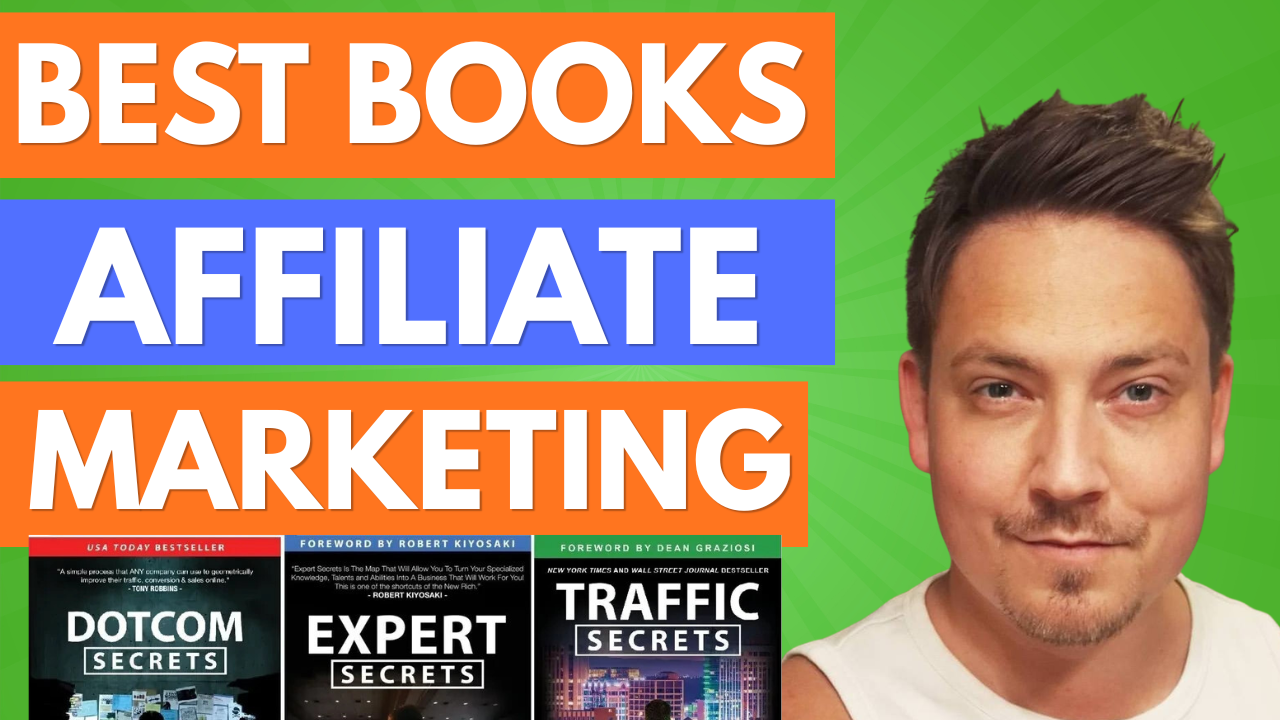
DotCom Secrets by Russell Brunson is still one of my favorite books for understanding funnels. It breaks down value ladders, lead magnets, landing pages, follow-up, and offer flow in a simple way. I think it helps business owners, course creators, and consultants the most. The biggest takeaway is clear: random traffic rarely wins, but a structured sales path often does.
Expert Secrets by Russell Brunson works best when I need help turning knowledge into sales. It’s about positioning, belief, story, webinars, and movement-building. If someone has expertise but struggles to package it, this book helps. The main lesson is that people don’t just buy facts, they buy a clearer future and a guide they trust.
Digital Marketing for Dummies by Ryan Deiss and Russ Henneberry gives a broader map. It covers search, email, paid ads, social, analytics, and how those channels connect. I recommend it to beginners, small business owners, and anyone who feels scattered. Its biggest strength is showing that online marketing works best as one system, not a pile of random tactics.
Get better at copy, messaging, and persuasion
Funnels fall flat when the message is weak. So, this group matters more than many people think.
Building a StoryBrand by Donald Miller helps me clean up confusing messaging fast. The book shows how to make the customer the hero, define the problem, offer a plan, and call them to action. It’s perfect for homepage copy, landing pages, and email sequences. The big takeaway is that clarity beats cleverness almost every time.
Everybody Writes by Ann Handley is a great pick for anyone who writes online, which is almost all of us now. It helps with tone, structure, email, web copy, and everyday writing habits. I like it because it makes better writing feel practical, not fancy. Its biggest lesson is simple: good marketing writing sounds human, useful, and clear.
Influence by Robert Cialdini is older, but it still matters because buyer psychology still matters. The book explains why people say yes, with ideas like social proof, reciprocity, and authority. I think it’s best for marketers who want stronger offers, sales pages, and email campaigns. The core takeaway is that persuasion works better when it aligns with how people already decide.

Learn content, SEO, and social media that build trust over time
Not every sale comes from a funnel page on day one. Often, trust builds first, then revenue follows.
They Ask, You Answer by Marcus Sheridan is one of the most useful books I’ve read for content that drives leads. The idea is direct: answer the questions buyers already have. That means pricing, problems, comparisons, and objections. It’s great for service businesses, B2B teams, and content-driven brands. The big lesson is that honest content earns trust faster than polished hype.
Content Chemistry by Andy Crestodina is one of the strongest books for website content and SEO-minded marketing. It covers content planning, page structure, analytics, links, conversion paths, and smart use of AI tools. I think it helps marketers who want a practical website strategy, not vague advice. The biggest takeaway is that great content needs both creativity and measurement.
Jab, Jab, Jab, Right Hook by Gary Vaynerchuk still earns a spot because it teaches platform-aware social media. Gary’s point is simple: give value first, then ask. That rhythm still works on social. It’s especially useful for creators and brands posting often. The main lesson is that context matters, because the same message lands differently on each platform. For more social-first recommendations, I liked Nimble’s 2026 social media marketing books list.

Add one modern pick for standing out in the AI-heavy marketing world
If I were adding one newer book to this stack, I’d pick Audacious by Mark Schaefer. It speaks to a real 2026 problem: average content is easier than ever to make, so average content gets ignored faster.
This book is about bold brand choices, stronger stories, community, and human connection. I think it helps marketers who already know the basics but feel invisible online. The biggest takeaway is that efficiency alone won’t make a brand memorable. Personality, risk, and emotion still matter, maybe more now than before.
In an AI-heavy market, being useful is the floor. Being memorable is the win.
That thinking also fits the broader shift described in AI + internet marketing in 2026, where automation is common but trust and distinct voice still separate the winners.
How I would choose the right book based on your goal
Buying the wrong first book can slow you down. So, I like to match the book to the problem I’m trying to fix now.
If I wanted more leads and sales, I would start here
I’d start with DotCom Secrets if I already had traffic or an offer but no clear funnel. I’d choose Expert Secrets if people liked my ideas but weren’t buying yet, because it helps with belief, positioning, and sales presentation. Then I’d use Digital Marketing for Dummies if I needed the full picture, especially how email, search, social, and paid traffic fit together.
That trio works well if your brain likes systems. It also helps if you’re the kind of marketer who enjoys Brunson’s way of thinking but wants a wider map too. If you want another broad comparison point, this 2026 digital marketing books roundup is a useful companion list.
If I wanted stronger content and clearer writing, I would pick these
I’d grab Everybody Writes first if my writing felt stiff or messy. I’d pick Building a StoryBrand if my homepage or sales page confused people. They Ask, You Answer is my choice when I need content ideas that can actually bring in leads. Then Content Chemistry helps when I want stronger web pages, smarter SEO habits, and better measurement.
This group is great for marketers who know they need traffic and trust, but don’t want to sound robotic while getting there.
The best way to read these books without getting overwhelmed
I wouldn’t read all of these back to back. That sounds productive, but it usually turns into note-taking without action.
Instead, I like to read by skill stack. First, I pick one core marketing book, usually DotCom Secrets or Digital Marketing for Dummies. Next, I add one writing or persuasion book, such as Building a StoryBrand, Everybody Writes, or Influence. Then I add one traffic or content book, like They Ask, You Answer or Content Chemistry.
After each chapter, I write down one thing to fix. Maybe it’s a better headline, a new lead magnet, or a buyer-question article. Small changes compound fast.
Read less, apply more. That’s the move.
Conclusion
The best books about internet marketing depend on what I want to improve first. If I want funnels and sales systems, I start with Russell Brunson and then widen the view. If I want better writing, trust, and long-term traffic, I reach for StoryBrand, Everybody Writes, They Ask, You Answer, and Content Chemistry. And if I want to stand out in 2026, Audacious feels especially smart.
My simple next step is this: pick one funnel book and one writing or content book, then use them this month. A good book can change how I market, but applied pages change results.