The fastest way to waste time in affiliate marketing is to promote offers that pay well but barely sell. When I think about what are the best products to sell as an affiliate, I don’t chase the highest commission first.
I look for the overlap between demand, trust, payout, and fit with my audience. In 2026, that sweet spot shows up again and again in health and wellness, AI software, beauty, home products, finance offers, and creator-led shopping through platforms like TikTok Shop.
If you want offers that actually convert, these are the product types and filters I use.

The best affiliate products to sell right now
Some categories stay hot because people already want them. Others are growing because habits are changing fast in 2026. I focus on products that solve a clear problem or make daily life easier.
Health, wellness, and weight-loss products with strong buyer demand
Health products keep selling because people spend fast when they want relief, energy, confidence, or a better routine. That makes this niche one of my first picks.

Supplements, hydration powders, gut health products, weight-loss programs, fitness apps, yoga gear, and resistance bands all work well. Early 2026 trend data shows strong US demand for hydration, energy, and brain health products, and some supplement categories even get high repeat buys. That matters because repeat purchases can turn one sale into ongoing income.
This niche also fits many content styles. I can write reviews, compare products, share routines, post beginner workout setups, or show how a fitness app fits into real life. The content doesn’t need to feel like an ad. It can feel like advice from a friend.
Still, this niche needs care. I only promote products I trust, especially when health claims are involved. If a supplement page looks shady, if reviews feel fake, or if the promise sounds too big, I pass.
For a broader look at where demand is heading, I like this breakdown of 2026 affiliate niche trends.
AI tools, software, and other recurring-pay products that build steady income
Software is exciting because one customer can keep paying month after month. If the affiliate program offers recurring commissions, I can keep earning from a single referral while the user stays active.
In 2026, AI writing tools, meeting assistants, SEO software, email platforms, website tools, VPNs, and small-business systems are strong options. These products solve daily problems. They save time, reduce friction, or help people make money. That gives them a clear reason to buy.
I also like SaaS offers because the math can work in my favor. A $15 or $30 monthly commission may not sound huge at first. But stack enough active users, and it starts to feel like building bricks instead of chasing loose change.
Long cookie windows help a lot here. Free-trial payouts can help too, because many software buyers want to test before they commit. When a program rewards trials and paid plans, I get more ways to win.
A high commission means little if the product doesn’t stick.
Beauty, home, and everyday products people already love to buy
Not every winning affiliate product needs a huge payout. Beauty, home, and everyday-use items often convert well because they are easy to understand. People can see the value in seconds.
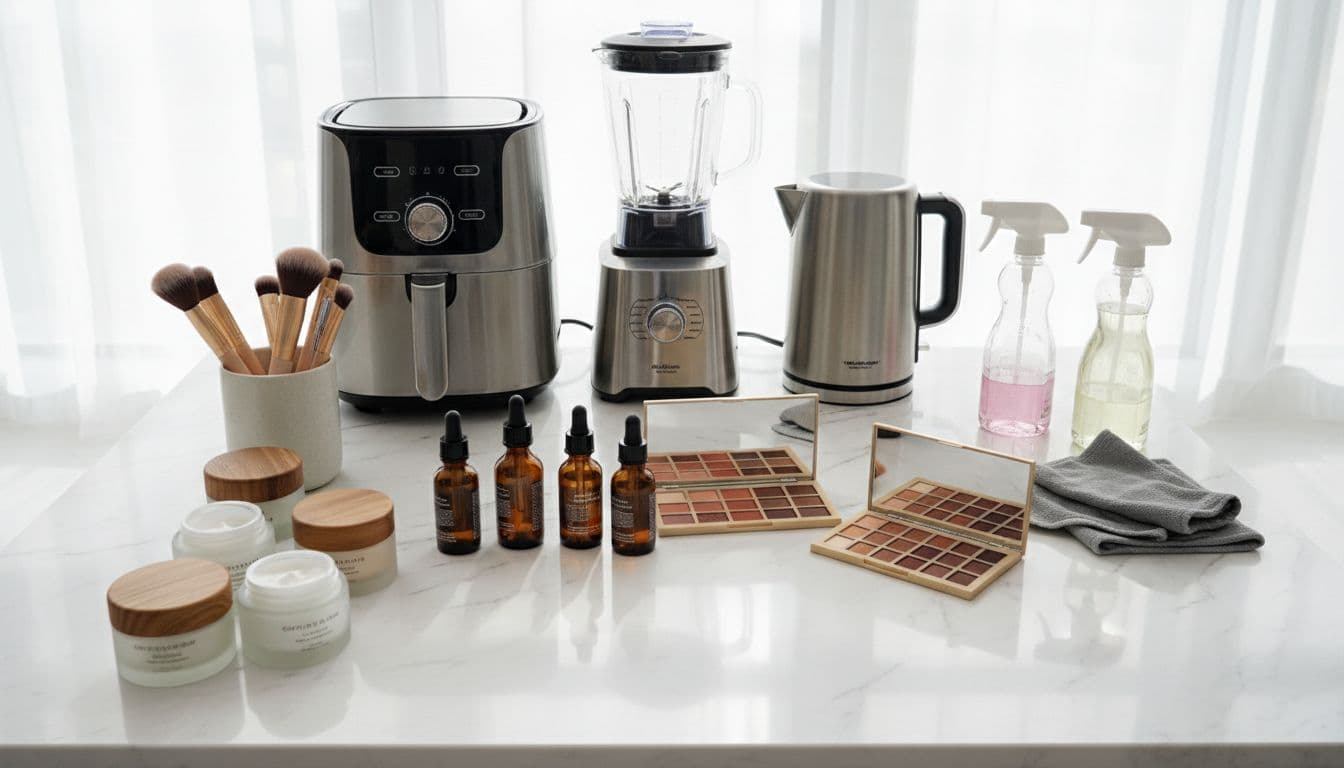
Skincare, makeup, hair tools, kitchen gadgets, cleaning gear, organizers, and simple tech accessories do well in blogs, Pinterest posts, YouTube reviews, and short-form video. Even lower-priced products can move fast when the content is clear. A smart roundup, a side-by-side comparison, or a quick demo can do the job.
Beauty is especially strong right now because social commerce is pushing discovery. TikTok Shop has helped smaller products move like wildfire, especially skincare items with visible before-and-after appeal. Home and kitchen items work for the same reason. One useful gadget can make people think, “I need that.”
I also like these products because they lower buyer risk. A person may hesitate on a $400 course. They will often buy a $24 serum or a $39 kitchen tool after one solid recommendation.
If I want data before picking a niche or product angle, I check a data-driven guide to 2026 niches.
How I tell if an affiliate product is worth promoting
This is where many affiliates slip. They find a shiny offer, see a nice commission, and jump in. I slow down first.
I look for buyer intent, fair commissions, and proof that the product converts
I start with one basic question: does the product solve a problem people already want solved? If the answer is yes, I keep going.
Then I check the commission. I don’t need every product to pay a fortune, but I do need the payout to match the effort. A low-priced product can still work if it’s easy to sell. A high-ticket offer needs strong trust and a strong sales page.
Next, I look at simple numbers. Conversion rate tells me how often visitors buy. Cookie length tells me how long I can still get credit after a click. Earnings per click gives me a rough idea of how much traffic is worth. Refund risk matters too, because a product with big returns can wreck good-looking commissions.
I also judge the sales page like a buyer would. Does it feel honest? Is the message clear? Are the reviews believable? If the page feels like a late-night infomercial, I move on.
I only choose products that match my audience and my content style
Audience fit beats hype every time. A strong finance offer can crush it on a money blog and flop on a casual lifestyle site. The same goes for B2B software on a beauty-focused Instagram page.
I only promote products that make sense next to my content. If I write tutorials, I want tools I can show in action. If I publish reviews, I want products I can test or at least study closely. If I make short videos, I want items that show clear results fast.
Trust is the whole engine here. I ask myself one simple thing: would I feel good recommending this to a friend? If the answer is shaky, that doubt will leak into the content. Readers feel that.
The affiliate programs and platforms that give me the most options
Good products matter most, but the right platform makes testing easier. I like a mix of broad access and higher-paying direct offers.
Easy places to start, Amazon Associates, ShareASale, CJ Affiliate, and TikTok Shop
Amazon Associates is easy because almost everyone already shops there. I can find products in nearly every niche, from yoga mats to blenders to phone accessories. The trade-off is lower commission rates.
ShareASale and CJ Affiliate give me access to many brands in one place. That saves time when I want to compare offers, cookie windows, and terms. If you’re comparing networks, Shopify has a useful guide to affiliate networks for 2026, and CJ Affiliate remains one of the best-known platforms for brand partnerships.
TikTok Shop stands out in 2026 because creator-led buying is huge. Short videos can move beauty, home, wellness, and gadget products fast, especially when the demo feels real.
Higher-paying options, direct brand programs, SaaS offers, and digital marketplaces
Direct brand programs can pay better than large networks. I often see stronger commissions, better support, and longer cookie windows when I work straight with a company.
SaaS brands are some of my favorite direct partners because recurring commissions add up. Digital marketplaces like ClickBank or Digistore24 can also work, mainly for courses, guides, and digital tools. Still, I check quality first. A polished dashboard can’t save a weak product.
How I pick one profitable niche and turn it into affiliate sales
I keep the process simple because simple plans get used. Complicated plans sit in drafts.
Start with one niche, then choose three products at different price points
I pick one niche, not five. Then I choose three products: one low-cost item for quick wins, one mid-range offer, and one higher-ticket or recurring product.

That mix gives me balance. The low-cost product helps me learn what people click on. The mid-range offer often becomes the steady earner. The higher-ticket or recurring product gives me upside without making every sale hard.
If I’m still torn between niches, I like this simple guide to choosing one, because it pushes me to match demand with what I can talk about well.
Create honest content that shows the product in real life
This part matters more than any platform or payout. I make content that shows the product being used, compared, tested, or explained in plain English.
Reviews, tutorials, comparison posts, gift guides, and short videos all work. In 2026, real use cases beat polished sales talk. People want proof they can picture in their own life. A quick demo is often stronger than a perfect slogan.
The best affiliate sales usually come from trust built over time, not from one flashy post.
The best products to sell as an affiliate aren’t always the highest-paying ones. The winners usually sit where real demand, fair commissions, and strong audience fit meet.
For me, that often means health and wellness, AI software, beauty, home products, and carefully chosen finance or travel-related offers. Start small. Pick one niche, join one or two programs, test a few products, and protect trust like it’s your main asset.
That’s because it is.