
Most people chase the exciting idea. I don’t. When I look at how wealth gets built, I keep seeing the same pattern, boring businesses that make money tend to win because people need them over and over again.
That’s the part many beginners miss. Hype gets attention, but trash still needs hauling, pests still need killing, and dirty clothes still need washing. Those needs don’t vanish when the economy gets shaky.
I’m focusing here on simple, proven models with steady demand, repeat customers, and a clearer path to profit than trend-based ideas. If you want something practical, this is where I’d start.

What makes a boring business so profitable
The best boring businesses usually share the same traits. They solve plain, everyday problems. They don’t depend on fashion, social buzz, or a lucky viral moment. People buy them because they have to, not because they’re fun.
That changes everything. A business tied to a routine often has steadier sales than one tied to excitement. Pest control is a good example. The U.S. market is about $29.7 billion in 2026, with continued growth this year, according to current pest control market size data. Bugs don’t care if consumers feel cautious.
Commercial cleaning shows the same pattern. Recent market estimates put the U.S. cleaning sector around $100 billion to $112 billion by 2026. Laundromats are smaller, about $7.2 billion in 2026, but they stay relevant because renters and busy families keep coming back. Even self-storage, after a rough stretch from overbuilding, is improving as new supply starts to cool.
Steady demand beats hype almost every time
I like businesses built around schedules, habits, and headaches. That’s why laundry, trash, storage, and pest control stand out. Customers don’t wake up and think, “This is exciting.” They think, “I need this handled.”
That’s powerful. It means demand often returns on a cycle. Monthly, weekly, or seasonally, the need shows up again. A trendy product has to keep winning attention. A route-based service only has to keep solving the same problem well.
The less glamorous the problem, the fewer people rush in for the wrong reasons.
Simple models can create repeat revenue
This is where boring gets beautiful. Many of these models produce recurring income without endless selling.
A pest company can sell quarterly service plans. A cleaner can lock in a monthly office contract. A storage facility collects rent every month. A laundromat gets repeat traffic from the same neighborhood. A car wash can sell unlimited wash memberships. In other words, cash flow can become more predictable.
That doesn’t make these businesses easy. It does make them easier to understand. I’d rather study a simple machine that spits out steady cash than a flashy concept that needs constant reinvention.
Seven boring businesses that can make real money
The appeal here isn’t magic. It’s that each of these models has a plain path to revenue. Some are more asset-heavy. Others are more labor-heavy. Still, they all solve ordinary problems that people keep paying to fix.
Low-touch models with repeat payments, laundromats, self-storage, and vending machines
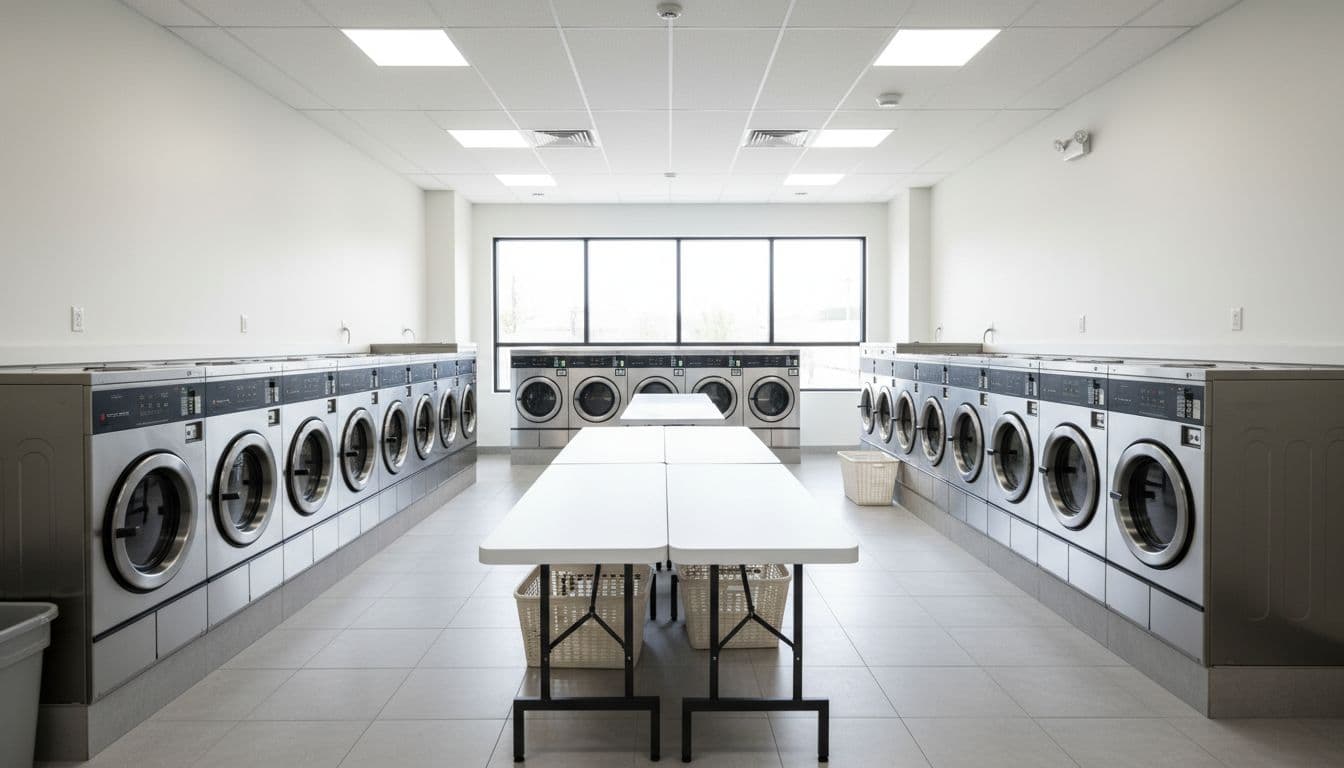
Laundromats are one of my favorite examples because the demand is easy to grasp. Clothes always need washing, and renters drive a lot of that traffic. The U.S. laundromat market is about $7.2 billion in 2026, and operators keep adding wash-dry-fold and pickup services, as shown in CLA’s 2026 laundry trends. Startup costs can be high if you build from scratch, mostly because of machines, plumbing, and leasehold work. Still, the model fits owners who like location-based cash flow.
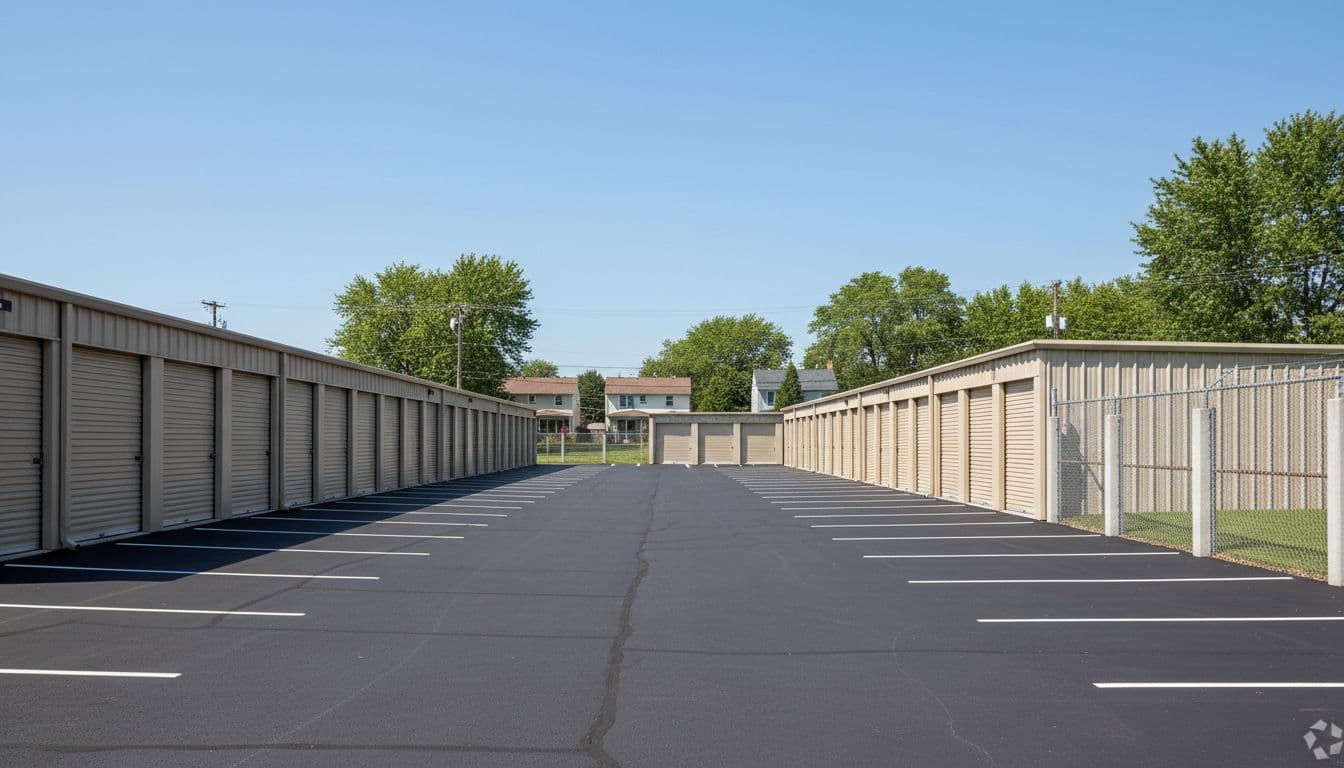
Self-storage looks passive from the outside, and sometimes that’s true. Tenants rent a box, autopay kicks in, and stays can last longer than expected. But the details matter. New supply is easing in 2026, which may help stronger markets recover, according to a recent self-storage outlook for 2026. This works best for owners who understand local occupancy, pricing, and site quality. It’s not cheap to enter, but good facilities can be wonderfully steady.
Vending machines can start smaller. That’s the attraction. One machine in a weak location won’t do much, but a route of solid machines in offices, schools, hospitals, or plants can stack up. The U.S. vending market is around $7.9 billion in 2026. Revenue comes from margin on products and route efficiency. I’d say this fits someone organized, persistent, and willing to hunt for better placements instead of dreaming about instant passive income.
Service businesses people keep rebooking, pest control, cleaning, car washes, and junk removal
Pest control is strong because the pain is urgent. People don’t tolerate termites, roaches, rodents, or mosquitoes for long. It also lends itself to recurring service plans, which I love. Startup can begin with licensing, equipment, a truck, and a local service area. This model fits owners who don’t mind sales, route density, and technical work.
Commercial cleaning is less flashy than almost anything on this list, and that’s exactly why I like it. Offices, clinics, and retail spaces need regular cleaning. Contracts can be nightly, weekly, or multi-site. The market is huge, and while labor can pinch margins, good account management can produce stable cash flow. This can be started lean with a small crew, then grown through referrals and contract bids.
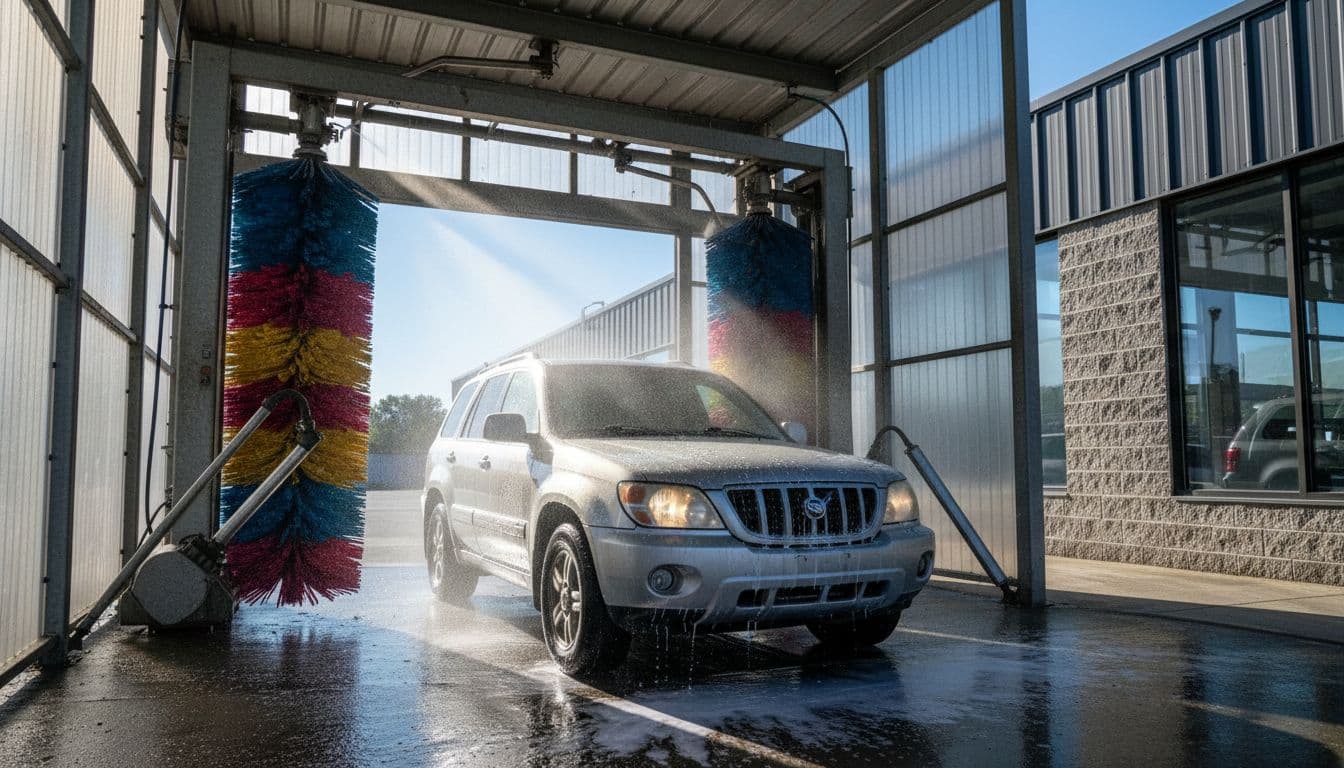
Car washes sit in a nice middle ground. Local demand stays steady because people want convenience, not a Saturday bucket-and-hose project. Industry estimates put the U.S. market near $18.7 billion to $20.7 billion in 2026, and memberships are a big reason. You can own a self-serve bay, an in-bay automatic, or a larger tunnel model. The tradeoff is clear, better systems usually mean higher startup cost.
Junk removal is more hands-on, but it can start fast. People move, renovate, clean out garages, and empty estates in every economy. Revenue comes from labor, truck space, disposal fees, and speed. It suits owners who don’t mind physical work, local marketing, and managing crews. I also like that it can branch into donation pickups, cleanouts, and light demolition.
Garbage or small-scale hauling businesses are similar. If you can build dense routes and reliable service, the numbers can work. The boring part is the advantage. Nobody brags about hauling junk, but plenty of owners quietly make money doing it.
How you can choose the right boring business for your budget and skills
The right choice depends less on hype and more on fit. I’d look at three things first, how much cash you have, how hands-on you want to be, and whether revenue depends more on labor or location.
This quick comparison makes the tradeoff easier to see:
| Path | Upfront cost | Speed to revenue | Best fit |
|---|---|---|---|
| Start from scratch | Low to medium | Slower | Service businesses like cleaning or junk removal |
| Buy an existing business | Medium to high | Faster | Buyers who want cash flow and records to review |
| Partner-operated investment | Medium to high | Medium | People with capital but less operating time |
Start small if cash is tight, buy cash flow if speed matters
If I had limited cash, I’d lean toward cleaning, junk removal, or pest control. You can begin with equipment, a vehicle, and hustle. They require more effort day to day, but they let you enter the market without buying real estate or expensive machinery.
If speed matters more than low cost, buying an existing operation can make sense. A laundromat with stable turns, a vending route with proven stops, or a small cleaning company with contracts may get you to revenue faster. That said, you need real diligence. The SBA guide to buying an existing business is a smart starting point if you want to understand financing and deal structure.
Look for boring problems people never stop paying to solve
I use a simple screen when I judge any boring business.
First, is the need ongoing, not occasional? Second, do customers come back without being heavily resold? Third, is local demand easy to verify? Fourth, can prices rise without killing demand? Fifth, can I hire people to help run it?
If a business scores well on those five points, I pay attention. If it needs constant promotion, has weak repeat use, or lives and dies by one trendy customer type, I move on.
The biggest risks to watch before you jump in
Boring doesn’t mean safe. A weak site, bad numbers, or sloppy operations can sink a solid concept fast.
Location risk is huge in laundromats, self-storage, vending, and car washes. A bad spot chokes traffic. Repairs can also wreck returns. Wash equipment, HVAC systems, pumps, trucks, and commercial machines eat money when owners delay maintenance. Labor-heavy models bring a different problem, turnover. Cleaning and junk removal can look great on paper, then stall because staffing never stabilizes.
A stable business can still fail if the numbers are weak
This is where people get burned. They buy the story instead of the math.
I’d check margins, occupancy, route density, customer churn, contract terms, repair history, and local competition before touching a deal. In self-storage, I want to know the supply pipeline. In pest control, I want to know renewal rates. In cleaning, I want to see whether contracts are sticky or fragile. In vending, I want proof that each location sells enough to justify the stop.
Excitement won’t save a bad deal. Careful due diligence might.
People often assume the path to wealth has to look exciting. I think the opposite is often true. Boring businesses that make money stand out because they solve ordinary needs, create repeat revenue, and attract less noise from dreamers.
Pick one model. Study your local market. Then compare startup cost against recurring demand before you spend a dollar.
That’s how boring starts to look pretty exciting.