
Virtual real estate usually means one of two things: land inside a metaverse or tokenized shares of real-world property. If you’re searching for how to make money with virtual real estate, you’ll see both models online, but they work in completely different ways.
I like that split because it keeps the hype in check. Metaverse land can be creative and exciting, but it’s often more speculative. Tokenized property can feel more grounded because it may tie back to real rental homes, though it still carries risk.
This isn’t easy money. Still, if you want a realistic path to earn from home, there are a few smart ways to approach it.
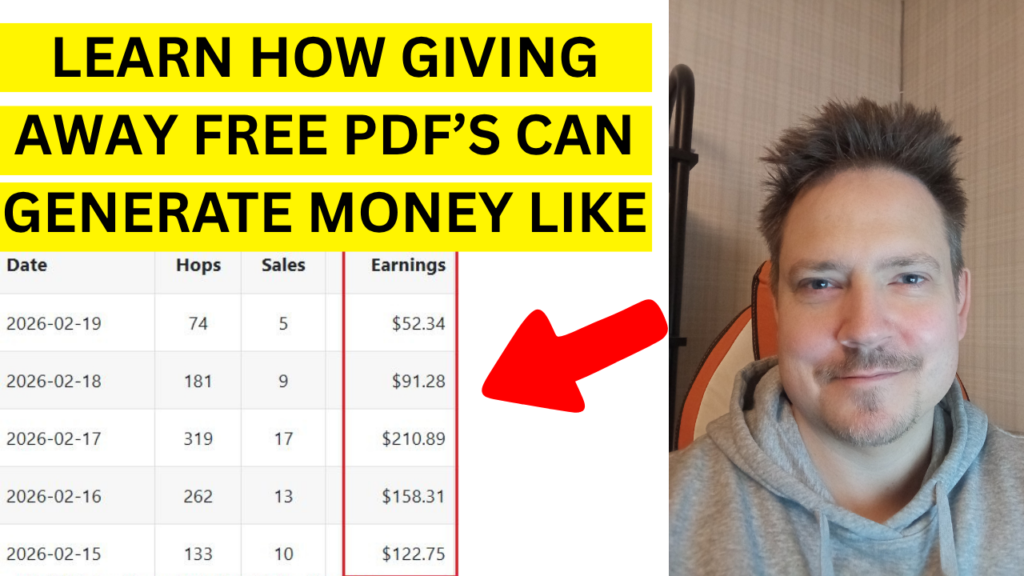
Click here to learn how to give away PDF’s to earn money!
Start by choosing the kind of virtual real estate that fits your budget and goals
Before I spend a dollar, I decide what job I want the asset to do. Do I want cash flow, a quick flip, a low-cost entry, or a place to build something useful? That choice changes everything.
Metaverse land, like parcels in Decentraland, The Sandbox, or Otherside, behaves more like speculative digital property. Its value often depends on traffic, community interest, nearby activity, and what owners build on top of it. Tokenized real estate is different. Instead of buying a virtual parcel, I buy a fraction of a real property through a platform that issues ownership-related tokens.
This quick comparison helps me sort them fast:
| Type | What I buy | Best fit | Main risk |
|---|---|---|---|
| Metaverse land | A parcel in a virtual world | Creative building, renting space, flipping | Low traffic, weak demand, sharp price swings |
| Tokenized real estate | A small share of a real property | Income, lower starting cost, diversification | Fees, low liquidity, platform and legal limits |
The takeaway is simple. Metaverse land is closer to digital development and speculation. Tokenized property is closer to fractional investing.
Metaverse land can pay off if you know how to create demand
I only look at metaverse land when there’s a clear reason people would visit or rent it. Prime spots matter most, especially parcels near roads, event hubs, branded districts, and busy social areas. On platforms like the Decentraland Marketplace, location is often the first filter I check.
Money can come from flipping, renting, ad placement, sponsored spaces, or events. Still, empty land often stays empty for a reason. If I can’t picture traffic, I don’t buy. A great parcel with no use case is like a mall kiosk in a ghost town.
Tokenized real estate can be a simpler way to earn income from home
Fractional ownership is plain English. Instead of buying a whole house, I buy a small slice of it. On some platforms, entry can start around $50 per share, which makes it easier to test the idea without going all in.
This model may pay rental income through stablecoins or platform payouts, but I still check fees, withdrawal rules, taxes, and resale options first. I also pay attention to access rules. For example, RealT is a well-known name in this space, yet its US notice has said the site is not open to US citizens or residents. That alone shows why platform rules matter as much as yield.
The main ways you can make money with virtual real estate
I group the income paths into four models: buying and selling, renting, building, and fractional investing. Each one can work from home, but each asks for a different skill set.
If I want speed, I look at flips. If I want cash flow, I care more about rent and payouts. If I enjoy creative work, building experiences can beat simple ownership. That last point surprises a lot of people, because sometimes the money isn’t in the land at all. It’s in what I put on it.
Buy low, improve the asset, then sell when demand is higher
Flipping sounds simple, but timing is hard. In metaverse land, I try to buy where future demand makes sense, then improve the parcel before I sell. That might mean adding a gallery, a game loop, an event setup, or a cleaner build that gives the land a purpose.
The same logic shows up in The Sandbox LAND sales. Buyers don’t only care about the map. They care about neighbors, audience, and what can happen on that plot.
Tokenized assets can also rise in price if a property becomes more attractive or if share demand increases on a secondary market. Still, that market may be thin. A higher quote means little if nobody buys. That’s why I treat flips as active work, not passive income.
Renting and leasing can turn idle virtual property into monthly income
Renting is often the first income model I look for because it forces me to think like an owner. In metaverse platforms, land can be leased to brands, artists, event hosts, creators, or advertisers who want a visible place without buying a parcel outright.
Older Decentraland leasing models, including LandWorks-style arrangements, showed how owners could turn unused parcels into paid placements. That setup makes sense when a world has active visitors and clear commercial spots.
Tokenized rental property works differently. Here, I may earn a share of rent from actual tenants in a real home or apartment building. Some platforms are known for frequent rental distributions, sometimes discussed as daily payouts. I still read the property page closely because payout history is not a promise. If tenant quality drops or repairs rise, income can shrink fast.
Building experiences can earn more than the land itself
This is where virtual real estate gets fun. A bare parcel is only a stage. The show is what earns money.
I see the best chances when owners build something people want to visit, share, or use. That could be a virtual store, mini-game, art gallery, pop-up event space, or ad-supported venue. A good build can raise resale value, attract renters, and create direct income from access, sponsorships, or digital sales.
Better yet, I don’t even need to own land to profit from this trend. I can build scenes, games, or branded spaces for landowners as a freelancer. That’s a huge point for anyone trying to make money from home. If I have design, 3D, or event skills, I can sell the shovel instead of mining for gold.
How to get started without wasting money
The fastest way to lose money here is to buy before I understand how the platform makes money. So I keep my first move boring. Boring works.
Fresh public reporting on this niche is limited as of April 2026, which makes caution even more important. When data is thin, hype gets louder. I trust payout history, user activity, marketplace depth, and clear rules more than social posts.
Use a simple starter plan before you buy anything
I use a short sequence before I touch any platform:
- Pick one model, metaverse land or fractional property.
- Learn how that platform creates value and where owners get paid.
- Review recent sales, lease activity, or payout history.
- Start with the smallest amount that lets me test the system.
For metaverse purchases, that usually means setting up a wallet like MetaMask and learning the buying flow before sending real funds. For fractional property, it means passing ID checks and reading the offering details. If I were comparing platforms, I’d study a metaverse site like Otherside differently than a tokenized property platform because the income logic is not the same.
If I feel rushed to buy, I stop. Good deals still look good tomorrow.
Check the numbers so the deal makes sense
I don’t need a giant spreadsheet. I need a few clear numbers.
The big ones are entry price, platform fees, token or gas costs, expected rent or payout, resale demand, and how easy it is to exit. If a parcel looks cheap but the transaction costs are high, the bargain isn’t real. If a token pays income but I can’t sell it later, that matters too.
I also compare the deal with simpler work-from-home options. If a virtual asset might pay $20 a month after fees, I ask whether my time would earn more doing freelance work, content editing, or a side gig I already understand. That one habit keeps me from chasing shiny objects.
The risks are real, so protect your money from the start
Virtual real estate can drop fast. Prices swing, buyer interest dries up, and platforms lose users. In metaverse land, a parcel may look valuable until traffic disappears. In tokenized property, the asset may keep paying for a while but still be hard to sell when you want out.
Scams and hacks add another layer. Fake listings, wallet drains, and copycat sites are common in crypto-linked markets. Rules can change too, especially around tokenized assets, platform access, and who can buy in the US.
I treat this space like venture money, not rent money. If losing the full amount would hurt my bills, I don’t invest it.
Red flags that should make you walk away
I leave fast when ownership terms are vague, user activity is weak, payout claims feel fuzzy, compliance details are missing, or trading volume looks thin. Pressure is another warning sign. If someone says I must buy now, I assume the deal needs my panic more than my money.
I also verify every listing on an official site or marketplace before I connect a wallet. Random links from social media are where bad decisions multiply.
Virtual real estate works best when I treat it like a business model, not a lottery ticket. The best fit depends on what I want most: cash flow, creative work, or pure speculation.
My next step would be simple. I’d choose one platform, study it for a few days, and start with the smallest test amount I can. In this space, small and smart beats fast and hopeful every time.