
A lot of people want home income, but far fewer want another fake promise. I get it. If I were trying to build real income from home, I wouldn’t start with hype. I’d start with work people already pay for.
When I think about how to make $200 a day working from home, I see two honest paths. The first is one strong service that pays well. The second is a mix of smaller income streams that add up. Beginners usually need time to build. People with experience can reach the goal faster.
I recommend checking each platform’s terms, payment rules, and tax guidance on IRS.gov before taking your first job. Then I’d focus on freelancing, remote service work, affiliate content, digital products, and a few small task fillers.
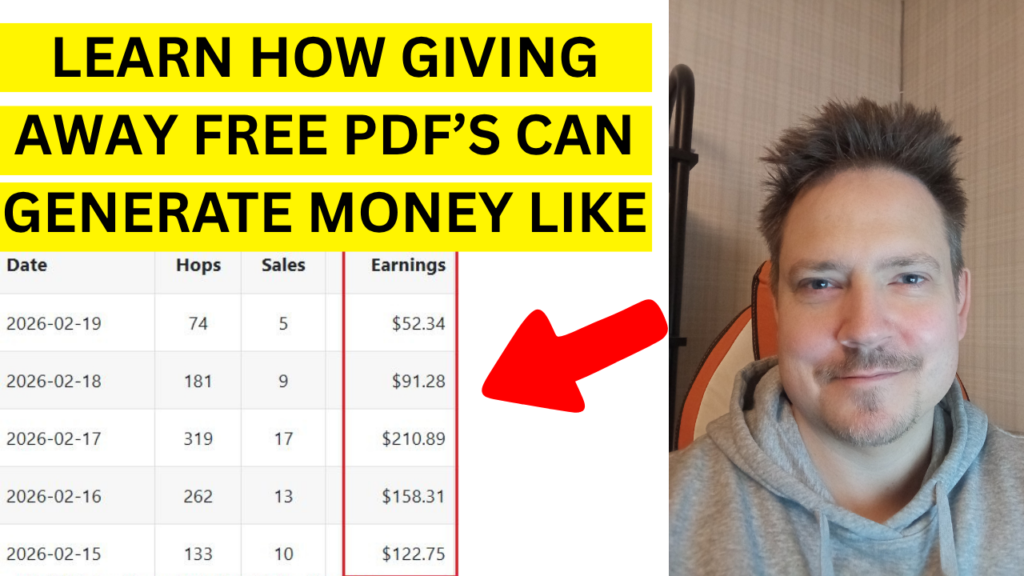
Click here and learn how to make a full time living, giving away PDF’s to strangers online!
Start with the fastest path, sell a skill people already pay for
The quickest route to $200 a day is usually service work. I like this path because it doesn’t require a huge audience, a fancy website, or months of waiting. It requires one useful offer, a fair rate, and a place to find buyers.
In 2026, demand still looks strong for writing, graphic design, coding, virtual assistant work, bookkeeping support, and transcription. Those are simple, useful services. Businesses need them every week. If I wanted a fast start, I’d compare marketplaces first, then pick one lane. This Upwork vs. Fiverr comparison is a helpful place to see how the two platforms differ before I build a profile.
Pick one service you can deliver well in a few hours
I wouldn’t start by asking, “What’s trendy?” I’d ask, “What can I finish well by Friday?” That shift matters. Your best first service might come from office work, school projects, volunteer work, or daily life.
For example, I could offer inbox cleanup, calendar management, blog writing, Canva graphics, data entry, bookkeeping help, or transcription. None of those need a huge brand. They need clear output and good communication.
This simple math makes the goal feel less scary:
| Daily target | One way to hit it |
|---|---|
| $200 | 1 project at $200 |
| $200 | 2 jobs at $100 each |
| $200 | 4 tasks at $50 each |
The takeaway is simple: $200 a day is often a pricing problem, not a magic problem.
Use beginner-friendly platforms to land your first paid job
When I set up a freelance profile, I keep it tight. One sentence says who I help. One line explains the result. Then I show two or three sample tasks. That’s enough to start.
On platforms like Upwork and Fiverr, a clear starter package works better than a vague promise. Instead of “I can help with admin,” I’d write, “I will organize your inbox and calendar for one week.” Buyers understand that fast.
At first, reviews matter more than perfection. So I’d focus on fast turnaround, clear updates, and clean delivery. After a few wins, rates can go up. I would not stay cheap for long. Low prices attract rushed buyers and small budgets. Better clients pay for speed, accuracy, and less hassle.
If bookkeeping is your skill, tools matter too. I like using systems that track income and expenses from day one, and QuickBooks Self-Employed shows the basics for freelancers.
Build a simple income stack if one gig does not cover the full $200
Sometimes one client won’t cover the full target yet. That’s fine. I think of that gap like a half-full bucket. Instead of waiting for the perfect offer, I’d stack a few smaller streams around the main one.
Low-skill task sites usually won’t carry the full day by themselves. Still, they can fill dead time while a stronger service grows. That’s the right way to use them.

Mix high-pay work with small online tasks to close the gap
A realistic daily mix might look like this: $100 from freelance writing, $50 from admin help, and another $20 to $50 from surveys, user testing, or rewards apps. That’s not glamorous, but it’s honest.
I would treat sites like Survey Junkie, Swagbucks, Freecash, and InboxDollars as fillers, not foundations. If I had 30 spare minutes between client jobs, I might use them. If I needed rent money, I would not depend on them alone. This Survey Junkie earnings review gives a grounded look at what survey income can look like in practice.
If a side hustle pays pennies and eats hours, I stop calling it a hustle and start calling it a distraction.
That rule saves a lot of time.
Set a daily target by hours, not just by wishful thinking
I like breaking $200 into hourly targets. It shows the real path fast.
If I work 8 hours, I need $25 an hour. If I work 4 hours, I need $50 an hour. That’s why higher-value work matters. Tiny tasks can help, but they rarely create a strong income alone.
Tracking matters here, too. I would log time, payouts, platform fees, and expenses every week. Otherwise, a $200 day can turn into a much smaller profit. Even a simple spreadsheet works. If I wanted less manual work, I’d use bookkeeping software and review totals every Sunday.
This is where many people get stuck. They chase a big number but ignore the math behind it. Once I look at hours and net pay, the best option usually becomes obvious.
Use content and digital products to grow beyond trading time for money
Service work gets cash moving. After that, I like adding income that doesn’t depend on my full attention every hour. Content and digital products fit that role well.
These methods are slower. They take setup, testing, and patience. Still, they can create steady income over time, which makes the whole plan stronger.
Affiliate content can grow into daily income once your posts or videos rank
Affiliate marketing works when I recommend products I trust and people buy through my link. The core idea is simple. I make useful content, help someone solve a problem, and earn a commission when my recommendation leads to a sale.
That content can be a blog post, Pinterest pin, social post, YouTube video, or email newsletter. The catch is timing. This is not same-day money. It usually takes traffic, trust, and consistency.
Some creators do reach $100 to $200 a day this way, but it comes after they build a library of helpful content. I’d stick to honest reviews, clear disclosures, and real comparisons. Networks like Amazon Associates, Impact, and ShareASale are common starting points. If I wanted a broader look at current options, this affiliate network roundup is a useful reference.
Digital products and print-on-demand can earn while you sleep, after setup
I like digital products because one good file can sell many times. Think planners, templates, budget sheets, lesson materials, or niche printable packs. Print-on-demand and low-content books work on the same idea. I create once, then the platform handles delivery or printing.
Amazon KDP and Etsy are popular for this because they already have buyers. The challenge is quality. Cheap, rushed products don’t last. AI tools can help with ideas, drafts, and layout help, but I still need to improve the product and make it useful for a real person.
If I wanted to learn how low-content publishing works, I’d start with this Amazon KDP low-content guide. Then I’d pick one tiny niche, like meal planners for truck drivers or reading logs for homeschool families, instead of trying to sell to everyone.
This is best as a medium-term stream. I would not expect it to replace service income in the first week.
Avoid bad advice, scams, and burnout while you work toward $200 a day
The internet is full of shiny shortcuts. Most of them waste time, drain energy, or ask for money before they offer anything real. I try to stay boring here, because boring choices usually pay better.
Watch for red flags before you give anyone your time or money
I move on fast when I see upfront fees for job access, vague income claims, pressure to recruit others, or weak proof of payment. The same goes for platforms that hide payout rules or ask for too much personal data too soon.
I also read reviews before joining anything. Then I check how payments work, what fees apply, and how disputes get handled. For taxes and consumer safety, I’d review IRS.gov and FTC consumer guidance before treating any platform like a business partner.
Choose the best plan for your stage, beginner, skilled worker, or long-term builder
If I were a beginner, I’d start with one service plus small task fillers. That builds confidence and cash flow at the same time.
If I already had a strong skill, I’d raise my target and sell a higher-ticket offer. One booked client can beat a full day of tiny gigs.
If I were thinking long term, I’d keep the service income running and add affiliate content or digital products on the side. My simple action plan for this week would be: choose one service, create one profile, send five pitches, and set one weekly income target.
You do not need ten ideas. You need one path you can stick with.
Making $200 a day from home is possible, but the most reliable route is still the least flashy. I’d start with one paid service, add a small income stack if needed, and build scalable income only after money starts coming in.
That approach keeps the lights on while bigger projects grow. It also keeps me out of the trap of chasing random apps all day.
Pick one service today, join one platform, and set your first weekly goal. The fastest progress usually starts with one clear offer and one paid job.