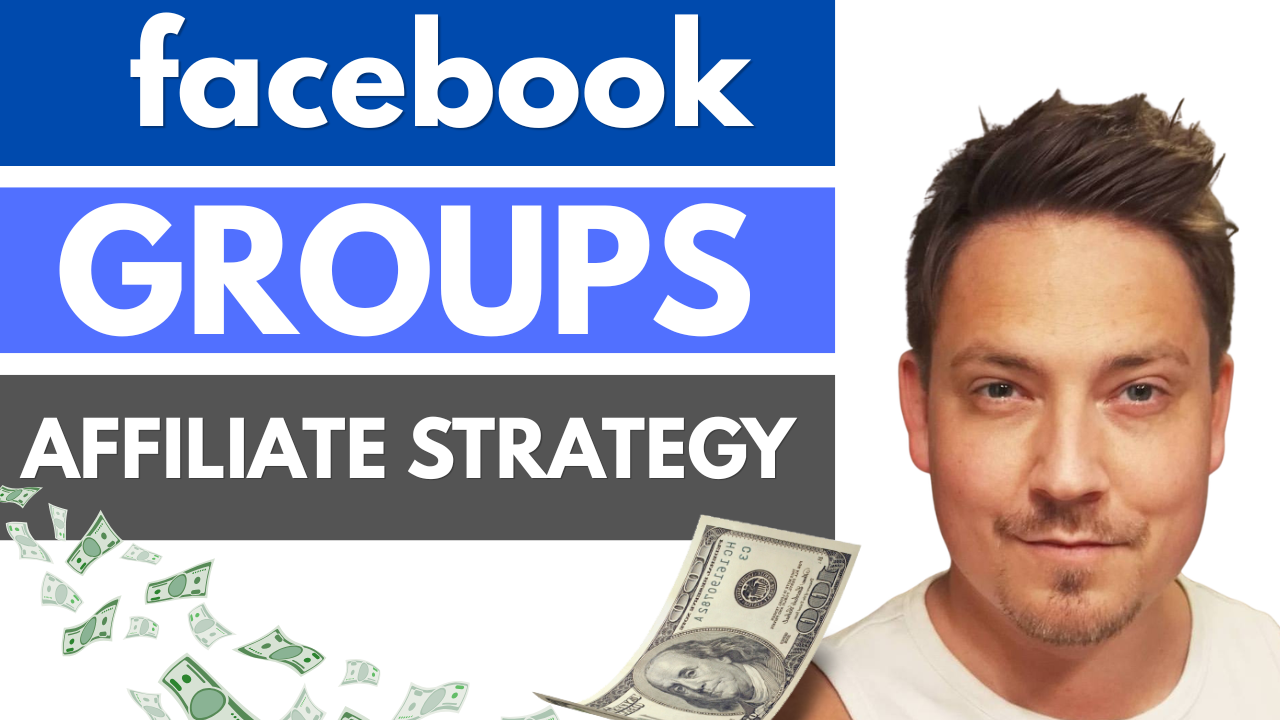
Getting clicks from Facebook groups isn’t about being loud. It’s about being useful. If I want to show someone how to promote affiliate links on Facebook groups, I start with one promise: I can do it without getting posts removed or losing trust.
Facebook groups still work in 2026 because they bring together people with the same problem, hobby, or goal. That focus matters. Still, sales don’t come from dropping links everywhere. They come from group fit, timing, and trust.
Once I treated groups like communities instead of traffic machines, my results improved fast. Here’s the practical way I do it.
Start with the rules, or your post may never last
Before I promote anything, I check the house rules. Every Facebook group has its own line in the sand. Some welcome promotions on certain days. Some allow links only in comments. Others ban outside links completely.
That part is non-negotiable, because one bad post can get me muted, deleted, or banned. As of April 2026, many marketers are also seeing weaker reach when links sit in the main post, especially on non-verified accounts. Current coverage of Facebook’s new link rules points in the same direction, which is why I often keep the main post helpful and place the link in a comment when the group allows it.
If I skip the rules, I don’t have a promotion strategy. I have a short trip to the ban list.
Read the pinned posts, group description, and promo policy first
I never assume a group works like the last one. First, I read the pinned post. Then I check the group description and any featured admin notes.
I’m looking for a few common signs: banned link types, self-promo days, weekly promo threads, approval-only posts, and rules about DMs. If admins say “no affiliate links,” I take that literally. If they say “promo Friday only,” I wait.
This takes two minutes, and it saves a lot of damage.
Tell people when a link is an affiliate link
I always disclose it. A simple note works fine, like “affiliate link,” “#ad,” or “I may earn a commission if you buy through this link.”
That small line does two jobs. First, it keeps my post honest. Second, it lowers suspicion. People click more often when they feel I’m being straight with them.
Choose Facebook groups where your offer actually makes sense
The biggest group is rarely the best group. I care more about fit than size, because random traffic doesn’t pay well and often creates complaints.
When I look for groups, I want active members, real talk, and a clear topic. A group with 8,000 engaged people can beat a group with 150,000 silent members every day of the week. Resources on Facebook group best practices keep stressing the same point: healthy groups grow through discussion, not through inflated member counts.
Look for active groups with real conversations, not dead member counts
I scan the feed before I join or post. If I see fresh posts each day, comments that sound human, and members asking clear questions, that’s a good sign.
I also pay attention to the type of questions. If people ask for tool suggestions, product comparisons, or beginner help, I know there may be room for a relevant recommendation later. If every post gets no replies, I move on.
A quiet group can look impressive from the outside. Inside, it’s often a ghost town.
Match the product to the group’s main problem
Relevance makes everything easier. If the offer solves the group’s main problem, my post feels useful. If it doesn’t, my link feels like clutter.
Here’s the difference I watch for:
| Group topic | Good affiliate fit | Bad affiliate fit |
|---|---|---|
| Home workouts | Resistance bands, meal planners, fitness apps | Crypto course |
| New bloggers | Email tools, hosting, keyword tools | Dog grooming kit |
| Budget travel | Luggage, travel cards, booking tools | Baby formula |
The closer the offer matches the daily conversation, the safer it feels to readers and admins. I’ve also seen spam-free Facebook advice from Wealthy Affiliate’s guide make the same case: fit beats force.
Build trust before you ever share a link
This is the part most beginners skip, and it costs them. I don’t post an offer on day one. I spend time showing up first.
For me, that means answering questions, leaving helpful comments, and sharing quick wins without asking for anything back. In many groups, I wait one to two weeks before I even think about sharing a link. If members start liking my comments, replying to me, or tagging me, I know I’m no longer a stranger.
That waiting period isn’t wasted time. It’s the warm-up that makes later clicks possible.
Show up in comments with useful answers people remember
I like short, clear comments that solve one thing well. If someone asks why their email open rate is low, I don’t write a speech. I give one tip, one example, and one next step.
That kind of reply gets remembered. Over time, my name starts to look familiar. That’s huge in Facebook groups, because most people don’t buy from strangers in a comment thread.
Trust grows in the comment section long before it shows up in your clicks.
Use stories, tips, and mini reviews instead of hard sells
When I do mention a product, I keep it natural. A short story works better than a pitch. So does a mini review with one honest pro and one honest con.
For example, I might say I tried a tool because I needed a faster way to track sales, then share what improved and what felt annoying. That feels like a person talking, not an ad. Current roundups like this 2026 Facebook affiliate marketing guide also lean toward value-first posting for the same reason: people respond to context, not pressure.
Share affiliate links in a way that gets clicks and keeps admins happy
Once I’ve built some trust and checked the rules, I can promote without sounding pushy. The key is simple: the post itself should help even if nobody clicks.
That means I lead with a tip, a lesson, a short demo, or a personal result. Then I place the link where it fits best. In many groups, that means the comments. In others, a helpful blog post or review page works better than dropping a raw affiliate link.
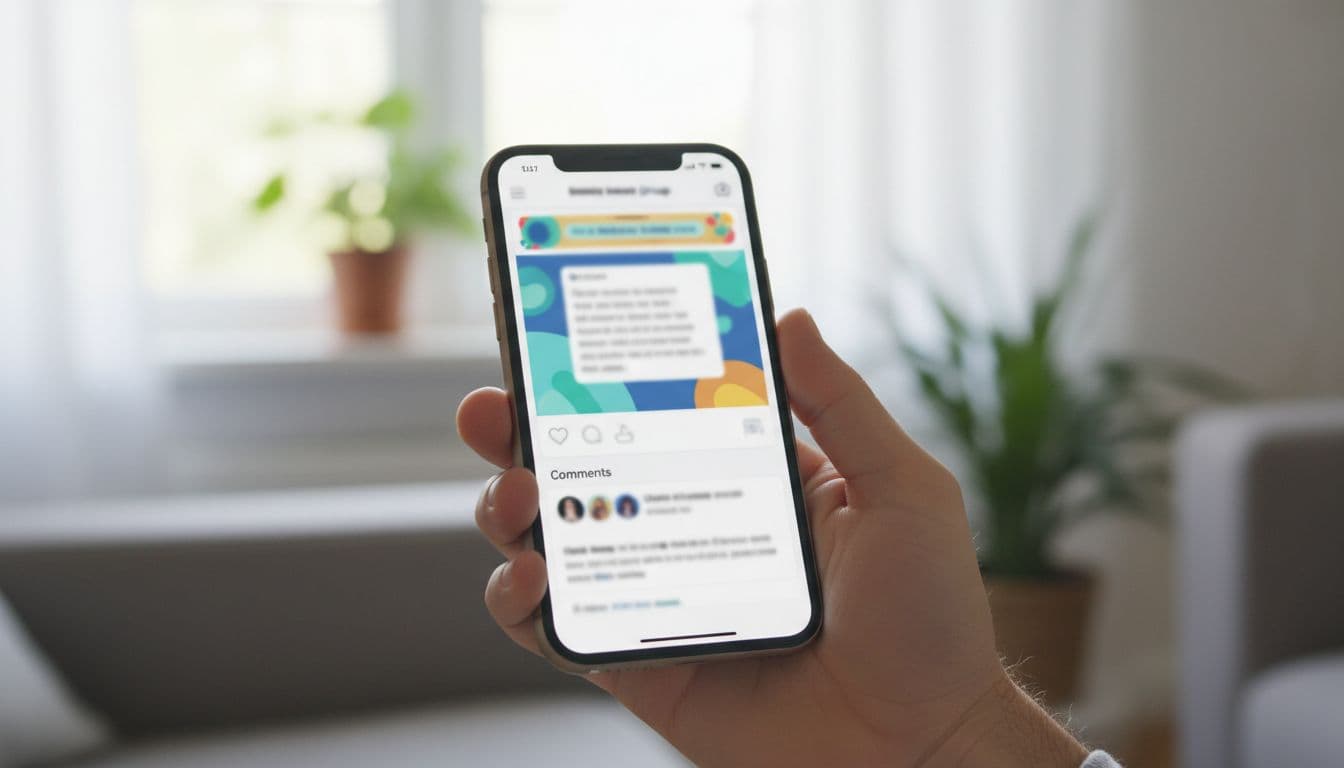
Short text posts and quick phone-shot videos often beat polished ad-style content here. Groups reward useful, human posts.
Lead with a helpful post, then place the link where it fits best
If I’m sharing a productivity app, I don’t open with “Here’s my link.” I start with the problem. Maybe I explain the one setting that saved me an hour a day. Then, if people want it, I add the link in a comment with a clear disclosure.
That approach works because it respects the feed. It also lines up with what many marketers now report: comment links can feel less intrusive and may avoid some of the weak reach that main-post links face.
Send people to a useful bridge page when direct links feel too pushy
Sometimes a direct affiliate link is too cold. In that case, I send people to a review, tutorial, checklist, or email opt-in page first. That extra step can raise trust because it gives context before the offer appears.
I use bridge pages when the product needs explanation, when the niche is skeptical, or when the group dislikes raw links. Ideas for promoting links through helpful content, instead of forcing direct clicks, show up in guides like GetResponse’s advice on promoting affiliate links.
A bridge page also lets me explain who the product is for, who it isn’t for, and why I recommend it.
Avoid the mistakes that get ignored, deleted, or banned
Most failed group promotions are easy to spot. They show up too soon, in the wrong group, with a weak post and a naked link.
I avoid volume for the sake of volume. Posting more often doesn’t fix poor fit. It usually makes the problem louder. That matters even more in 2026, while updates around Meta’s original content rules keep rewarding original, useful posts over low-value repeats.
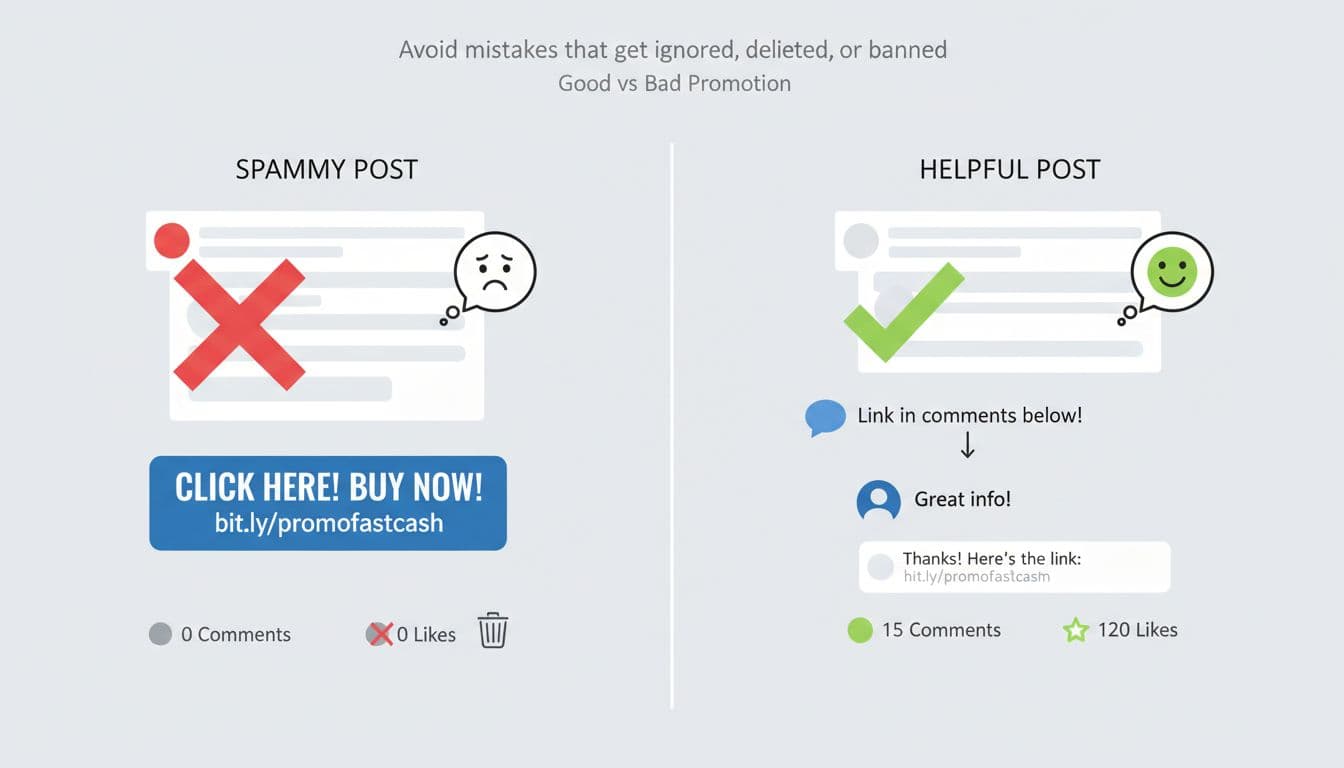
Don’t post too often, too soon, or in the wrong group
I don’t rush into five groups on the same day with the same message. That’s the fastest way to look like spam.
Instead, I post with moderation. Timing matters. Relevance matters more. If the group doesn’t need the offer, no copy trick will save it.
Make every link feel safe, useful, and worth the click
Ugly links scare people off. So do vague calls to action like “check this out.” I tell readers what they’ll get if they click, such as a demo, review, checklist, or discount.
I also track my links for testing, but I keep the setup simple. What I care about most is whether the post solved a real problem before asking for the click.
You don’t need to spam Facebook groups to get affiliate sales. You need the right group, a real reason to be there, and enough trust to make your recommendation feel welcome.
If I were starting today, I’d pick five relevant groups, read every rule, and spend the next seven days helping people before sharing any offer. That’s still the fastest way to build safe, steady clicks that don’t disappear the moment an admin gets annoyed.