You don’t need a website, paid ads, or a huge following to start affiliate marketing in 2026. I’d even say that free platforms, free affiliate programs, and steady posting are enough to get your first clicks.
If you’re trying to learn how to start affiliate marketing with no money step by step, keep it simple. Affiliate marketing means I recommend a product or tool, share a special link, and earn a commission if someone buys through it. That’s it.
The hard part isn’t money. It’s focus. Once I pick one topic, one platform, and one posting routine, the whole thing gets much easier.
Start with a niche you can talk about for months
A niche is the topic I build around. Picking one clear subject makes everything easier, from content ideas to product choices to trust. If I try to talk about fitness, money, skincare, apps, and pets all at once, my page feels random. People don’t know why they should follow.
In 2026, some beginner-friendly niches still have strong demand. I keep seeing people do well with personal finance, home fitness, beauty, software, pets, and home improvement. AI tools and SaaS are also hot right now, but I only pick them if I can explain them in plain English.
Choose a topic people already search for and buy in
I like niches where people both search and spend. That’s the sweet spot. A topic may get attention, but if nobody buys in that space, it won’t help much.
A few easy examples:
- Home workouts for beginners
- Budgeting apps for students
- Pet gadgets for anxious dogs
- Beginner skincare for oily skin
- AI writing tools for freelancers
To check demand for free, I use Google Trends, Google search suggestions, AnswerThePublic, Ubersuggest, and Keyword Tool’s free search ideas. If I see lots of questions, comparisons, and “best” searches, that’s a good sign people are ready to learn and buy.

Keep your niche narrow so your content is easier to trust
Broad niches are like giant supermarkets. They sell everything, but they take forever to build. A narrow niche is more like a small shop with one clear purpose.
So instead of “fitness,” I’d go with “home workouts for beginners over 40.” Instead of “money,” I’d try “budget apps for college students.” That focus helps people know what to expect, and it helps me make content faster.
A tight niche doesn’t limit me, it gives me a lane.
Join beginner-friendly affiliate programs that cost nothing to use
I don’t need to wait until I have a big audience to apply. In fact, I like signing up early so I can study the links, product pages, and payout rules before I post.
The goal is simple: find offers that match my niche, make sense to beginners, and lead to a clean sales page. If a product page is confusing, hard to trust, or too broad, I skip it.
Pick affiliate networks and programs that are easy to join
An affiliate network is a place where lots of brands host their programs. I join one account, then browse offers inside it. That’s why networks are helpful at the start.
Beginner-friendly names still include Amazon Associates, ClickBank, ShareASale, and AFFspace. Some brands run their own in-house programs too. If I want a current list of options, I can browse affiliate programs for beginners without a website or a roundup of free affiliate programs for 2026.
Approval varies. Some programs accept me fast. Others want a live profile, a few posts, or a short note about how I’ll promote. Either way, I read the rules first, because some merchants ban certain traffic sources or link methods.
Save your links, disclosures, and product notes in one place
This part sounds boring, but it saves a lot of stress. I keep one free Google Doc, Notion page, or spreadsheet with:
- Product name
- Affiliate link
- Commission rate
- Cookie length
- Best angle to promote
- Notes on who it’s for
I also save a short disclosure I can reuse, like “I may earn a commission if you buy through my link.” That matters because readers deserve honesty. If I want a plain-English breakdown, this guide on FTC affiliate disclosure rules explains what clear disclosure should look like.
Build your free setup before you try to sell anything
I don’t need a website to begin. What I do need is one simple place online that looks real, clear, and helpful.
That means one main platform, one profile, and one easy way for people to find my links. I focus on action, not perfection.
Choose one main platform first, then add a second one later
Trying to post everywhere from day one is a fast way to quit. I’d start with one platform that fits how I like to create.
Here’s a quick way I think about it:
| Platform | Best for | Why I’d choose it |
|---|---|---|
| TikTok | Short video | Fast testing, strong reach |
| Visual tips and Reels | Good for niche branding | |
| YouTube Shorts | Search plus video | Posts can keep getting views |
| Search-based visuals | Strong for evergreen topics | |
| Email list | Deeper trust | Best after I have traffic |
Short-form video still matters a lot in 2026, and repurposing matters even more. One idea can become a Reel, Short, Pin, and caption post. If I want to see how no-website Pinterest promotion works, this Pinterest affiliate marketing example shows the concept clearly.
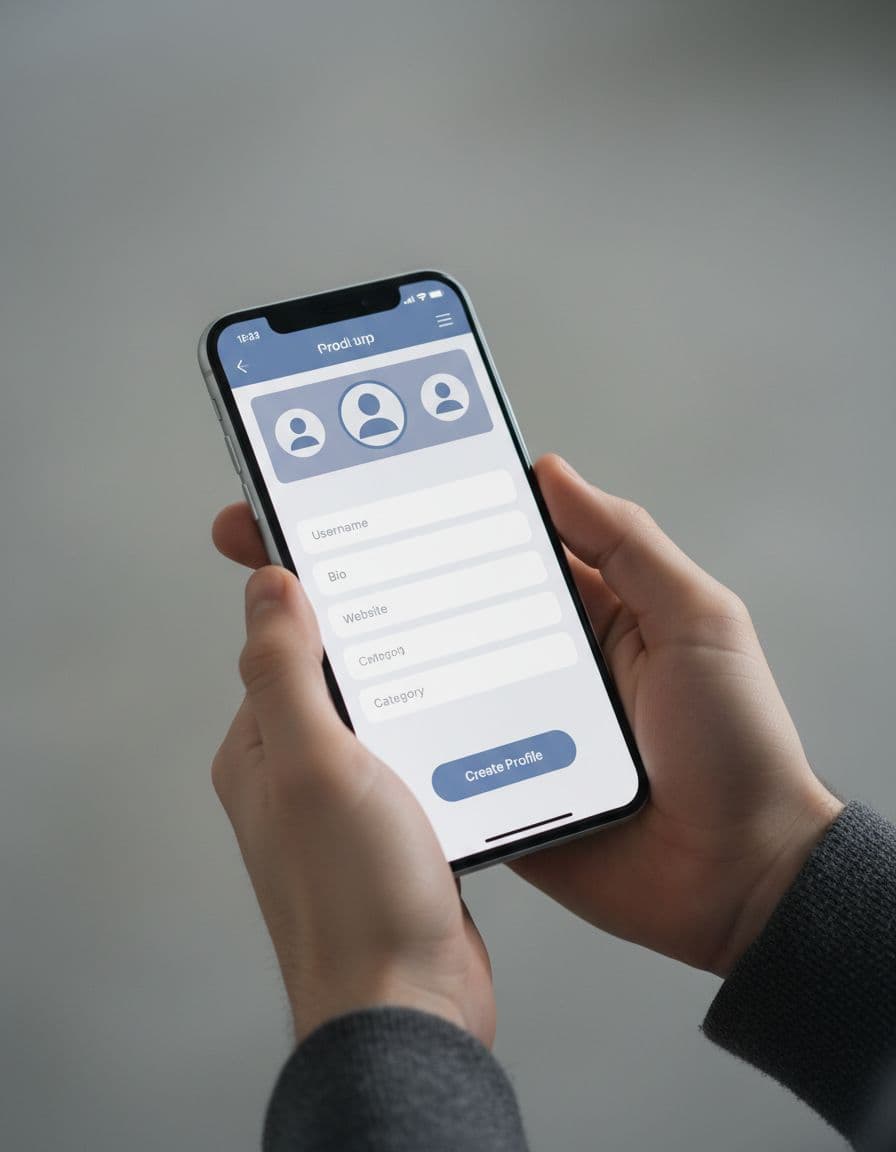
Create a profile that makes people trust your recommendations
My profile should answer one question fast: what do I help with?
I keep my username simple, use a clean photo or brand image, and write a bio that makes one promise. For example, “Helping busy beginners find easy home workout tools.” That’s enough.
A personal brand works great. A faceless brand can work too. What matters is that the page looks focused. If I need one link for several offers, a link-in-bio tool like Linktree can help, as long as it stays clean.
Use free tools to make content faster and easier
I don’t need fancy software. Free tools handle almost everything early on.
Canva helps with graphics. CapCut makes short videos easy. ChatGPT can help me brainstorm hooks or titles. My phone notes app is great for quick ideas. Google Docs keeps scripts and captions in one place. Built-in editors on TikTok, Instagram, and YouTube are often enough.
The point isn’t polished content. The point is clear content that I can make every week.
Create helpful content first, then place affiliate links where they fit
This is where beginners either build trust or lose it. If I lead with “buy this now,” most people scroll away. If I solve a small problem first, people listen.
Make content that solves small problems and answers real questions
The best beginner content is useful, not flashy. I like formats such as short reviews, simple tutorials, side-by-side comparisons, mistakes to avoid, and “best tools for beginners” posts.
For example, if my niche is budgeting apps, I might post “3 budgeting app mistakes college students make” or “Mint vs YNAB style apps for total beginners.” That works because problem-solving content meets people where they are.
Personal experience-style posts help too, even if I’m new. I don’t need to pretend I’m rich or famous. I can say what I tested, what confused me, and what I’d recommend first.
Follow a simple weekly posting plan you can stick to
I keep the schedule realistic. Three to five short posts a week on one platform is enough to start.
A simple rhythm looks like this:
- Brainstorm 10 small problems in my niche.
- Turn 3 to 5 into short posts.
- Reuse the best one in another format.
- Track which topic gets saves, clicks, or comments.
I batch ideas in one sitting and write short scripts in my notes app. Some posts will flop. That’s normal. I keep posting anyway, because early progress often looks like views and clicks before it turns into commissions.

Add affiliate links in a natural way, without sounding spammy
I place links where they support the content. That might mean a link in bio, a video description, a blog-style caption, an email, or a pinned comment when allowed.
Still, I check platform rules first. Some platforms don’t love direct affiliate links, and some merchants don’t allow every traffic source. The safest move is simple: recommend tools that fit the post, and add a short disclosure near the link.
Track what works, fix what doesn’t, and grow from your first clicks
Affiliate marketing gets easier once I stop guessing. I don’t need deep analytics at the start. I only need a few useful signals.
Watch the numbers that matter most in the beginning
I pay attention to views, saves, clicks, click-through rate when a platform shows it, and sales inside the affiliate dashboard. Comments matter too, because they show what people still want help with.
Early wins may not be commissions. Sometimes the first real signs are a saved post, a DM, or a few link clicks. That’s still progress.

Use small improvements to reach your first commission faster
I don’t change everything at once. Instead, I make small fixes.
If one hook gets more views, I test more posts like it. If a post gets saves but no clicks, I improve the call to action. If one sub-topic keeps working, I go deeper there. Then I repurpose that winner across other platforms.
Once I earn my first commissions, I can reinvest into a domain, better tools, or email marketing. On day one, though, I don’t need any of that. I need focus and reps.
Starting with zero dollars isn’t the problem most people think it is. The real win comes from choosing one niche, joining a few free programs, using one main platform, and posting helpful content every week.
If I were starting today, I’d do one thing before anything else: pick a narrow niche and apply to one affiliate program that matches it. That single move turns a vague idea into a real business.