You don’t need a blog, an online store, or a fancy funnel to start affiliate marketing. That’s the BIG reason this path feels so doable for beginners, it costs less, moves faster, and skips a lot of tech stress.
Right now, I can build traffic on TikTok, YouTube, Pinterest, email, Reddit, Quora, Medium, and Substack. In 2026, that matters more than ever because people buy through content they trust, not because someone owns a domain.
If I want to make money with affiliate marketing without a website, I need a clear plan, honest expectations, and steady effort. That’s what I’m laying out here, along with the mistakes that waste time early.
What affiliate marketing without a website really looks like
In plain English, affiliate marketing means I recommend a product or service and earn a commission when someone buys through my link. A website can help, but it isn’t the whole model. If I can reach people another way, I can still make sales.
The real engine is trust. If I post useful content, match the right offer to the right audience, and make the next step clear, I can get clicks without owning a site. Sometimes that means a direct affiliate link, if the platform and program allow it. Other times, I’ll use a simple link-in-bio page or creator storefront.
Why this works for beginners who want a low-cost start
This setup works because I can start small. I don’t need hosting, a theme, plugins, or design skills on day one. I can pick one platform, make a few posts, and learn faster by watching what gets clicks.
That speed is a big deal. I can test content angles in days, not months. Still, there’s a trade-off. I don’t control TikTok, YouTube, Pinterest, or Instagram. If a platform changes reach or rules, my traffic can drop fast. That’s why I treat social traffic as the start, not the finish. Over time, I want an email list I own.
What you need before you post your first affiliate link
Before I post anything, I need four basics: a niche, a rough idea of who I’m helping, one content angle, and the rules for the program I join. Without that, I’m guessing.
I also check whether the affiliate program accepts creators without websites. Some do, some don’t, and approval rules change. In many cases, beginners can start with Amazon, ClickBank, ShareASale, or Impact, but I always verify the current terms first. This roundup of beginner-friendly affiliate programs without a website is a helpful starting point.
The best places you can promote affiliate offers without a website
Not every platform fits every product. Some channels are built for quick discovery, while others work better for search, trust, or repeat clicks. In 2026, I’ve found the strongest free channels are the ones that reward useful content, not loud selling.
Short-form video on TikTok and YouTube Shorts for fast reach
Short video is still the fastest way I can get seen with a small audience. That’s because both TikTok and YouTube Shorts push good content to new viewers, even when I’m not established yet.
Simple ideas work well here. I can film a quick product demo, show a mistake to avoid, share a mini review, post before-and-after results, or make a short roundup of tools I use. Right now, shoppable videos and TikTok Shop-style buying paths are getting a lot of attention in the US, especially for impulse buys and product-led niches.
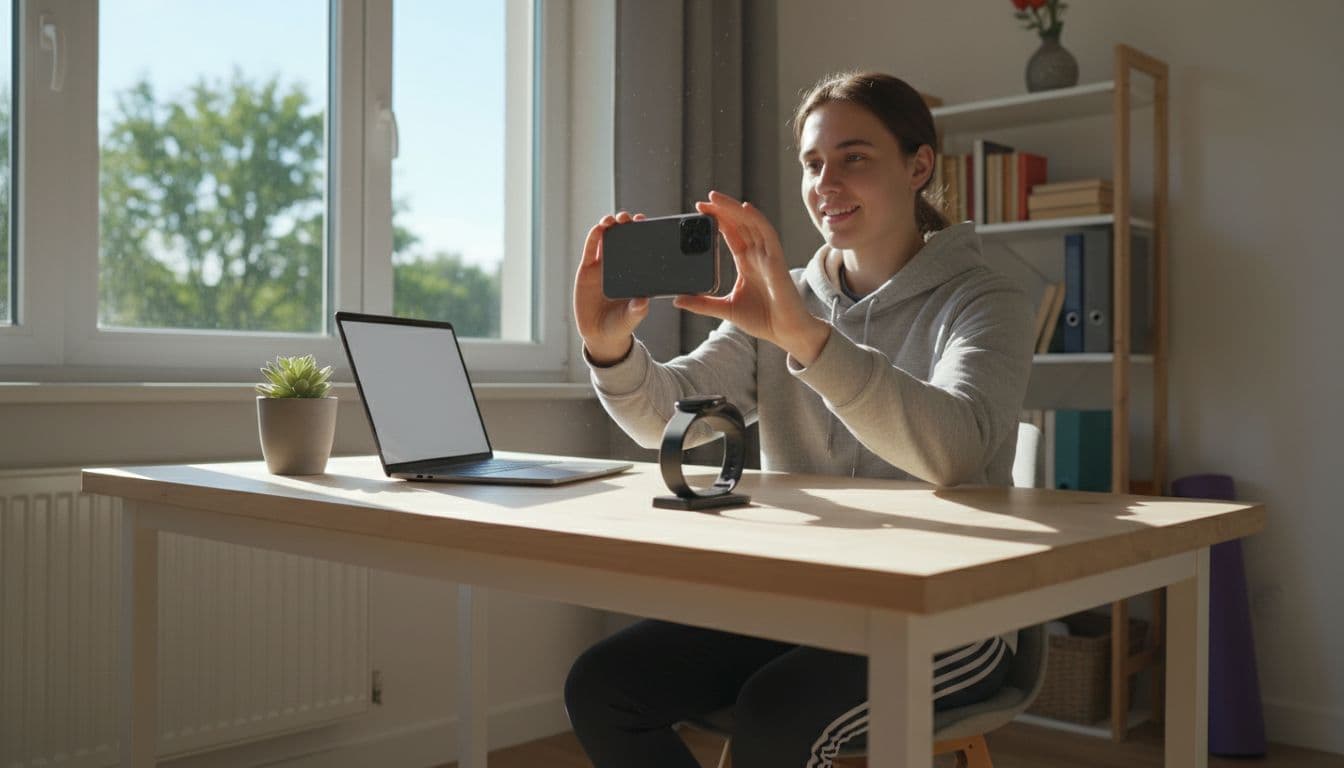
On TikTok, I’ll usually need a link-in-bio page unless I’m using in-app shopping features. On YouTube, I can place affiliate links in the description and mention them in the video. If I want platform-specific ideas, this TikTok creator affiliate guide shows how small creators are using short video well.
Pinterest, Instagram, and Facebook groups for steady clicks
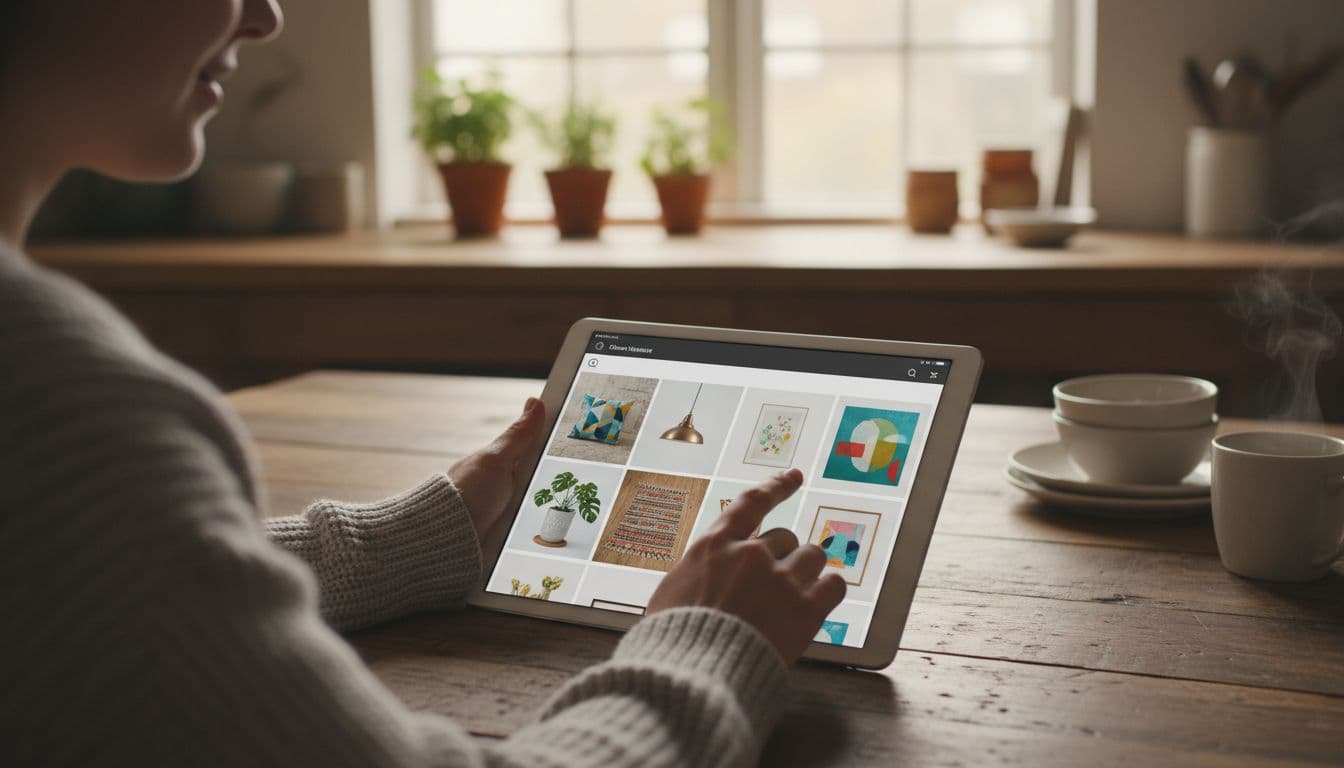
Pinterest is great when I want longer-lasting traffic. A solid pin can keep getting clicks because Pinterest acts more like a search engine than a fast-moving feed. That makes it a good fit for home decor, beauty, recipes, gifts, and DIY-style content.
Instagram works differently. Reels help with reach, Stories help with clicks, and a bio link holds the whole thing together. If I’m visual, this platform can work well, especially when I show real use, not staged hype.
Facebook groups can also send traffic, but only when I respect the space. I add value first, answer questions, and follow each group’s rules before I ever share an offer. Pinterest also has policy limits around affiliate links, so I like checking current best practices in this Pinterest affiliate marketing guide.
Email, Reddit, Quora, Medium, and Substack for trust-based traffic
Email gives me more control than any social app because I own the list. Even a small list matters if people joined because they trust my topic. A free checklist, short guide, or product comparison can be enough to get that first signup.
Reddit and Quora only work when I answer real questions. If I dump links, I look spammy and get ignored fast. But if I explain what worked for me, give context, and only share a link when it fits, I can earn attention the right way. Buyer-intent threads are especially useful, and these Reddit affiliate marketing case studies show why.
Medium and Substack sit in a nice middle ground. I can publish helpful articles or short newsletters without building a full site. If I like writing more than video, that’s a strong place to start.
My simple plan to get clicks, build trust, and make sales
When I keep the process simple, affiliate marketing gets easier to manage. I’m not trying to be everywhere. I’m trying to help one kind of person solve one clear problem, then guide them to one useful offer.

Pick one niche, one platform, and one offer first
Starting narrow beats posting random product links all over the internet. If I know a niche well, my content sounds more real, and people can feel that.
For example, I might promote fitness gear on TikTok, software on YouTube, or home decor on Pinterest. That kind of match makes content easier to create and easier to trust. In 2026, brands are paying more attention to micro and nano creators because smaller audiences often engage harder. I don’t need huge numbers. I need the right people.
Create content that helps first and sells second
Helpful content does the pre-selling for me. Tutorials, honest reviews, simple comparisons, checklists, and problem-solution posts all work because they answer the question before the click.
I try to show real use cases, not vague praise. I talk about pros and cons, who the product fits, and where it falls short. That honesty makes the recommendation stronger, not weaker.
Helpful content earns the click. Hype chases it away.
I also disclose clearly that I may earn a commission. That small step builds trust and keeps me on safer ground with platform and program rules.
Use a simple funnel so people know what to do next
My beginner funnel can be extremely plain: content, then link in bio or description, then offer page. That’s enough to start.
If I want more control, I’ll send people to a free lead magnet first, then follow up by email. This works well when the offer needs more trust, like software, education, or higher-priced tools. Simple tracking matters too. Cookie-based tracking isn’t the whole story now, so promo codes, creator storefronts, and clean link paths are getting more common. For a broader view, this guide on affiliate marketing without a website in 2026 covers the model well.
Mistakes that stop most beginners from making money
Most beginners don’t fail because the model is fake. They fail because they rush the boring parts, pick too many directions, or post links before anyone has a reason to care.
Posting affiliate links without enough value or trust
Random links rarely work. People need context, proof, and a simple reason to click now instead of later. If I act like a billboard, I get ignored. If I act like a helpful guide, I get attention.
Spam also has a cost. Platforms can limit reach, groups can remove me, and some programs can shut down my account if I break promotion rules.
Trying too many platforms before one starts working
This mistake burns more time than almost anything else. If I post on TikTok, Pinterest, Instagram, Reddit, Quora, and Medium all at once, I usually learn nothing from any of them.
Focus is faster. I’d rather master one traffic source, track clicks and sales, and then repurpose my best content later. One working channel beats six half-built ones every time.
I don’t need a website to start affiliate marketing, but I do need a niche, a platform, useful content, and patience. That’s the real shortcut, not skipping work, but skipping the parts I don’t need yet.
If I were starting this week, I’d pick one channel and one offer, then post three helpful pieces of content before worrying about scale.
That’s how this builds, step by step, click by click, and sale by sale. Simple beats scattered.