The honest truth is simple: affiliate marketing can work, but most beginners fail because they treat it like easy money. I don’t think the model is fake. I think the promise gets sold the wrong way.
If you’ve been asking why do so many people fail at affiliate marketing, I keep seeing the same four problems show up. People start with weak expectations, chase bad traffic, skip trust-building, and quit before the work starts paying back. The good news is that all four can be fixed, and that’s where real progress begins.
Most beginners start with the wrong picture of how affiliate marketing works
Affiliate marketing looks simple from the outside. Post a link, get clicks, wake up to commissions. That’s the fantasy. The real version looks more like writing, testing, waiting, improving, and repeating.
I’ve noticed that many beginners walk in expecting passive income before they’ve done any active work. That gap hurts them fast. A recent look at affiliate failure reasons from Affiverse points to the same basic issue: the opportunity is real, but most people never stick with the process long enough to build skill.

Affiliate marketing rewards patience long before it rewards income.
They expect fast money, then quit when results come slowly
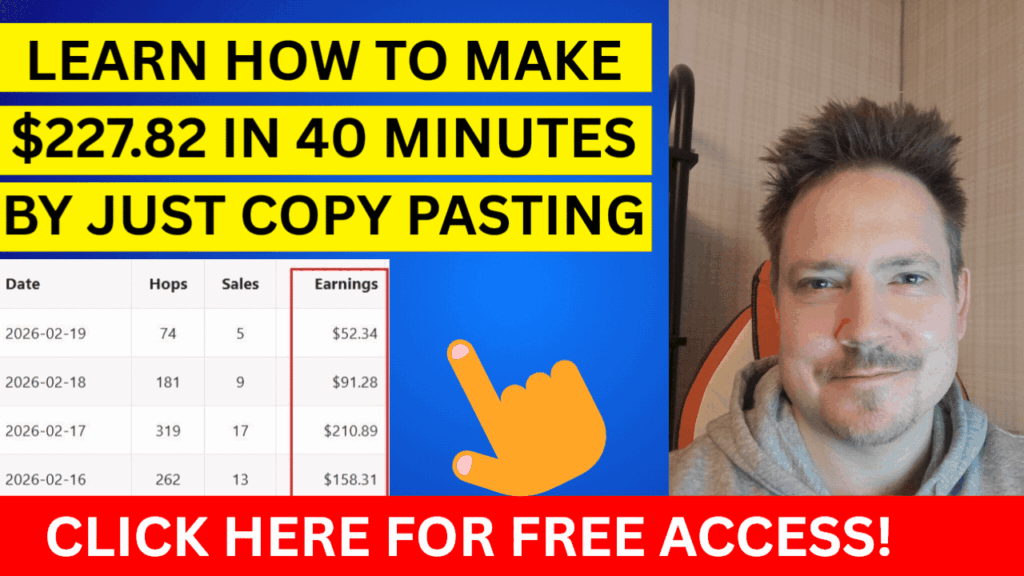
A lot of people get pulled in by screenshots, flashy dashboards, and big claims on social media. So when week three brings zero sales, they panic. By month two, they assume the whole thing doesn’t work.
Slow early results are normal. In most cases, nobody knows you yet, your content is thin, and your traffic is small. That isn’t failure. That’s the starting line.
The bigger problem is emotional. If I expect a vending machine and get a garden instead, I’ll feel tricked. But affiliate marketing is much closer to planting than vending. You put work in first, and growth shows up later.
They chase every new offer instead of learning one system well
This mistake wrecks momentum. One week it’s web hosting. Next week it’s supplements. After that, crypto, software, and a random course. Nothing gets enough time.
Focus feels boring, but it wins. When I stick with one niche, one audience problem, and one traffic source, I start seeing patterns. I learn which headlines pull clicks, which pages hold attention, and which offers fit.
Jumping around resets the clock every time. That’s why many beginners stay busy for months but never get traction. They aren’t building. They’re restarting.
Traffic problems are a huge reason affiliate marketers fail
No clicks means no sales. Bad clicks also mean no sales. That’s the part many beginners miss.
In 2026, the bar is higher. Organic search is tougher, social reach can vanish after one algorithm change, and competition is thicker in almost every money-making niche. At the same time, the channel is still huge. Recent industry reporting puts US affiliate spending around $13.2 billion this year, yet only about 10 to 20 percent of affiliates earn enough for it to be their main income. Average affiliate link conversion rates often land around 0.5 to 1 percent. So when traffic is weak, the math gets ugly fast.
A simple way to think about traffic is this:
| Traffic type | Example | Likely result |
|---|---|---|
| Random attention | Funny short video linked to tax software | Lots of views, few buyers |
| Problem-aware traffic | Blog post on fixing bookkeeping mistakes | Better clicks, some buyers |
| Buyer-ready traffic | Search for best tax software for freelancers | Fewer clicks, stronger conversions |
The takeaway is clear: intent matters more than raw numbers.
They do not build a steady traffic source they control
Relying only on TikTok, Instagram, or one viral platform is risky. Those channels can help, and I like them for reach. But I don’t want my whole business sitting on borrowed land.
That’s why owned traffic matters. A website, an email list, and a YouTube channel give you something more stable. Even if search rankings dip or social views slow down, you still have a way to reach people.
This pattern shows up in many common affiliate mistakes to avoid. The affiliates who last usually build assets they control, not only posts they hope an app will push.
They get clicks from the wrong people, so nothing converts
Traffic without intent is like filling a store with people who came for free air conditioning. Busy, yes. Buying, no.
If I promote beginner budget software, I need people who want help managing money, not people watching a joke clip or skimming random entertainment. The product, the problem, and the buyer’s stage have to match.
This is why “more traffic” isn’t always the fix. Sometimes I need fewer visitors and better alignment. A review, comparison post, tutorial, or case study often beats broad content because the reader already wants help with the exact thing I’m recommending.
A lack of trust and basic marketing skills holds people back
Affiliate marketing isn’t dropping links and hoping strangers buy. People buy when they trust the person, the message, and the offer. If that trust is missing, even good products struggle.
I think this is where many beginners get stuck. They assume success comes from the right link. But links are the last step, not the first.

They promote products without building trust first
Thin reviews fail because they feel empty. Copy-paste content fails because readers can smell it. Hard-selling every post fails because nobody likes being cornered.
Trust grows when I help first. That can mean a useful how-to post, a comparison that points out real pros and cons, or a review that says who should not buy. Honest detail beats hype every time.
I also think experience matters. I don’t have to own every product forever, but I should understand what I’m recommending. James The Marketer makes that point well in his warning about costly affiliate mistakes. If I can’t explain what the product solves, why it fits, and where it falls short, I haven’t earned the click.
They skip the basics like copy, offers, and simple funnels
Good affiliate marketing uses basic sales skills, even when the setup is simple. A weak headline gets ignored. A vague call to action gets no clicks. A messy page loses the reader before the offer appears.
Then there’s follow-up. Many people won’t buy the first time they see a recommendation. That’s why a basic funnel helps. A useful article leads to an email opt-in. The email builds trust. Then the offer makes sense.
None of this has to be fancy. One clear promise, one useful page, and one email sequence can outperform a pile of random links. When beginners skip these basics, they leave money on the table without knowing it.
Many people fail because they treat affiliate marketing like a hobby
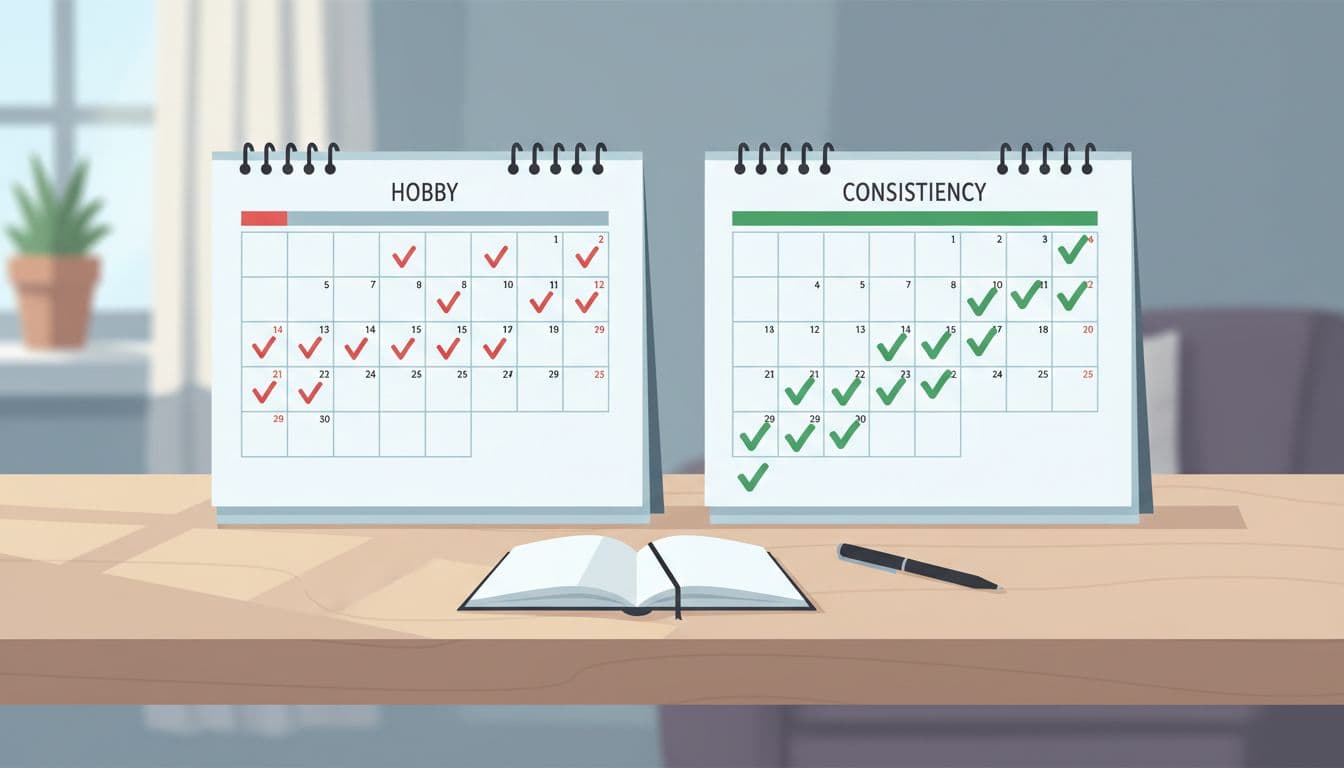
This is the part nobody wants to hear, but it’s the part that changes results. Most people don’t fail because they picked the wrong logo color or forgot some advanced trick. They fail because they work in bursts, then disappear.
Affiliate marketing likes boring habits. Publish. Improve. Check data. Repeat next week.
They stay busy with tools and courses, but avoid real action
It’s easy to hide behind research. A new theme, another course, a better keyword tool, a fresh template. Those things feel productive because they look like progress.
But action is plain. Write the post. Publish the video. Test the headline. Improve the call to action. That’s where the learning happens.
I’ve seen too many people study affiliate marketing harder than they practice it. That habit keeps them safe from failure, but it also keeps them safe from growth.
They give up before the work has time to compound
This business often starts slow. Content takes time to rank. Emails take time to grow. Trust takes time to earn. Then one day, old work starts helping new work.
That’s the compounding effect. A review from six months ago pulls clicks. An email list brings repeat traffic. A small content library starts looking like a real asset.
Most people quit right before that shift. They plant, water twice, and walk away. If I stay focused on one plan long enough, the results stop feeling random and start feeling built.
Affiliate marketing doesn’t beat people because it’s fake. It beats people because it punishes wishful thinking.
If I expect easy money, chase weak traffic, skip trust, and quit early, I’ll likely join the crowd that earns little or nothing. But if I pick one audience, build one steady traffic source, learn basic copy, and keep showing up, my odds improve fast.
Start smaller than you want, but stay with it longer than feels comfortable. That’s how this stops being a dream and starts becoming a business.