

I’ve always liked the idea of earning from a click instead of waiting on a sale. It feels faster, simpler, and more realistic when I’m still growing a site. That’s the appeal of pay per click affiliate marketing programs.
These programs let me monetize traffic when visitors click ads or sponsored units on my pages. That’s different from standard affiliate offers, where I usually need a sale, lead, or signup before I earn anything. For bloggers, niche site owners, review publishers, and media buyers, that difference matters a lot.
In this guide, I’m breaking down how these programs actually work, which options stand out in 2026, and how I choose one without wasting traffic or hurting my site.

How pay per click affiliate marketing programs really work
At the simplest level, a PPC program pays me when a real visitor clicks an ad. That sounds easy, but the setup is rarely pure CPC from top to bottom. Many networks blend click-based earnings with impression pay, action pay, or smart bidding rules behind the scenes.
So when I compare platforms, I don’t look only at the headline rate. I look at traffic rules, ad types, payment terms, and how well the ads fit my content. A finance blog with US traffic can earn very differently from a meme site with broad global traffic.
What I get paid for, clicks, impressions, or actions
CPC means cost per click. If someone clicks an ad on my site, I earn a small amount. That’s the core idea.
CPM means I get paid per thousand impressions. In that case, I can earn even if nobody clicks. CPA means I earn only when a visitor completes an action, like a signup or purchase.
Here’s where people get mixed up. A lot of so-called PPC programs are really mixed monetization platforms. That’s normal. In fact, many 2026 network comparisons, including Business of Apps’ CPC affiliate network list, show that publishers often use platforms with more than one model at once.
What affects earnings more than the headline rate
Traffic quality matters more than flashy promises. If my visitors have strong intent, click rates and ad value usually rise. If they bounce fast, earnings stay weak.
Niche matters too. Finance, insurance, legal, home services, and some health topics often bring higher-value clicks. On the other hand, broad entertainment traffic may get lots of clicks but lower payouts. If I’m still choosing a niche, this list of profitable affiliate marketing niches for 2026 shows why intent changes everything.
Location, device mix, and ad placement also shape results. US desktop traffic can earn more than mixed global mobile traffic. Native ads may feel cleaner than pop traffic. And if I break policy with invalid clicks or misleading layouts, a network can freeze earnings fast.
The biggest trap is chasing a high CPC rate while ignoring traffic quality and policy risk.
The best pay per click affiliate marketing programs to look at in 2026
No single program fits every site. Some are better for content publishers. Others suit high-volume or global traffic. A few niche networks can pay more, but they expect tighter compliance.
Strong picks for beginners and content sites
Google AdSense is still the easiest starting point for many publishers. I like it because it’s trusted, widely supported, and simple to add to a content site. It works best when I have clean articles, decent traffic, and a layout that doesn’t look spammy. The caution is approval and policy enforcement. One careless change can create problems.
Media.net is a strong fit for contextual content, especially blogs, news pages, and information sites. It uses Yahoo and Bing demand, and it often works well when my pages match clear search intent. Recent 2026 data still shows its $100 payout threshold, so I need patience if my traffic is small.
Sovrn is a nice middle ground for bloggers and review sites. I like that it supports more than one monetization style, and the low threshold can help smaller publishers get paid sooner. Still, the tradeoff is timing. Its cash-out options are friendly, but the Net 90 cycle can feel slow.
If I want a broader comparison before I apply, this 2026 PPC programs roundup is a useful cross-check.
Better fits for high-volume, global, or alternative traffic
PropellerAds works well when I need flexible formats and broad traffic acceptance. It’s often easier to test than premium content networks, and current publisher data still points to a low $5 minimum payout with some weekly payment options. That can be a big plus when I want faster feedback.
Adsterra fits a similar lane. It supports multiple models, accepts a wide range of traffic types, and keeps the entry barrier low. The $5 threshold and Net 15 schedule make it attractive for smaller publishers or aggressive testers.
In the same bucket, I’d compare Adcash and Bidvertiser if my traffic is global, mobile-heavy, or less likely to fit a stricter content network. These platforms usually appeal to publishers who want more ad formats and more flexibility.
The caution is simple. If I overdo pop, push, or intrusive units, I may get more clicks today and lose reader trust tomorrow.
Niche programs that can pay more for the right traffic
A network like Vellko Media is more interesting when my traffic is tightly matched to buyer intent. That’s where niche CPC or lead-focused offers can outperform general ad networks.
For example, insurance, finance, home services, streaming, or health traffic may produce stronger results when the offer matches the visitor’s goal. Instead of showing broad ads to everyone, I can put a targeted offer in front of a reader who already wants help.
That upside comes with stricter standards. Cleaner traffic, clear disclosures, and strong compliance matter much more here.
How I choose the right program for my site and traffic
I don’t pick a program because somebody calls it the best. I pick it based on the kind of traffic I already have, the way my site looks, and how much risk I want to take.
Match the program to my traffic, niche, and content style
A blog and a mobile push source don’t need the same network. That’s why I match the program to the format first.
If I run helpful articles, tutorials, product roundups, or news content, AdSense or Media.net usually makes more sense. Their ads feel more natural on content-heavy pages. Sovrn can also work nicely on review sites where users browse and compare.
If my traffic is broader, global, or less tied to long-form content, PropellerAds or Adsterra may be a better fit. They give me more formats and a looser entry path. I still compare user experience carefully, because more options can also create more clutter.
I also like checking a second opinion before I commit. A publisher-focused guide like Feral Finance’s PPC affiliate programs overview helps me sanity-check which networks suit small sites versus large ones.
Check payout rules, ad quality, and account risk before I join
Before I apply, I read the boring stuff. That’s where the real answer lives.
I check minimum payout, payment methods, payment schedule, traffic restrictions, approval rules, and invalid-click policies. If a network pays great rates but bans first and answers later, that risk is part of the cost.
Ad quality matters too. Cheap-looking ads can drag down my brand fast. One account issue can wipe out a month of earnings, so compliance matters as much as revenue.
Simple ways I can earn more without hurting my site
Once I join a network, my next job is simple: improve performance without turning the site into a mess.
Place ads where they help, not where they annoy
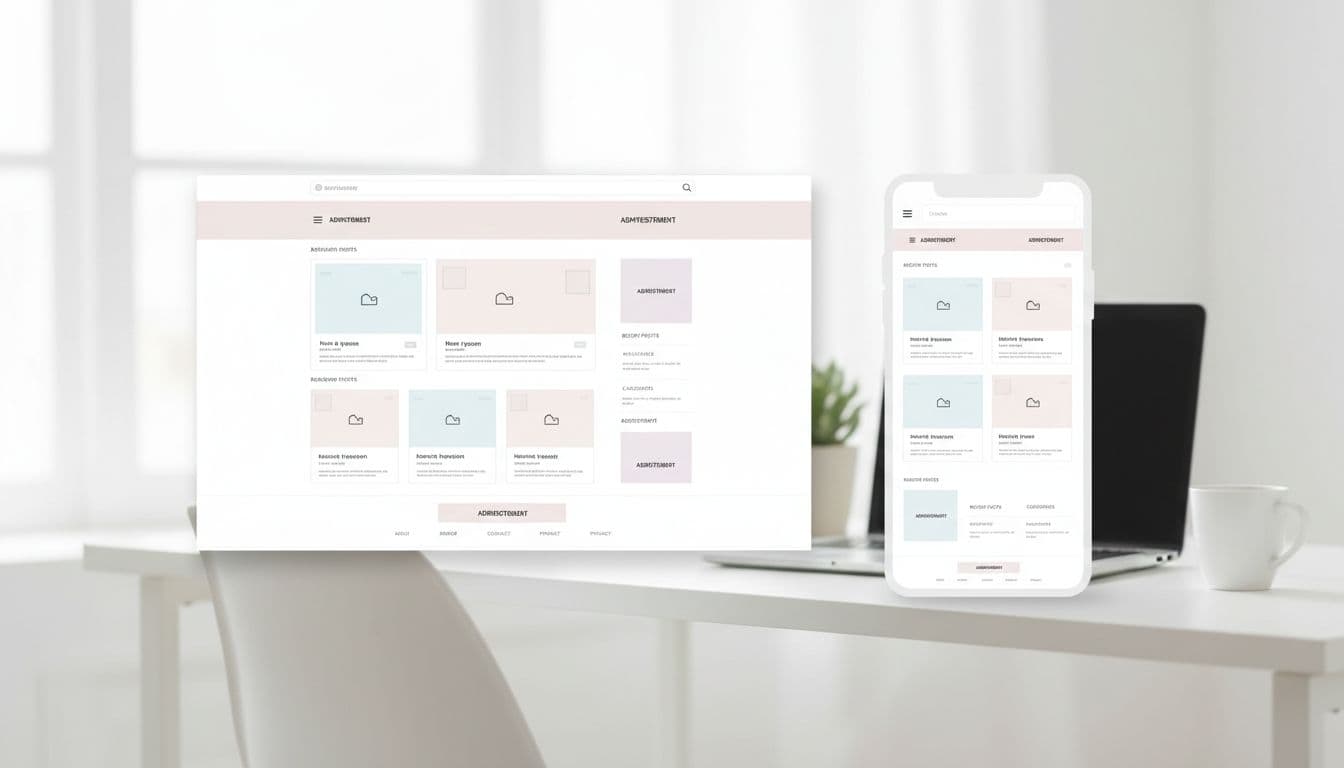
Better visibility usually lifts clicks, but clutter kills trust. I place ads where readers naturally pause, near the top of content, inside long articles, or in a clean sidebar. Then I check mobile first.
Page speed matters just as much. Slow pages hurt rankings, clicks, and reader patience at the same time. If ads shift the layout or block content, I usually lose more than I gain.
Grow better traffic and track what actually pays
The best PPC income comes from useful pages with clear intent. That means reviews, comparisons, tutorials, and topic clusters that attract people who are already looking for answers.
I track page RPM, click-through rate, bounce rate, and time on page. Then I test one change at a time. A cleaner layout, a better article topic, or stronger internal links can beat random ad stuffing every time.
If I want another outside benchmark while testing, this AffiliateX PPC programs guide is a handy way to compare networks and common fit cases.
Conclusion
PPC sounds exciting because it is. I can earn from traffic before I’m ready to rely on big-ticket affiliate sales. Still, the best pay per click affiliate marketing programs depend on my niche, traffic quality, and tolerance for strict rules.
If I’m starting fresh, I’d begin with one trusted platform, learn its policies, and test performance on a few pages first. After that, I can add a second network only when the data says it makes sense. In short, smart testing beats chasing shiny rates every time.